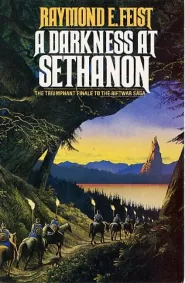
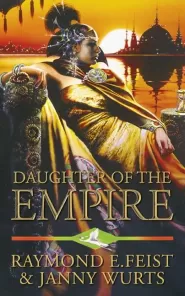
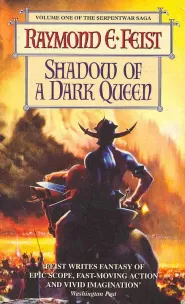
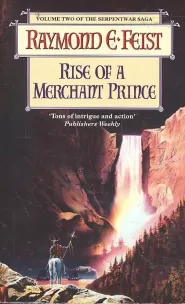
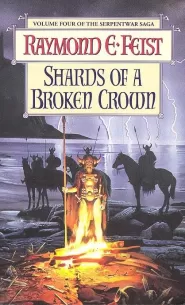
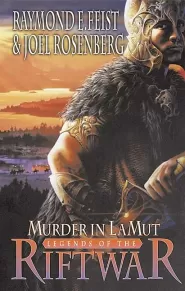
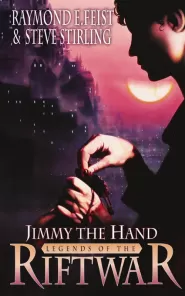
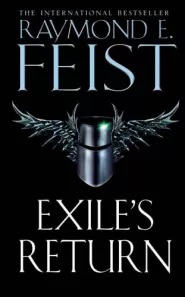
In a genre where worlds are often born from maps and ancient bloodlines, Raymond E. Feist did something different—he began with a game. What started as a Dungeons & Dragons-style campaign with friends at the University of California, San Diego eventually evolved into Midkemia, a richly imagined realm that would become the backdrop for one of epic fantasy’s most enduring sagas. But it wasn’t just the magic, battles, or sprawling kingdoms that drew readers in—it was Feist’s uncanny ability to make the fate of the world hinge on the journey of a kitchen boy named Pug.
Published in 1982, Magician wasn’t just Feist’s debut—it was the foundation of an entire literary universe that would grow into the Riftwar Cycle, spanning over 30 novels and several generations of characters. His work blends the grandeur of classic high fantasy with the pacing and clarity of a born storyteller. While his contemporaries often leaned into lyrical abstraction or moral ambiguity, Feist kept his stories grounded in emotion and character. Readers returned not just for the epic wars and dimensional rifts, but for the friendships, betrayals, and choices that shaped them.
Born in Los Angeles in 1945 and raised in Southern California, Feist’s path to writing wasn’t paved with early literary ambitions. He studied communication arts and took an interest in fantasy almost by accident, sparked more by his participation in world-building games than by a formal desire to become a novelist. That informal start gave his storytelling a natural, almost conversational quality—inviting rather than lofty, immersive without requiring a glossary.
The success of Magician and its sequels brought Feist a loyal global readership, especially in the UK and Europe, where his books often topped fantasy charts. But despite his commercial success, he’s remained refreshingly approachable, often crediting his readers and fellow gamers for shaping the world of Midkemia. “I didn’t invent the world alone,” he’s admitted in interviews. “It was something that came alive around a table with friends.”
Feist’s work continues to influence fantasy writers and game designers alike, proving that you don’t need dragons on every page to create magic—just a world worth caring about and characters who grow with it. In a literary landscape constantly seeking the next big saga, his Riftwar Cycle still feels timeless—because it never lost sight of the human stories at its core.
Whether you’re a newcomer to fantasy or someone who grew up with Pug, Tomas, and Arutha, diving into Feist’s universe is less like opening a book and more like returning to an old, familiar world—one where the stakes are high, the friendships run deep, and the magic still feels real.