
Author
Edward W. Robertson
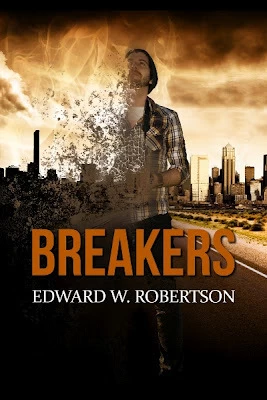
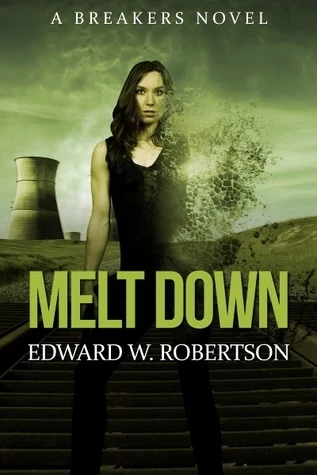
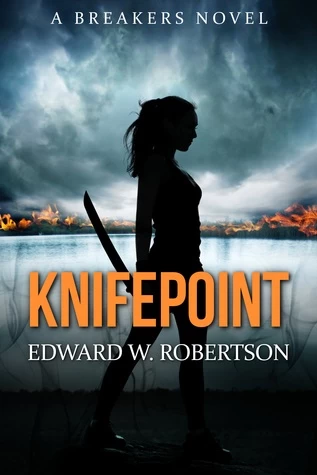
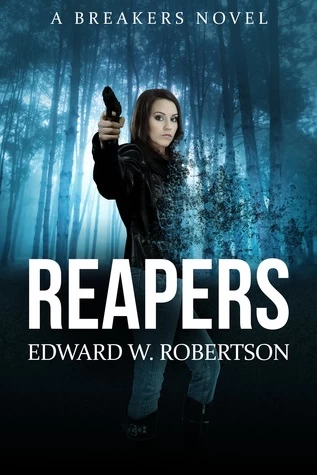
When Edward W. Robertson writes, he doesn't just build worlds—he watches them burn and rise again. From crumbling civilizations in his Breakers series to the epic, war-torn landscapes of The Cycle of Arawn and The Cycle of Galand, his work pulses with tension, grit, and the kind of moral complexity…
Read more
When Edward W. Robertson writes, he doesn't just build worlds—he watches them burn and rise again. From crumbling civilizations in his Breakers series to the epic, war-torn landscapes of The Cycle of Arawn and The Cycle of Galand, his work pulses with tension, grit, and the kind of moral complexity that keeps readers up long past midnight.
Robertson first emerged on the fantasy and science fiction scene with a quiet but deliberate presence. That presence soon erupted into a million books sold, a USA Today bestseller title, and accolades including Audie and Voice Arts Award nominations. But behind the numbers is a writer who has never shied away from asking the hard questions: What happens when the world ends? What does power cost? And can redemption survive in the aftermath?
Raised in the wide-skied deserts of the American West, Robertson’s sense of scale—of distance, survival, and desolation—runs deep through his stories. His academic foundation in fiction from NYU gave him the tools to hone that voice, and after stints in New York, Idaho, L.A., and Hawaii, he now writes full time, balancing apocalyptic stakes with human vulnerability.
Readers who follow his fantasy sagas know the weight his characters carry: heroes shaped by failure, villains born of pain, and choices that ripple far beyond the page. The Cycle of Galand, which concluded with its tenth book in 2024, built on the legacy of The Cycle of Arawn with even deeper emotional resonance and sharper political intrigue. Meanwhile, his latest series, The Cycle of the Scour, continues to prove that high fantasy doesn't have to be predictable to be powerful.
Whether chronicling the fall of modern civilization or the rise of reluctant mages, Robertson doesn’t write escapism—he writes consequence. And in every shattered city or bloodstained battlefield, he leaves just enough light to believe the story isn’t over yet.
Books by this author
27 books in this view
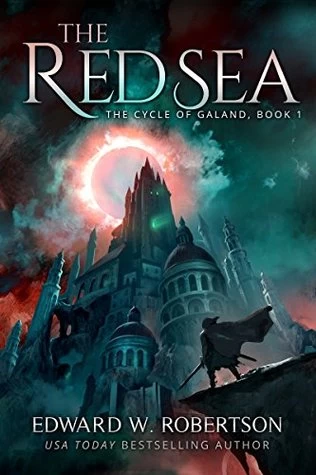
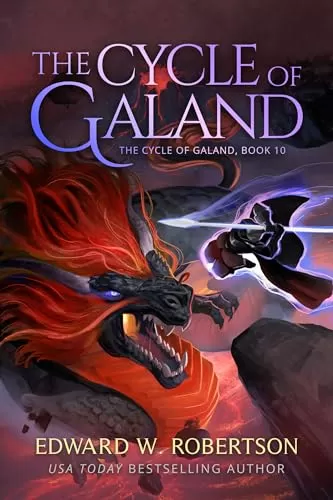
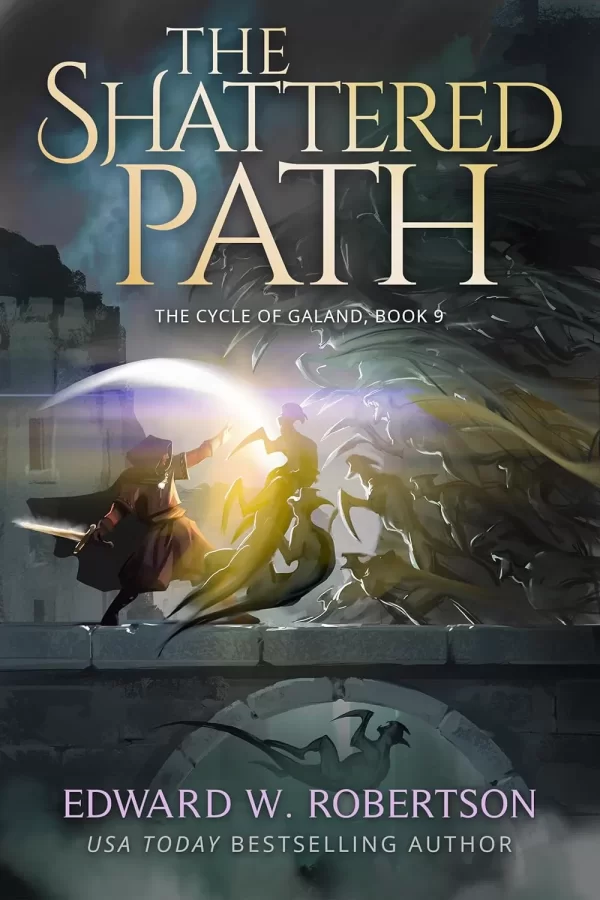
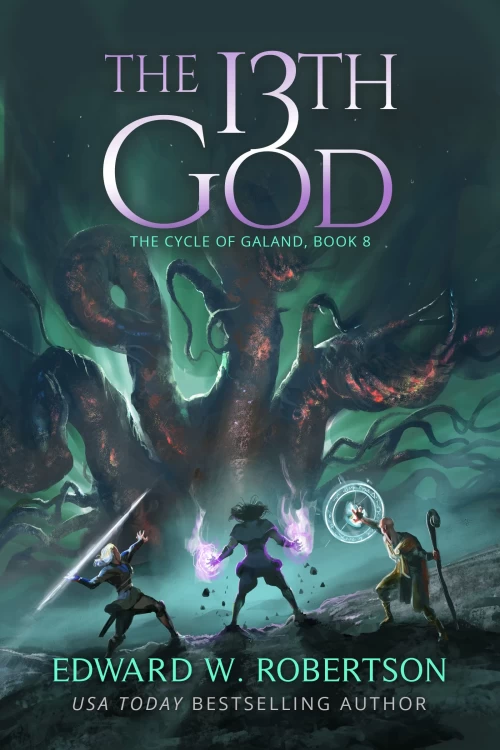
The Cycle of Galand 2024 Fantasy · Epic Fantasy · High Fantasy The Cycle of Galand #10 The Shattered Path 2024 Fantasy · Epic Fantasy · High Fantasy The Cycle of Galand #9 The 13th God 2022 Fantasy · Epic Fantasy · High Fantasy The Cycle of Galand #8 The Twelve Plagues 2021 Fantasy · Epic Fantasy · High Fantasy The Cycle of Galand #7 What Lies Beyond 2019 Fantasy · Epic Fantasy · High Fantasy The Cycle of Galand #6 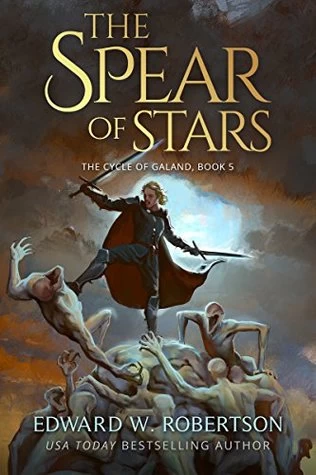 The Spear of Stars 2018 Fantasy · Epic Fantasy · High Fantasy The Cycle of Galand #5
 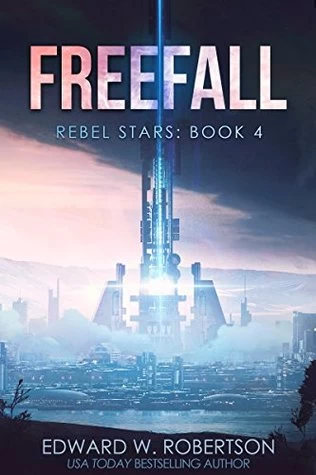 Freefall 2017 Science Fiction · Space Opera Rebel Stars #4
 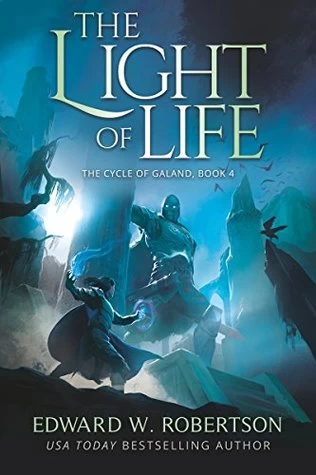 The Light of Life 2017 Fantasy · Epic Fantasy · High Fantasy The Cycle of Galand #4
 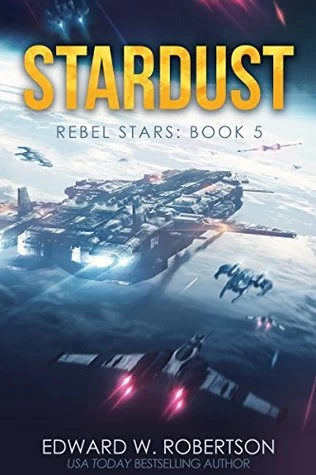 Stardust 2017 Science Fiction · Space Opera Rebel Stars #5
 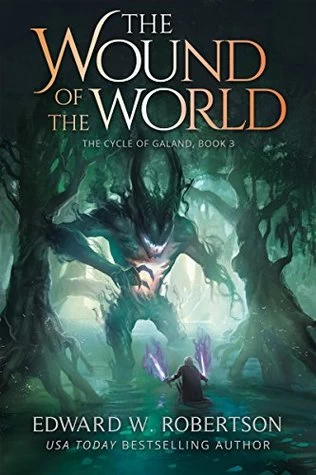 The Wound of the World 2016 Fantasy · Epic Fantasy · High Fantasy The Cycle of Galand #3
 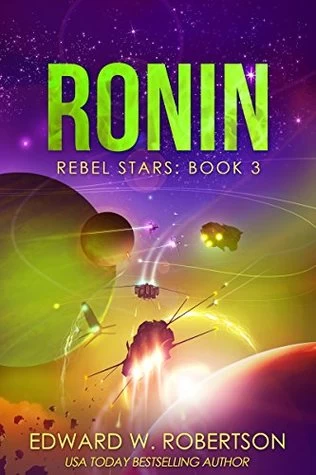 Ronin 2016 Science Fiction · Space Opera Rebel Stars #3
 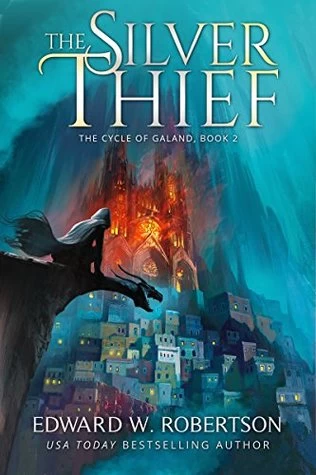 The Silver Thief 2015 Fantasy · Epic Fantasy · High Fantasy The Cycle of Galand #2
THE AUTHOR’S WORLDS