


Author
Peter Swanson
It’s not every day a crime writer dares to peel back the tidy edges of the mystery genre, but Peter Swanson has made a career of doing just that—inviting readers into stories where the comfort of predictability is always just one twist away from unraveling. Known for psychological thrillers that re…
Read more
It’s not every day a crime writer dares to peel back the tidy edges of the mystery genre, but Peter Swanson has made a career of doing just that—inviting readers into stories where the comfort of predictability is always just one twist away from unraveling. Known for psychological thrillers that relish in the sinister potential of the everyday, Swanson doesn't just craft plots—he toys with expectation, layering deceit, obsession, and dread into tales that feel disarmingly plausible.
Before he was unsettling readers with novels like The Kind Worth Killing and Eight Perfect Murders, Swanson was a Massachusetts native who found his footing in poetry and short fiction. That early affinity for rhythm and brevity still lingers in his prose—tight, spare, and loaded with tension. His stories are often set in deceptively quiet New England settings, where suburban normalcy cracks to reveal something far darker underneath.
What sets Swanson apart in the crowded world of psychological suspense isn’t just his knack for plot twists—though readers know better than to trust anything at face value in his books. It’s his fascination with the psychology of murder, and the slippery moral territory that lies between justice and revenge. In The Kind Worth Killing, he invites readers into the minds of would-be killers and dares them to empathize. In Before She Knew Him, he examines obsession and complicity through an unsettlingly intimate lens.
A lifelong admirer of Alfred Hitchcock and Patricia Highsmith, Swanson brings a cinematic elegance to his storytelling. His thrillers are taut without being breathless, clever without showboating, and always driven by deeply flawed, often unreliable characters. That might be why his work has found fans around the globe—and why Eight Perfect Murders was chosen as a New York Times bestseller and earned widespread critical praise for its metafictional take on classic crime fiction.
Swanson’s writing journey is marked not by a desire to outsmart the reader, but by an interest in how we read stories, how we trust narrators, and how easily truth can be buried beneath well-constructed lies. It’s that subversion—not just of the whodunit, but of why we care in the first place—that keeps readers hooked, and perhaps, a little uneasy long after they’ve turned the final page.
Books by this author
13 books in this view
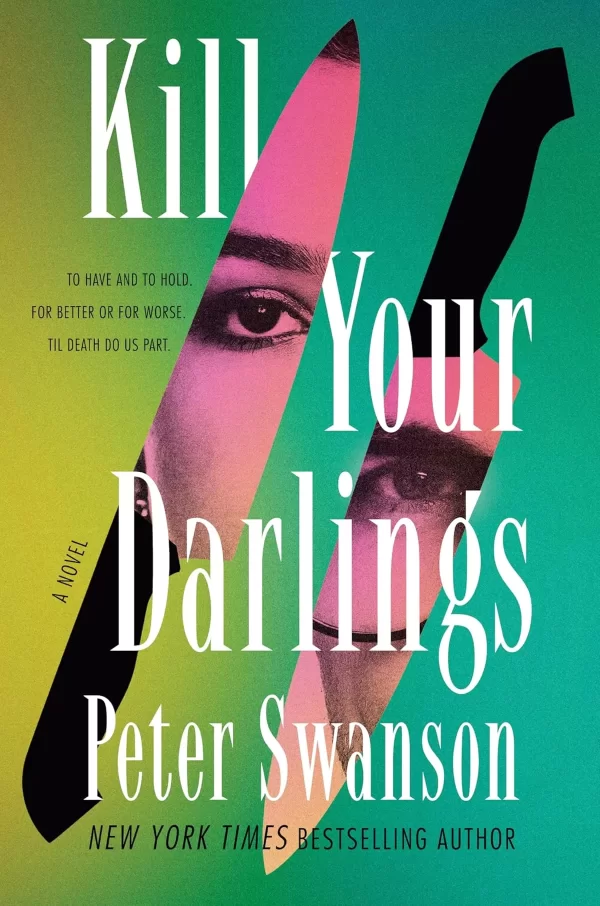
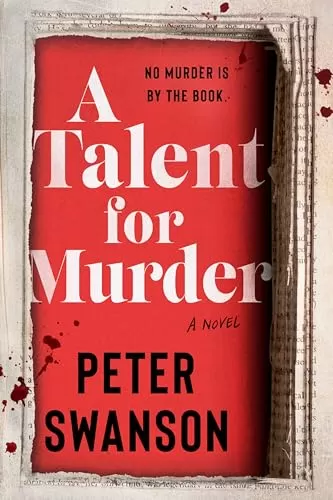
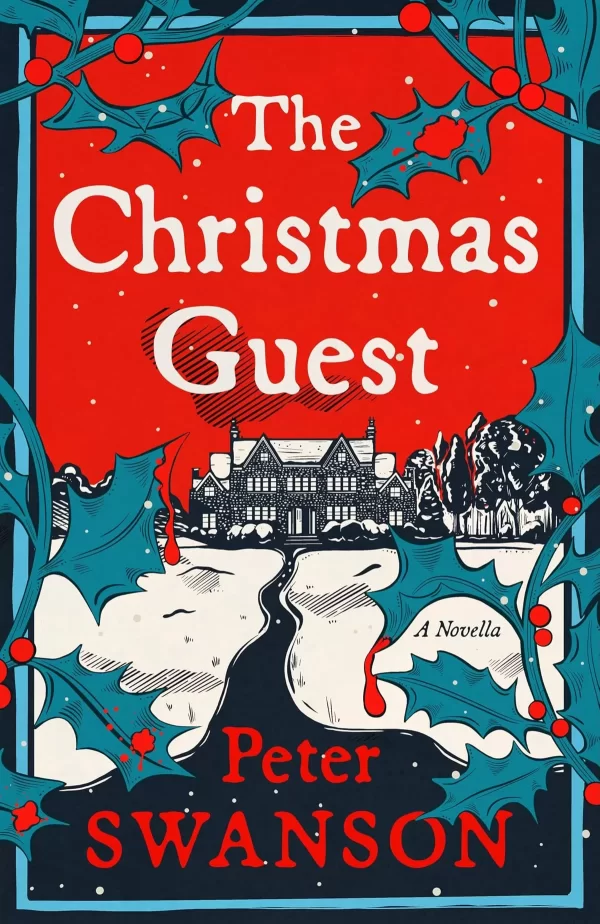
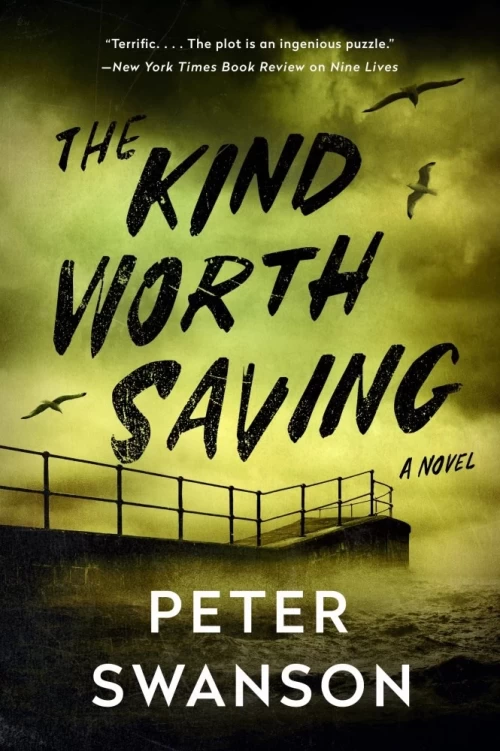
Henry Kimball Book 4 2027 ★ 9.0/10 4 anticipation ratings Crime Fiction · Psychological Thriller · Suspense Thriller · Mystery · Thriller Henry Kimball #4 Kill Your Darlings 2025 Crime Fiction · Psychological Thriller · Suspense Thriller · Mystery · Thriller A Talent for Murder 2024 Crime Fiction · Psychological Thriller · Suspense Thriller · Mystery · Thriller Henry Kimball #3 The Christmas Guest 2023 Horror · Gothic Horror · Psychological Thriller · Christmas Fiction · Mystery · Thriller The Kind Worth Saving 2023 Crime Fiction · Psychological Thriller · Suspense Thriller · Mystery · Thriller Henry Kimball #2 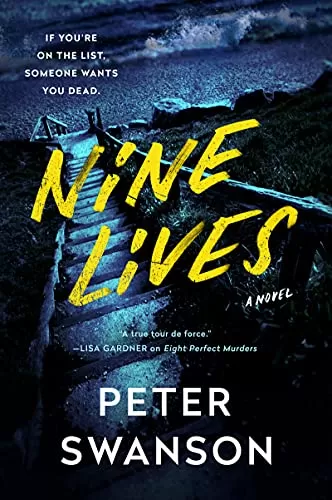 Nine Lives 2022 Crime Fiction · Psychological Thriller · Suspense Thriller · Mystery · Thriller
 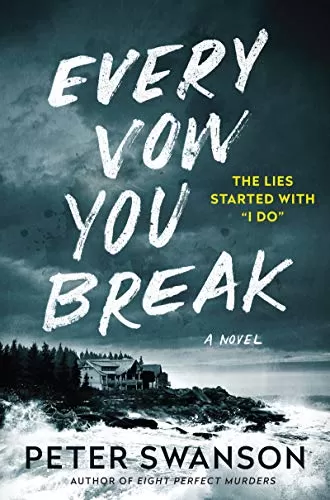 Every Vow You Break 2021 Crime Fiction · Psychological Thriller · Suspense Thriller · Mystery · Thriller
 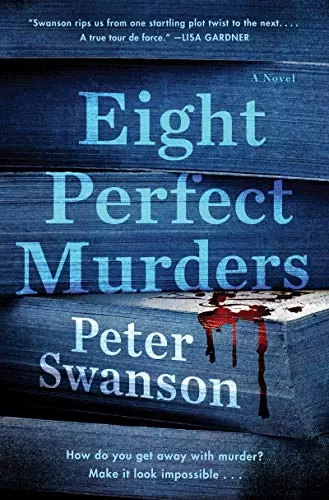 Eight Perfect Murders 2020 Crime Fiction · Psychological Thriller · Suspense Thriller · Mystery · Thriller
 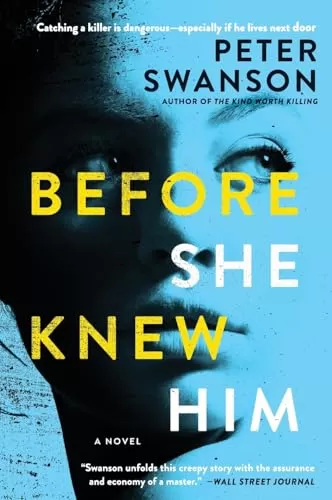 Before She Knew Him 2019 Crime Fiction · Psychological Thriller · Suspense Thriller · Mystery · Thriller
 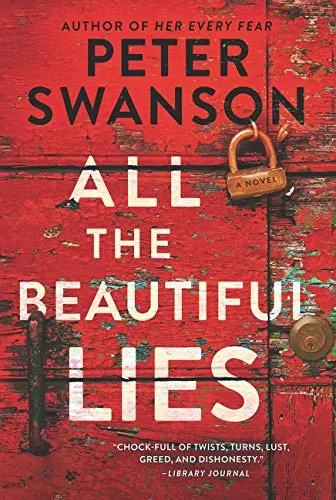 All the Beautiful Lies 2018 Crime Fiction · Psychological Thriller · Suspense Thriller · Mystery · Thriller
 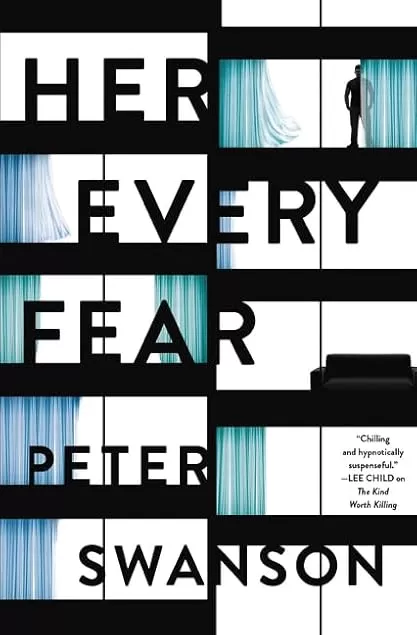 Her Every Fear 2017 Crime Fiction · Psychological Thriller · Suspense Thriller · Mystery · Thriller
 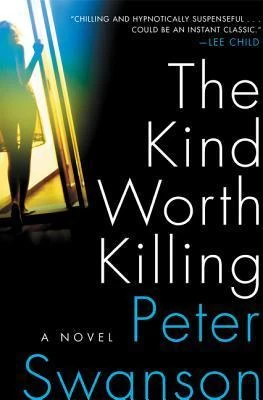 The Kind Worth Killing 2015 Crime Fiction · Psychological Thriller · Suspense Thriller · Mystery · Thriller Henry Kimball #1
THE AUTHOR’S WORLDS