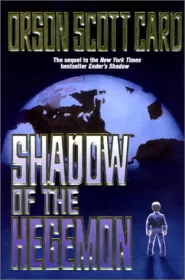
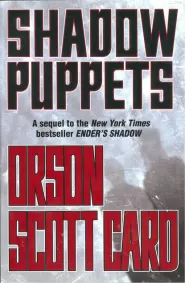
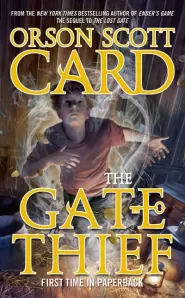
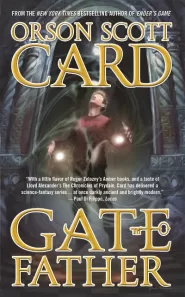
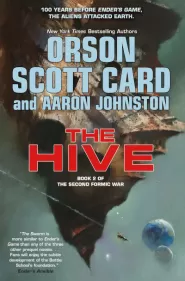
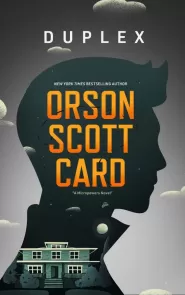
Before Ender’s Game became required reading in classrooms and a touchstone for science fiction fans worldwide, it was just a short story—one that Orson Scott Card wrote while trying to understand how humanity might survive its own genius. That idea, born of curiosity and a deep interest in moral complexity, would eventually grow into a sprawling series exploring war, empathy, leadership, and the loneliness of brilliance.
Born in Richland, Washington in 1951 and raised mostly in Utah and California, Card grew up in a family where storytelling was a living thing—spoken, passed down, constantly evolving. Though he began his career writing plays and studying literature, he found his true voice in speculative fiction. And when he wrote Ender’s Game—and later Speaker for the Dead—he did something science fiction rarely dared at the time: he treated the genre as a tool for exploring the human soul.
Card’s stories often revolve around young protagonists placed in impossible moral situations—characters like Ender Wiggin, whose tactical genius hides a tortured conscience. Rather than romanticizing heroism, Card leans into the consequences of power, especially when it’s given to children. His work blends emotional depth with high-stakes storytelling, and he’s known for his skill in portraying complex interpersonal dynamics, particularly within families and communities.
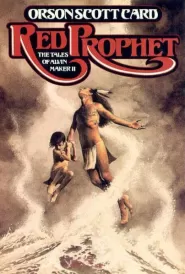
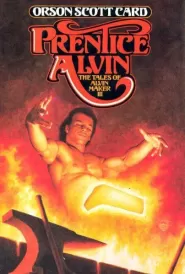
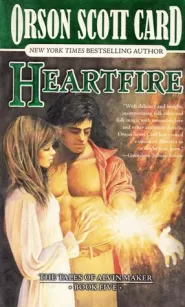
He is one of the few authors to win both the Hugo and Nebula Awards two years in a row—first for Ender’s Game and then for Speaker for the Dead—an achievement that reflects both critical acclaim and cultural resonance. But even beyond the Enderverse, Card has ventured into historical fiction, fantasy (The Tales of Alvin Maker), and even religious commentary, always writing with a voice that challenges, provokes, and invites reflection.
Card’s influence in science fiction is undeniable, but his writing often resists the genre’s traditional boundaries. His characters are rarely just heroes or villains—they're people shaped by trauma, faith, and moral ambiguity. That willingness to dig beneath the surface has drawn both admiration and controversy, making his career one of the most talked-about in modern speculative fiction.
In one interview, Card remarked, “Every person is the center of their own story.” It's a philosophy that underpins much of his work—whether he's writing about a child commander in deep space or a young visionary reshaping early America. For readers willing to grapple with big questions, Card’s books don’t offer easy answers—just the kind that stay with you.