

Author
Tracy Hickman
In the realm of epic fantasy, where dragons soar and destinies hang by a thread, Tracy Hickman has long stood as both cartographer and conjurer—drawing maps of worlds no one knew they needed and breathing life into characters readers can’t forget. Best known as the co-creator of the Dragonlance sag…
Read more
In the realm of epic fantasy, where dragons soar and destinies hang by a thread, Tracy Hickman has long stood as both cartographer and conjurer—drawing maps of worlds no one knew they needed and breathing life into characters readers can’t forget. Best known as the co-creator of the Dragonlance saga alongside Margaret Weis, Hickman didn’t just help define a genre—he gave it a soul.
Born in Salt Lake City, Utah in 1955, Hickman was steeped in stories from a young age—not only the fantasy tales he loved, but the oral traditions of faith, family, and frontier that surrounded him. Before becoming a full-time writer, he worked jobs that ranged from theater tech to glass sales, each adding something unexpected to his narrative lens. But it was a Dungeons & Dragons campaign, designed for fun and shared among friends, that would alter the course of fantasy literature forever.
That homegrown campaign eventually evolved into Dragonlance, a groundbreaking fusion of tabletop storytelling and literary narrative. With its tragic anti-heroes, moral ambiguity, and sweeping history, the series wasn’t just entertainment—it invited readers to wrestle with questions of power, faith, and the price of destiny. Hickman's narrative instincts helped anchor the series in emotional depth, while his worldbuilding gave it a sense of timeless myth.
But his imagination was never confined to Krynn. From the intricate cosmology of The Death Gate Cycle to the theological undertones of The Immortals and the steampunk-inspired Dragonships of Vindras, Hickman has shown a rare ability to traverse the spectrum of speculative fiction. His stories often carry the weight of spiritual conflict, the burden of prophecy, and a longing for redemption—all layered beneath the surface of swordfights and spellcasting.
Hickman’s influence extends beyond novels. He’s contributed to game design, co-authored roleplaying modules, and even created his own storytelling-driven board game experiences. For him, narrative isn't just about plot—it's about participation. “We’re all stories in the end,” he once said in an interview, reflecting his belief that storytelling is a communal, living force.
Even after decades in the field, Hickman continues to evolve—collaborating on new Dragonlance novels, exploring digital storytelling formats, and connecting with fans who grew up on his words. He remains a cornerstone of fantasy not because he clings to the old ways, but because he understands that magic, at its core, is about transformation.
Whether scripting the fall of gods or the rise of reluctant heroes, Tracy Hickman writes not just with ink, but with conviction. And in a genre shaped by endless worlds, he remains one of its most enduring architects.
Books by this author
67 books in this view
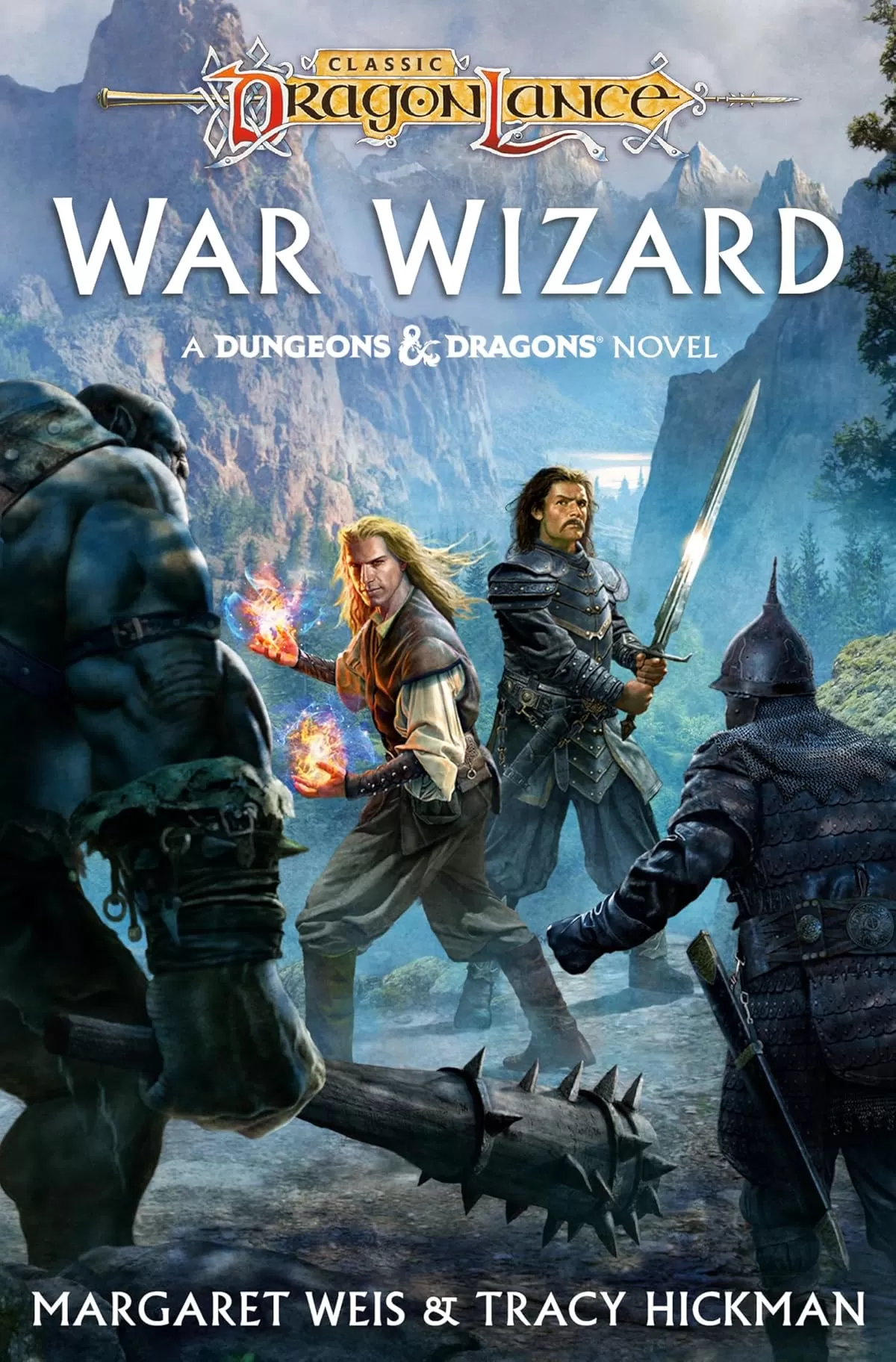
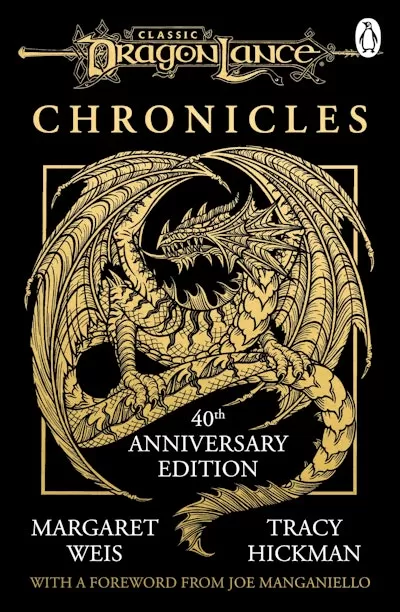
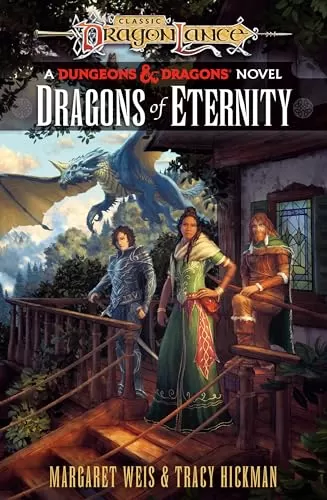
War Wizard Book 3 2027 ★ 8.0/10 1 anticipation rating Fantasy · Epic Fantasy · Dragonlance Dragonlance: War Wizard #3 War Wizard Book 2 2027 ★ 8.0/10 1 anticipation rating Fantasy · Epic Fantasy · Dragonlance Dragonlance: War Wizard #2 War Wizard 2026 ★ 8.0/10 1 anticipation rating Fantasy · Epic Fantasy · Dragonlance Dragonlance: War Wizard #1 Dragonlance Chronicles 2025 ★ 8.0/10 1 anticipation rating Fantasy Dragonlance Chronicles Dragons of Eternity 2024 ★ 9.6/10 5 anticipation ratings Fantasy · Dragonlance · Dungeons and Dragons Dragonlance: Destinies #3 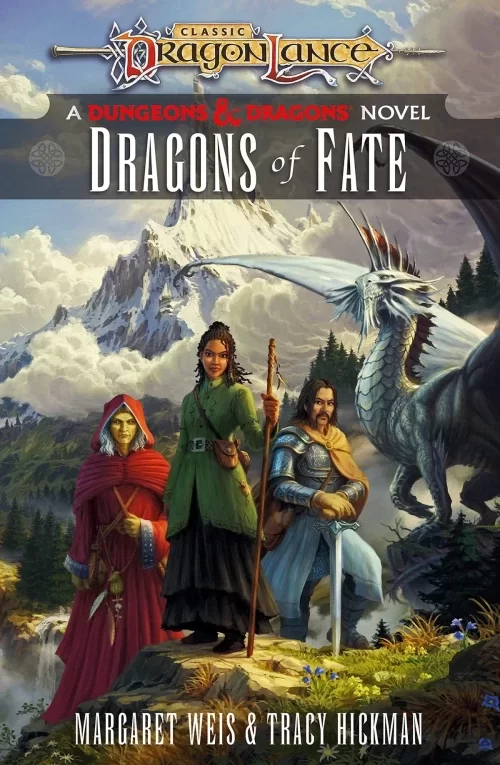 Dragons of Fate 2023 ★ 9.3/10 3 anticipation ratings Fantasy · Dragonlance · Dungeons and Dragons Dragonlance: Destinies #2
 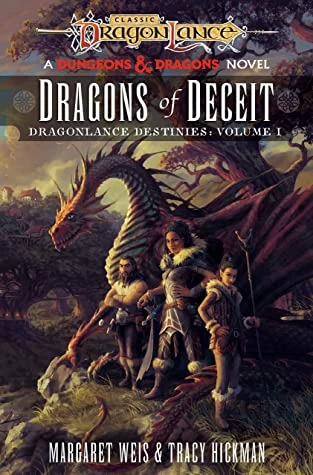 Dragons of Deceit 2022 ★ 7.5/10 2 ratings Fantasy · Dragonlance · Dungeons and Dragons Dragonlance: Destinies #1
 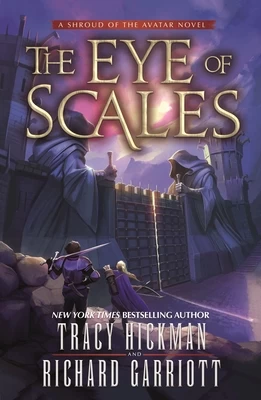 The Eye of Scales: A Shroud of the Avatar Novel 2022 ★ 9.0/10 1 anticipation rating Fantasy Blade of the Avatar #2
 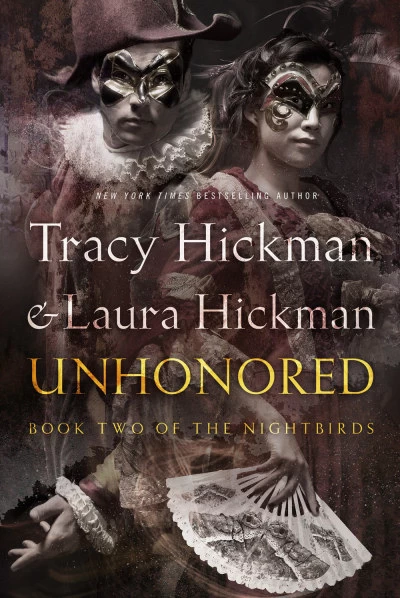 Unhonored 2016 Fantasy The Nightbirds #2
 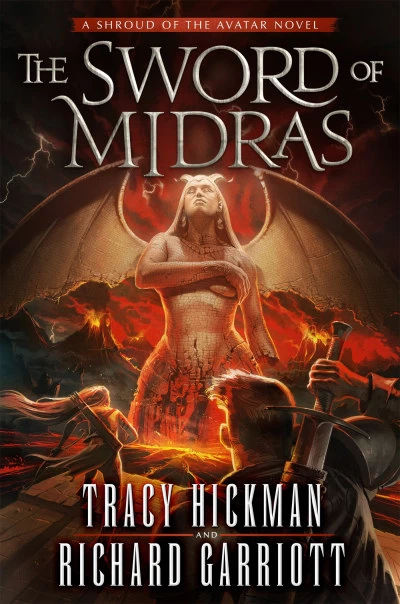 The Sword of Midras: A Shroud of the Avatar Novel 2016 Fantasy Blade of the Avatar #1
 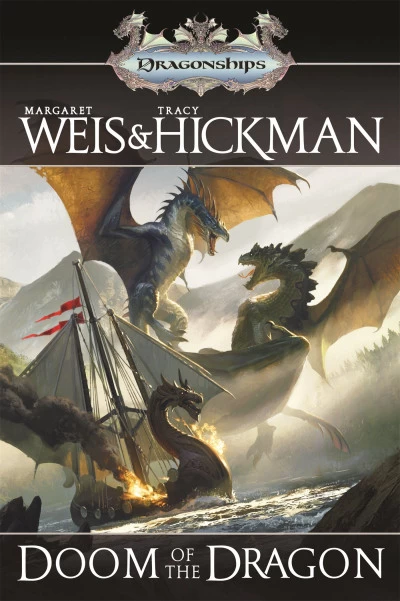 Doom of the Dragon 2016 Fantasy · Epic Fantasy · High Fantasy Dragonships of Vindras #4
 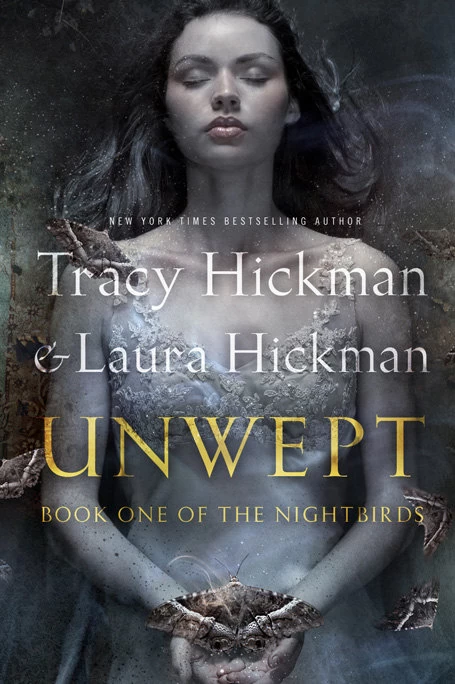 Unwept 2014 Fantasy The Nightbirds #1
THE AUTHOR’S WORLDS
Book series
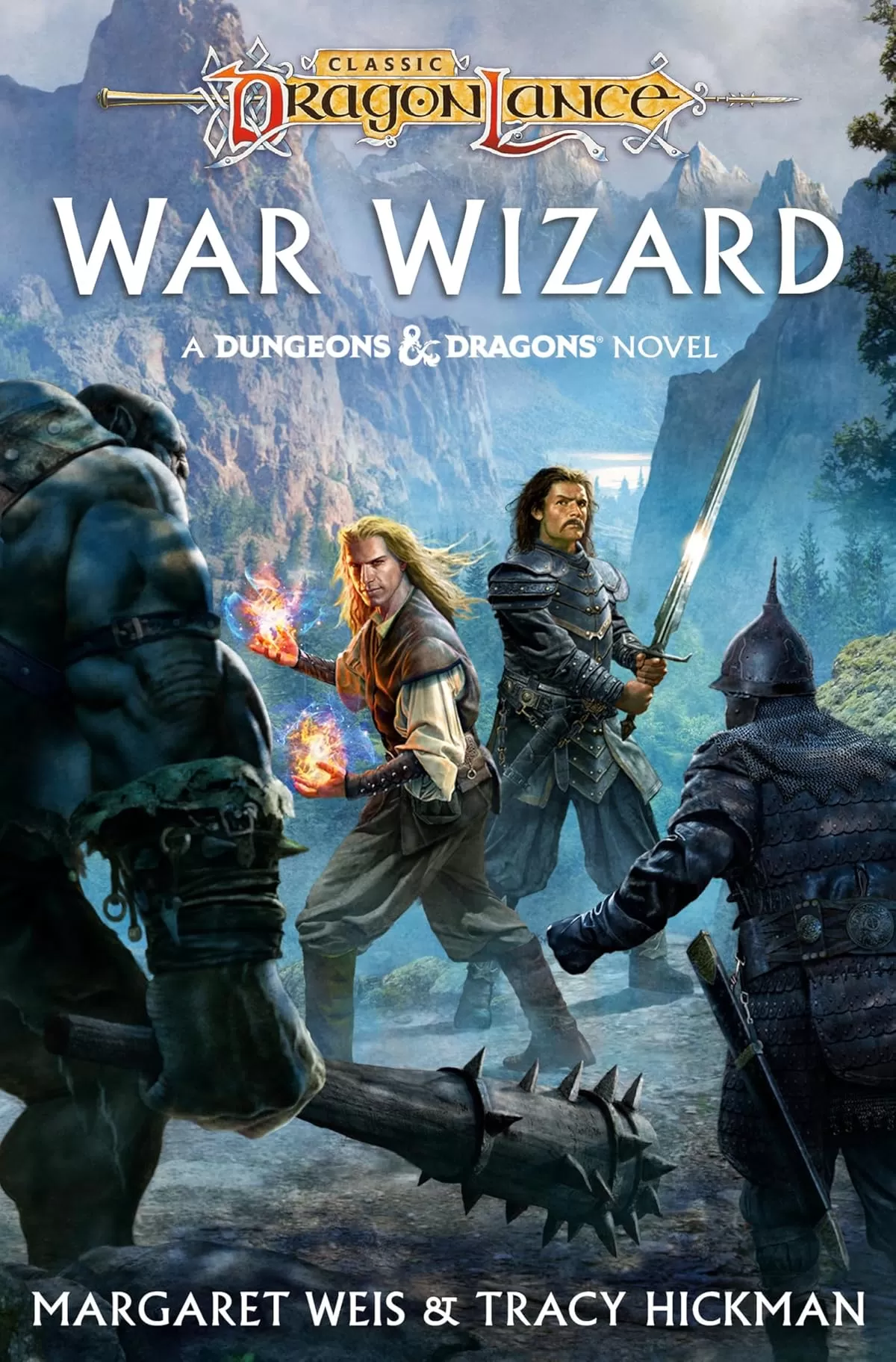
 Dragonlance: War Wizard3 books in this catalog2026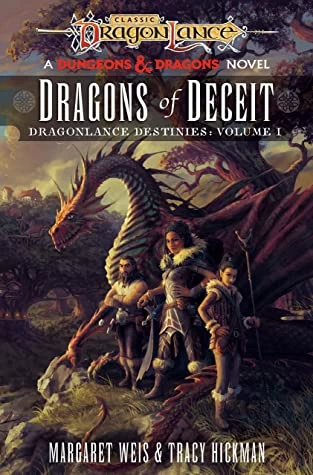
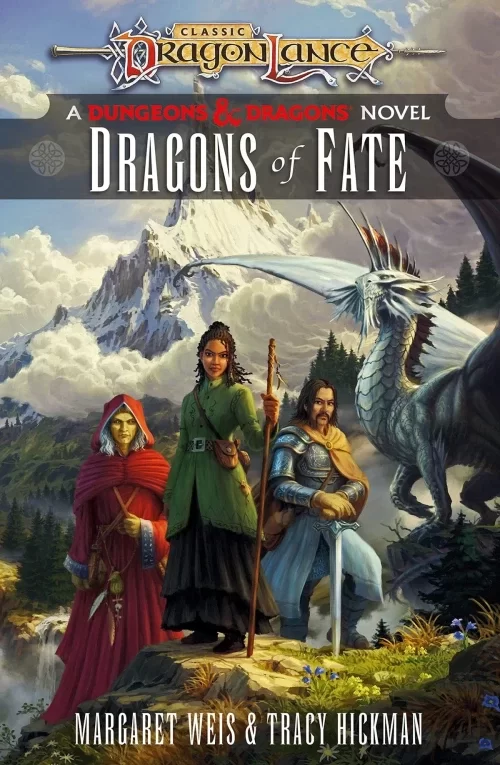
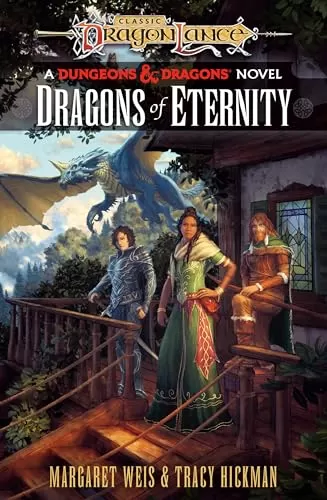 Dragonlance: Destinies3 books in this catalog2022–2024✓ Completed series
  Blade of the Avatar3 books in this catalog2016–2022 The Nightbirds2 books in this catalog2014–2016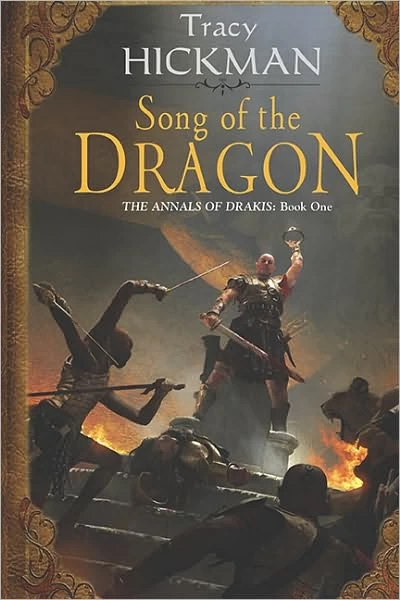
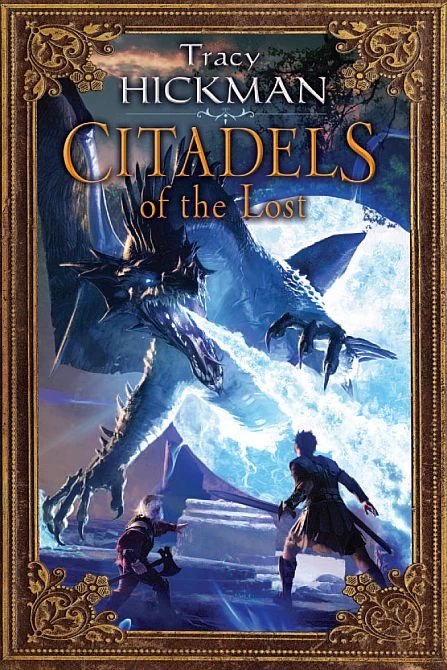
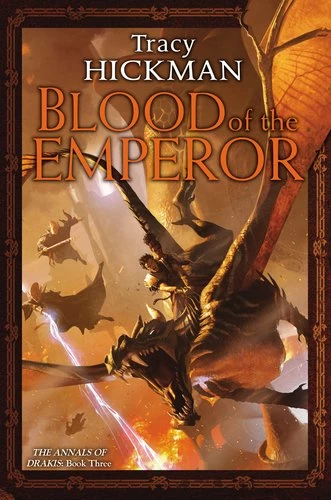 The Annals of Drakis3 books in this catalog2010–2012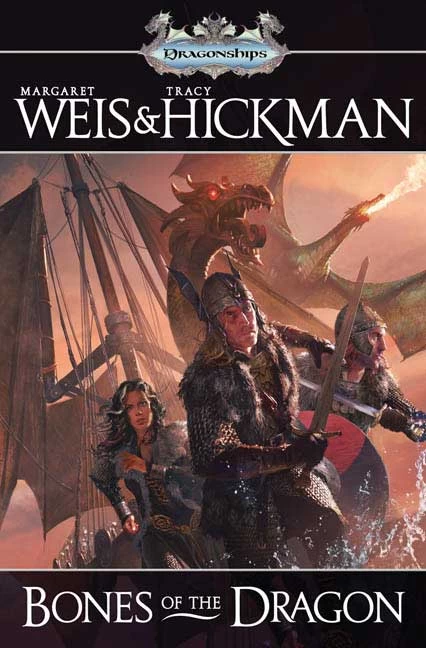
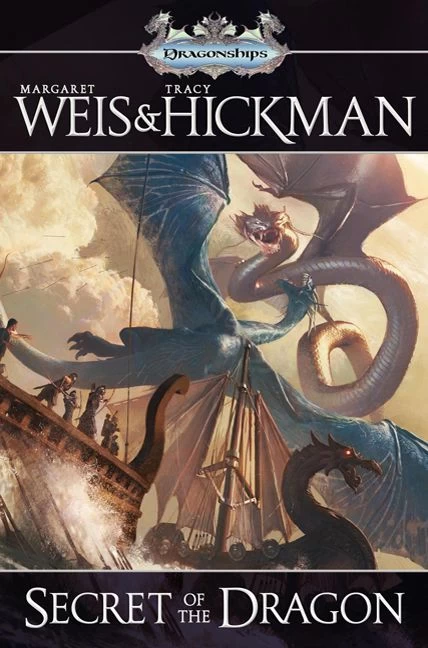
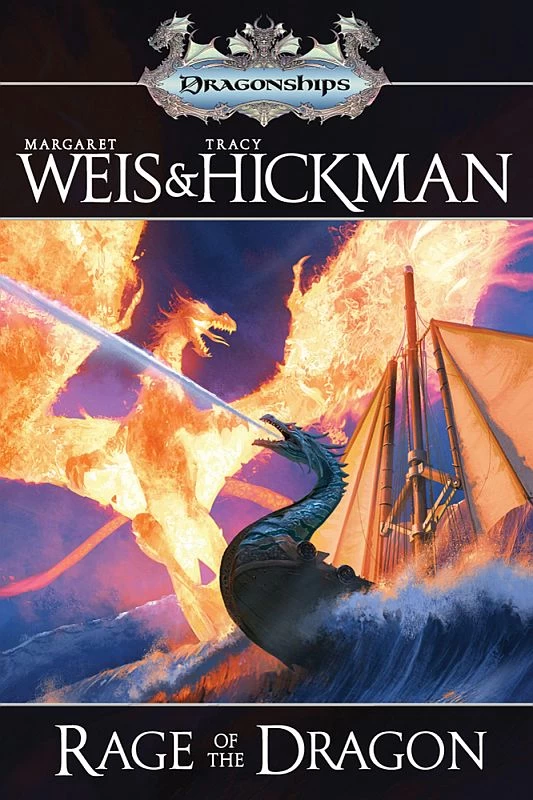
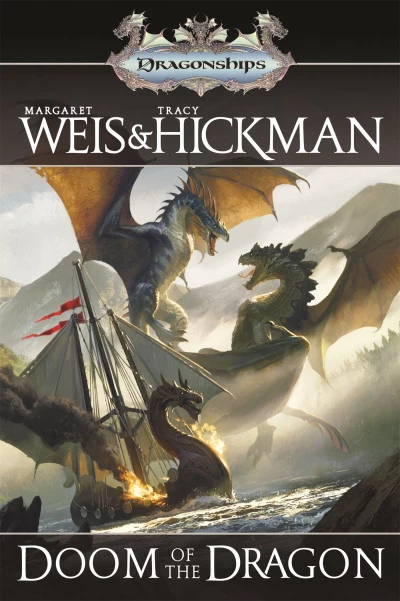 Dragonships of Vindras4 books in this catalog2009–2016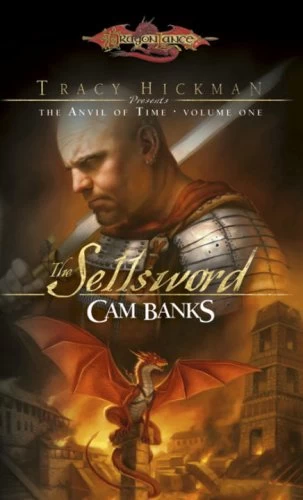
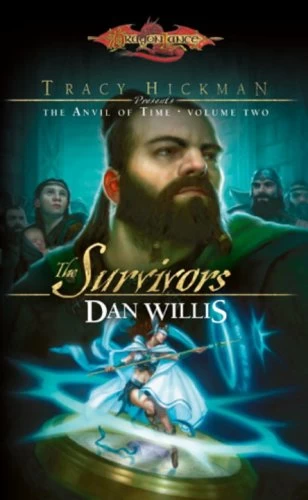
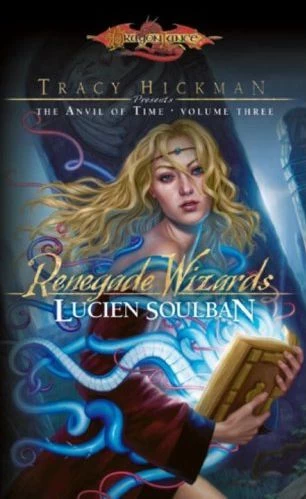
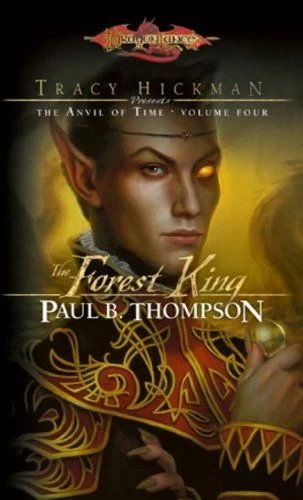 Dragonlance: Tracy Hickman Presents the Anvil of Time4 books in this catalog2008–2009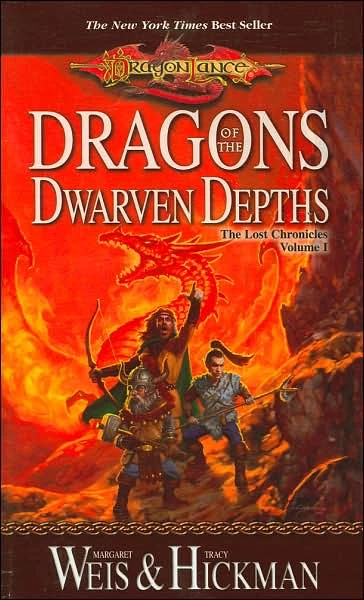
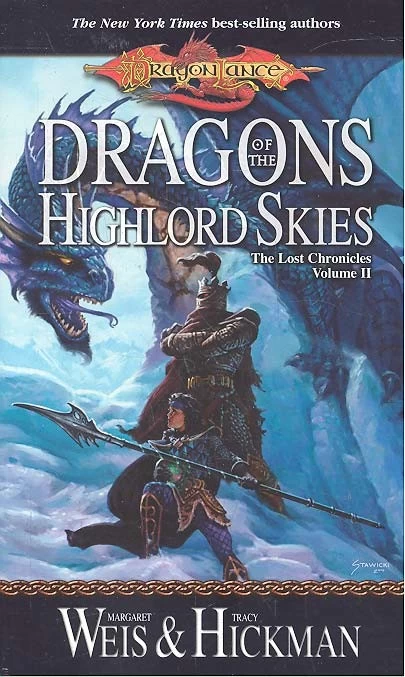
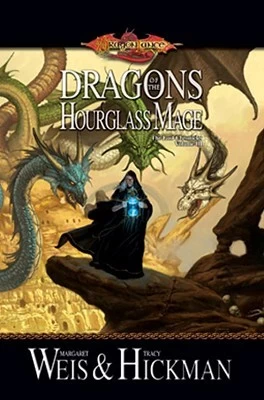 Dragonlance: The Lost Chronicles3 books in this catalog2006–2009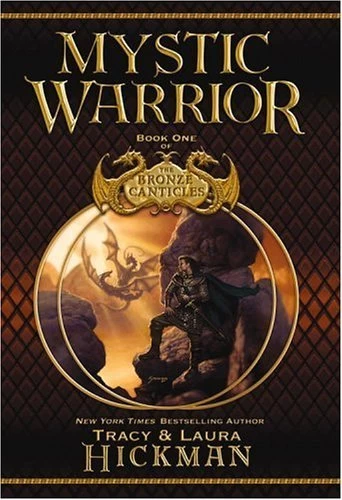
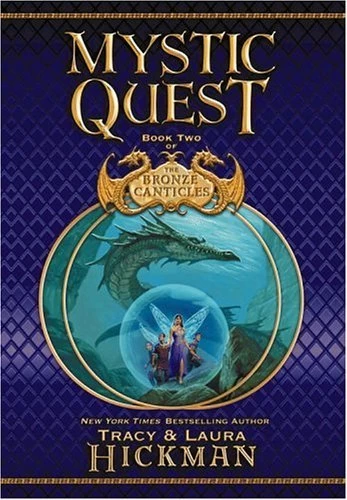
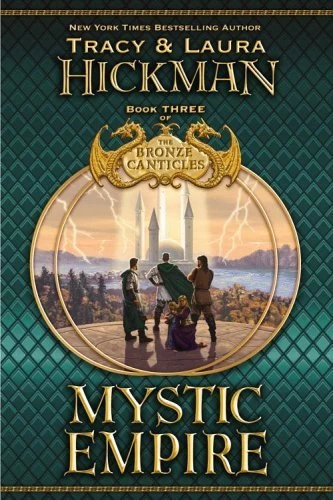 The Bronze Canticles3 books in this catalog2004–2006
 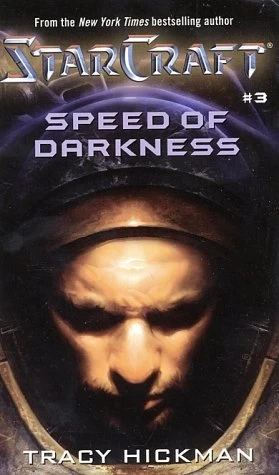 StarCraft1 books in this catalog2002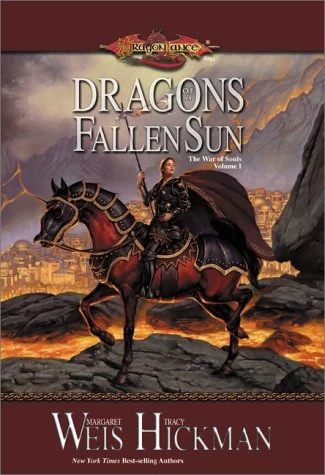
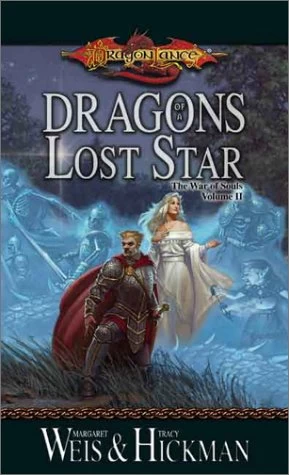
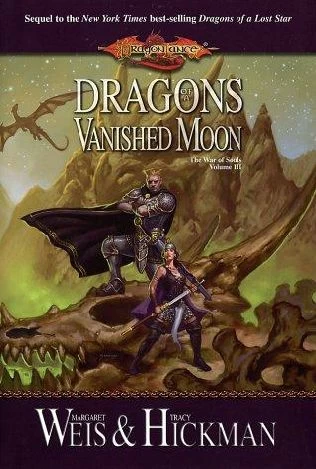 Dragonlance: The War of Souls3 books in this catalog2000–2002
 The Sovereign Stone Trilogy3 books in this catalog2000–2003
  Darksword1 books in this catalog1997
 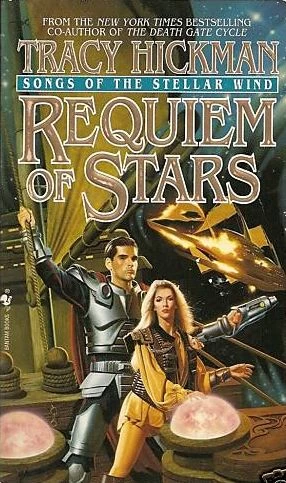 Songs of the Stellar Wind1 books in this catalog1996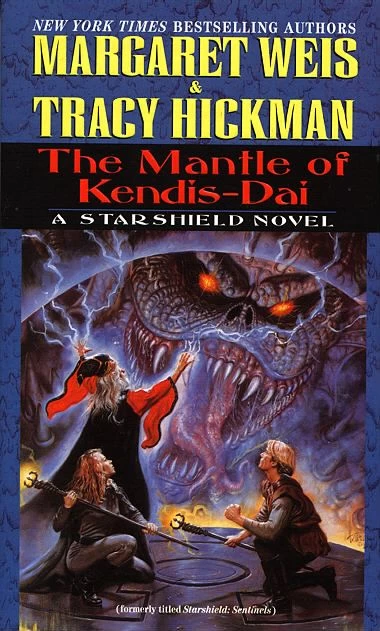
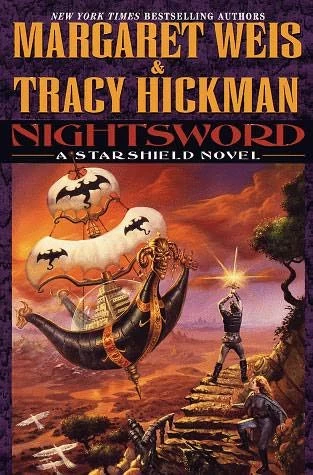 Starshield2 books in this catalog1996–1998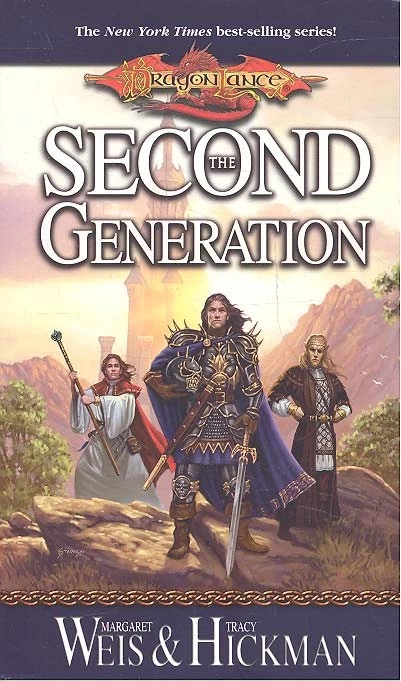
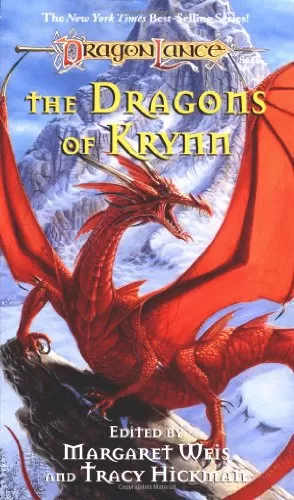
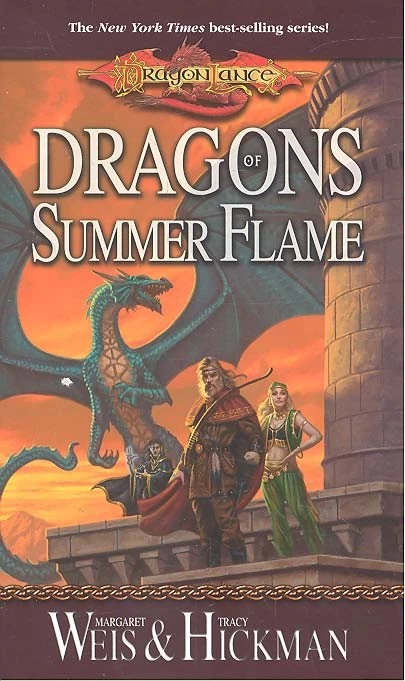 Dragonlance3 books in this catalog1994–1995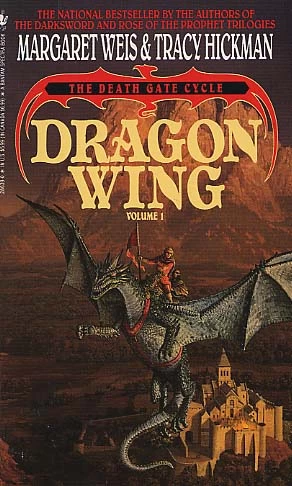
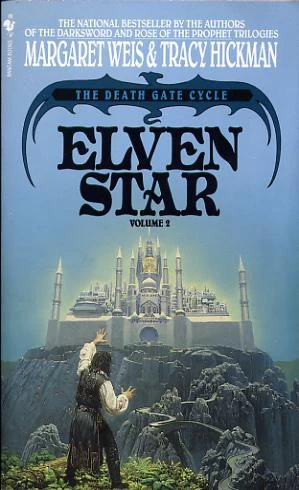
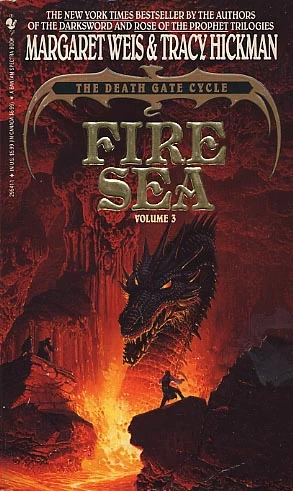
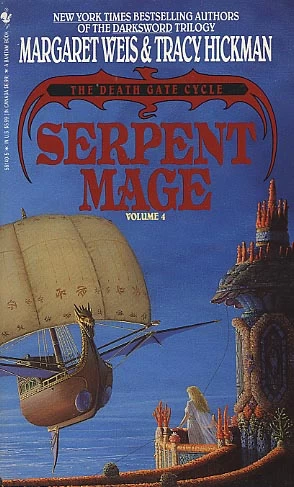 The Death Gate Cycle7 books in this catalog1990–1994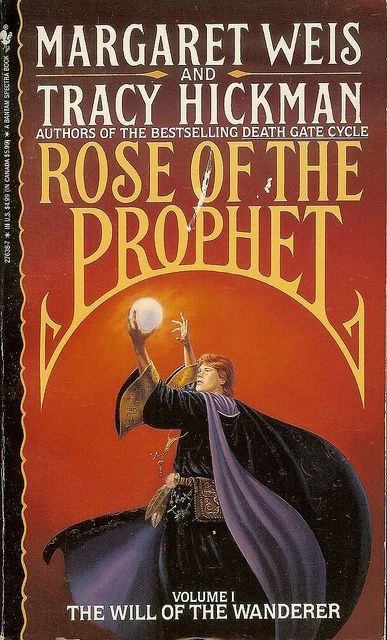
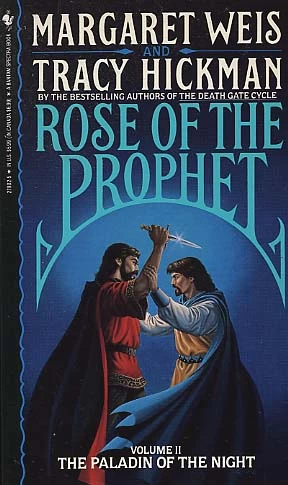
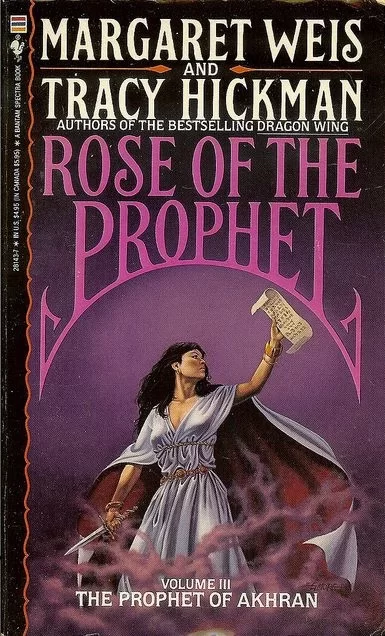 Rose of the Prophet3 books in this catalog1988–1989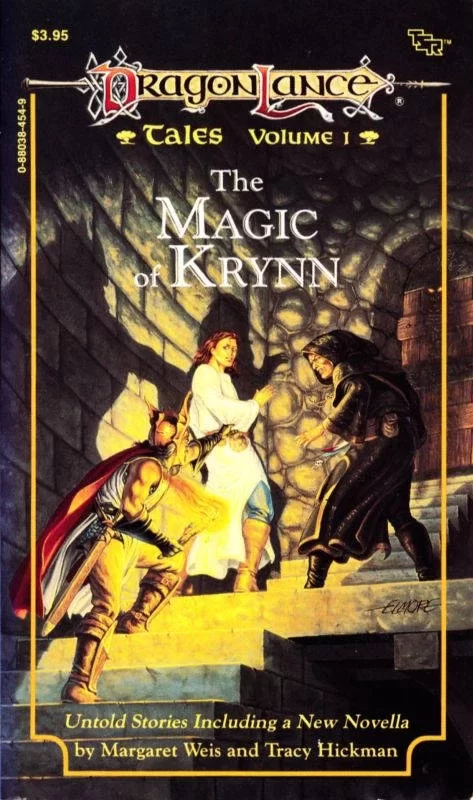
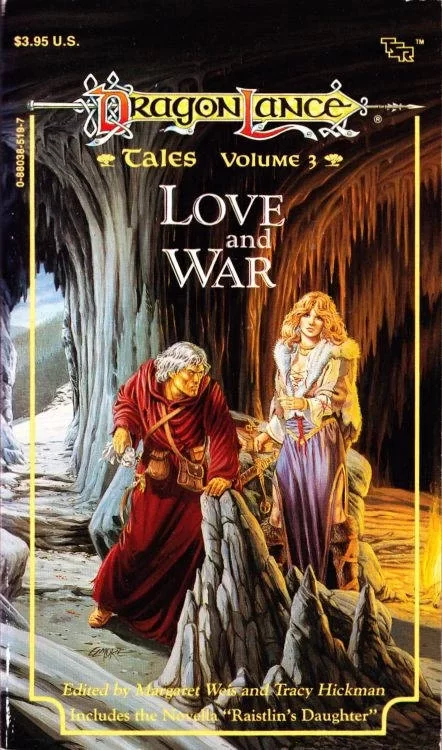
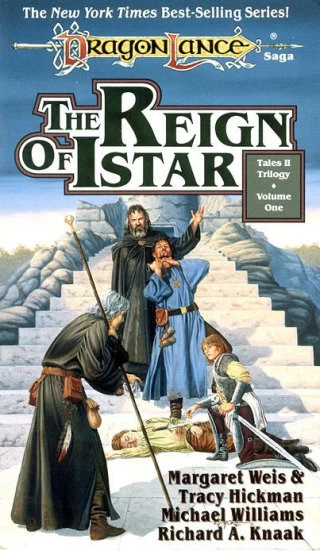
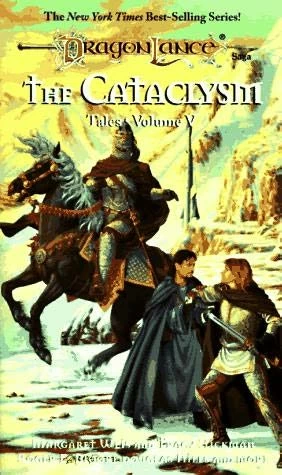 Dragonlance: Tales5 books in this catalog1987–1992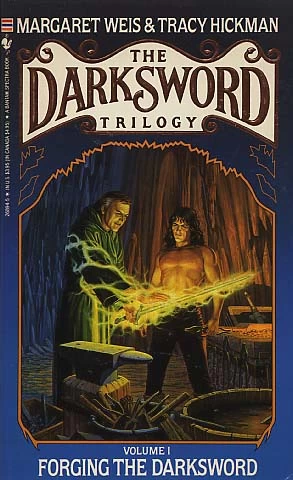
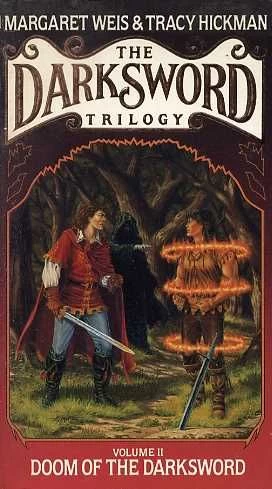
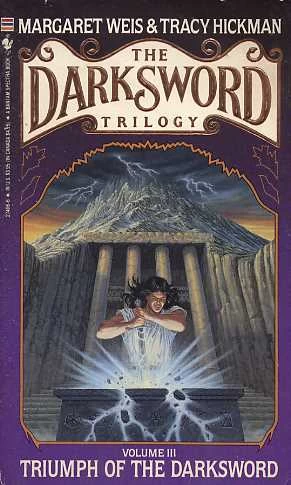 The Darksword Trilogy3 books in this catalog1987–1988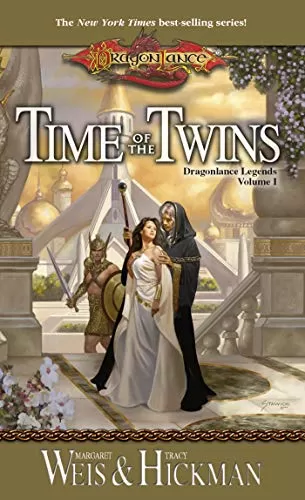
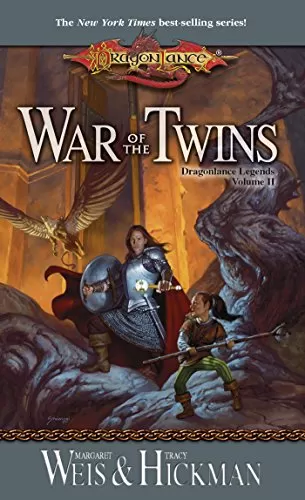
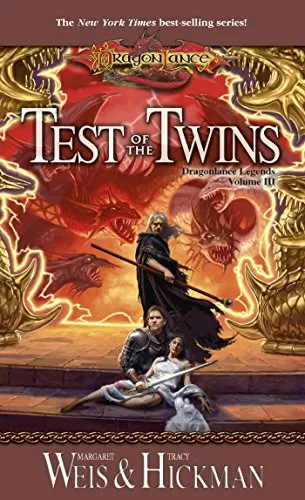 Dragonlance Legends3 books in this catalog1986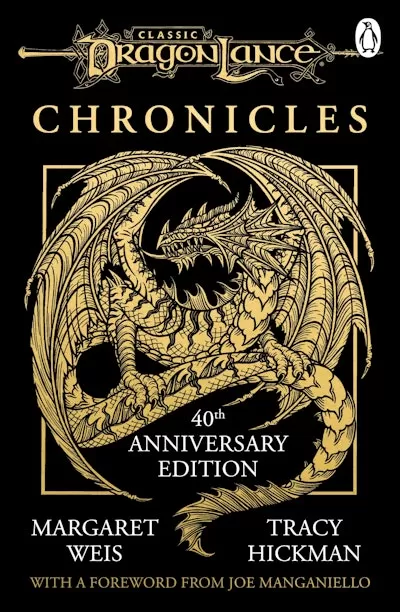
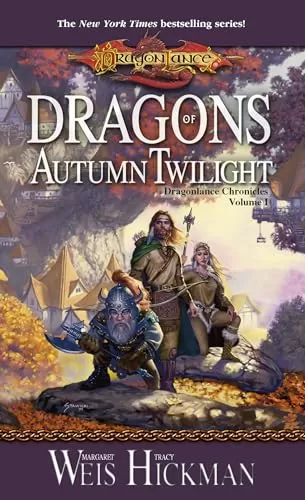
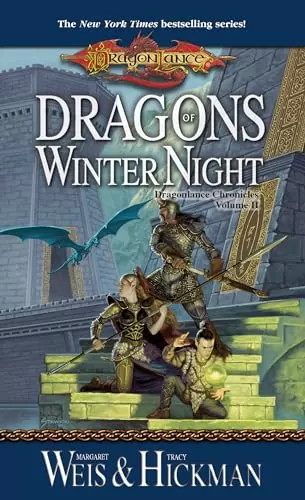
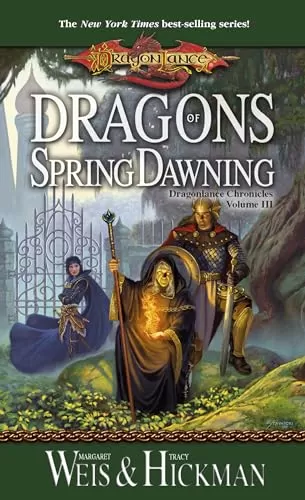 Dragonlance Chronicles4 books in this catalog1984–2025✓ Completed series