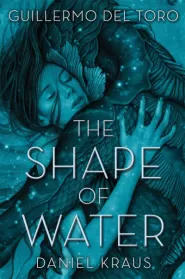
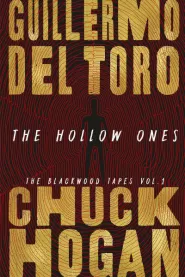
Few storytellers move as fluidly between the grotesque and the beautiful as Guillermo del Toro. His work—whether on screen or on the page—feels like it was drawn from a shadowed corner of a dream, where monsters are more than just beasts and innocence is always on the edge of ruin. His stories aren’t escapism. They’re mythologies for the haunted, crafted with the tenderness of someone who’s always understood that the world’s darkest places can still be filled with wonder.
Born in Guadalajara, Mexico, del Toro grew up surrounded by Catholic imagery, fairy tales, and the looming presence of death—an upbringing that shaped his distinct creative vision. From an early age, he was drawn to the macabre, but not for shock value. To him, monsters weren’t to be feared; they were misunderstood, exiled, symbolic. That empathy threads through his writing just as deeply as it does his filmmaking.
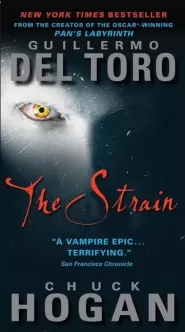
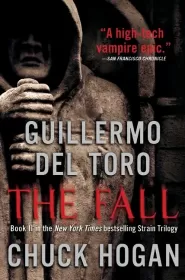
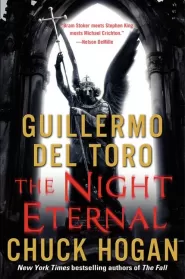
His novels, like The Strain trilogy co-authored with Chuck Hogan, carry the same eerie elegance as his films—steeped in myth and folklore, yet grounded in visceral human fear. While The Strain takes a science-driven approach to the vampire legend, it never loses the poetic tension that defines del Toro’s work. There’s always a heartbeat beneath the horror, and a question lingering in the dark: What would you sacrifice to survive?
Themes of transformation, innocence lost, and the blurred line between beauty and terror recur across his written work. His prose is as visual as his directing—lean, charged, and precise—often mirroring the structure of a fairy tale turned inside out. And yet, even at his most harrowing, there's a softness beneath the horror. A reverence for the outcasts. A celebration of the strange.
Over the years, del Toro has won Oscars, published illustrated notebooks, and collaborated across media, but fame has never dulled his curiosity. He’s still the kid sketching monsters in the margins—just now with the world watching.
As he once said, “The world is beautiful and terrible, and that’s why it’s worth telling stories about.” In that sentence, you’ll find the soul of everything he writes.