

Author
Ernest Cline
Ernest Cline’s name has become almost synonymous with the thrilling blend of 80s pop culture, futuristic technology, and an unapologetic love for video games. Born in the small town of Ashland, Ohio, Cline’s journey into writing was a mix of passion and serendipity. With a deep affection for sci-fi…
Read more
Ernest Cline’s name has become almost synonymous with the thrilling blend of 80s pop culture, futuristic technology, and an unapologetic love for video games. Born in the small town of Ashland, Ohio, Cline’s journey into writing was a mix of passion and serendipity. With a deep affection for sci-fi classics, arcade games, and the rich tapestry of 80s nostalgia, it’s no surprise that his breakthrough work, Ready Player One, would become an instant cultural touchstone.
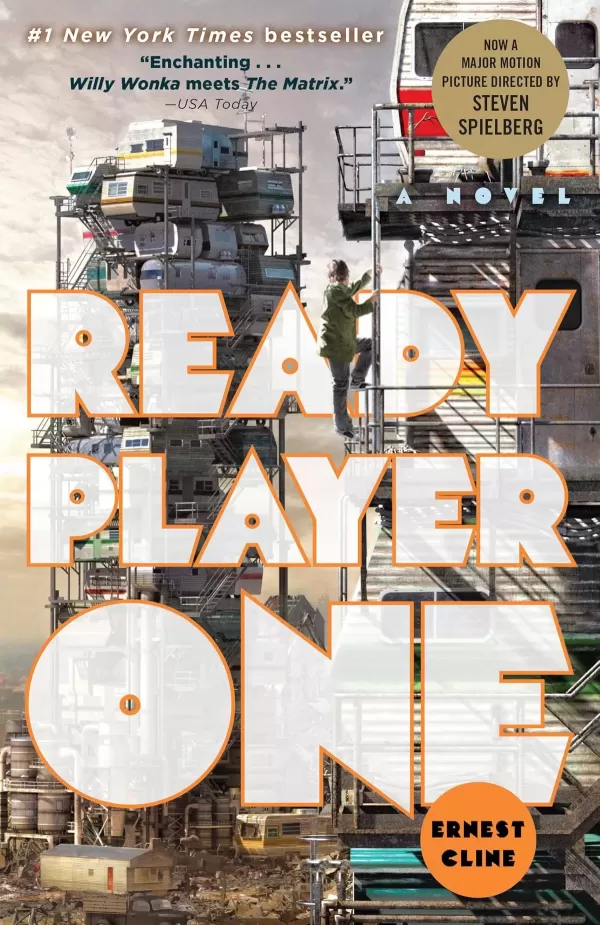
Ready Player One catapulted Cline to fame, drawing readers into a dystopian future where virtual reality offers an escape from the hardships of real life. The novel’s protagonist, Wade Watts, embarks on a quest that’s equal parts adventure, puzzle-solving, and 80s trivia. But at its core, Cline’s tale is about more than just the game—it’s about identity, human connection, and the ways we navigate a world that often feels as disconnected as it is immersive. The novel became a bestseller and was later adapted into a film directed by Steven Spielberg, cementing its place in the hearts of both readers and moviegoers.
What makes Cline’s writing stand out isn’t just his ability to craft an unforgettable narrative but his unique ability to weave cultural references, technology, and the human experience into a story that resonates on multiple levels. His novels often blur the lines between past and future, celebrating retro nostalgia while addressing the pressing questions of our digital age. Whether through virtual worlds or post-apocalyptic settings, Cline creates universes that feel both familiar and completely new.
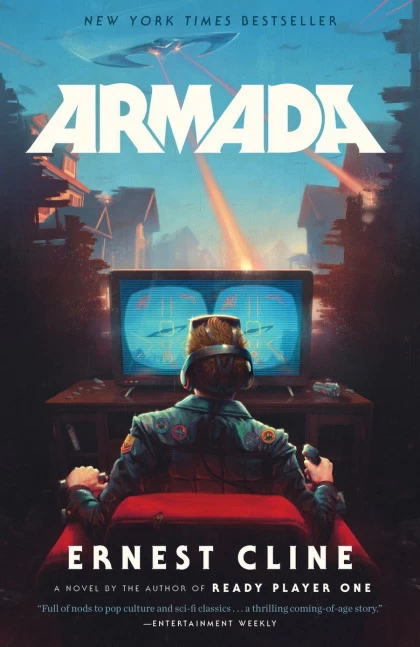
Before becoming a novelist, Cline had a career in screenwriting, which gave him the skills to craft stories that play out cinematically in readers’ minds. His second novel, Armada, followed in the same vein, offering a gripping tale of a young gamer caught in a battle against alien invaders. While Armada didn’t have the same cultural impact as Ready Player One, it showcased Cline’s knack for combining science fiction with adventure in a way that keeps readers hooked.
Ernest Cline’s impact extends beyond just books. His exploration of virtual reality, gaming, and the influence of digital culture has made him a voice in conversations about the future of technology and entertainment. Whether discussing how gaming has shaped our world or how nostalgia can fuel creativity, Cline’s work invites readers to reflect on where we’re headed—and how the past still has a hold on our future.
Though he’s only written a handful of books so far, Cline’s blend of futuristic fiction and nostalgic homage makes him a defining voice in modern science fiction. His works are a testament to the power of imagination, a reminder that while technology may change, the need for human connection remains timeless.
Books by this author
3 books in this view
THE AUTHOR’S WORLDS