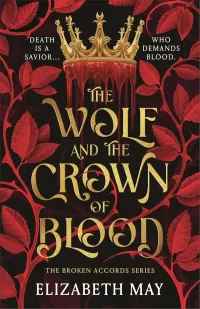
Elizabeth May writes the kind of stories that blur the boundary between myth and memory, between rebellion and longing. Born in California but rooted in Scotland, she carries the cadence of both places into her novels: sunlit imagination tempered by windswept grit. Readers first met her through The Falconer trilogy, a series where fae magic, vengeance, and steampunk invention collided in a whirlwind of danger and desire.
Her writing thrives on contrasts. With Laura Lam, she co-created the Seven Devils duology, a feminist space opera often described as Mad Max: Fury Road among the stars. More recently, she turned to Slavic-inspired romantasy with To Cage a God, a tale of revolution, sacrifice, and love that earned recognition on Paste Magazine’s Best New Books list. Under the name Katrina Kendrick, she explores historical romance, proving that whether the setting is an empire at war or a glittering ballroom, her characters always burn with intensity and conviction.
May’s path to authorship is as layered as her novels. She once worked as a photographer and model, professions that sharpened her sense of atmosphere and the unspoken emotions behind every gesture. While pursuing a PhD in anthropology at the University of St Andrews, she began drafting The Falconer as a way to cope with seasonal depression, an act of survival that sparked an international career. That blend of personal resilience and imaginative daring continues to shape her work, where heroines wrestle with power, morality, and the weight of choice.
Today she lives in a crumbling eighteenth-century farmhouse in rural Scotland with her husband, three cats, and a hive of honeybees humming through the walls. It’s a fitting home for someone whose fiction is always alive with the tension between the ordinary and the otherworldly. Whether she is writing about assassins, rebels, or monsters who deserve love, Elizabeth May brings readers into worlds where myth feels immediate and every choice has consequences.