Dan Brown’s name is synonymous with intricate puzzles, historical mysteries, and high-octane thrills. Born in Exeter, New Hampshire, in 1964, he grew up with a deep love for both history and technology, two passions that would go on to define his writing career. Before finding fame as a novelist, Brown was a musician and a teacher, his creativity channeled through different avenues. But it wasn’t until the release of The Da Vinci Code in 2003 that Brown would become a global phenomenon, captivating millions with his trademark blend of history, religion, and cryptic codes.
In The Da Vinci Code, readers are introduced to Harvard symbologist Robert Langdon, who embarks on a mind-bending chase through the streets of Paris and beyond, uncovering secrets hidden in the works of art and architecture throughout history. The novel’s fast-paced narrative, paired with its provocative exploration of religion and mystery, sparked heated debates, instant fame, and a massive fanbase. Its success has made it one of the bestselling books of all time, translated into countless languages and adapted into a blockbuster film, reinforcing Brown’s position as a master of the modern thriller.
What sets Brown’s writing apart is his ability to weave factual history into an intricate web of suspense. His novels—whether dealing with secret societies, the mysteries of the Vatican, or the hidden meanings behind the works of famous artists—read like treasure hunts through the pages of history itself. His skill lies not just in creating page-turning plots, but in making the most obscure historical facts feel both thrilling and relevant.
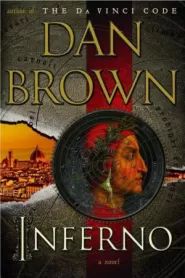
Although The Da Vinci Code is undoubtedly his most famous work, Brown’s Robert Langdon series continues to captivate audiences with books like Angels & Demons, The Lost Symbol, and Inferno. Each novel is built on the same formula of mystery, history, and a race against time, yet Brown’s mastery lies in his ability to keep readers on edge with new twists, complex codes, and dark secrets lurking in the most unexpected places.
Brown's impact extends beyond the literary world. His books have sparked real-world interest in history, art, and religious symbolism, turning everyday readers into amateur detectives. They have also inspired a wave of similar thrillers, with many writers attempting to capture the same lightning in a bottle. However, it’s Brown’s specific balance of fact and fiction—combined with his knack for making the past feel alive and dangerous—that continues to set his work apart.
While his books often touch on controversial subjects and challenge conventional beliefs, Brown has always maintained that his goal is to spark thought, rather than offer answers. His storytelling invites readers to question the narratives they have been taught, to look beyond the surface, and to uncover the mysteries that lie beneath.
In interviews, Brown has said, “I believe that the more questions you ask, the more answers you get. And sometimes those answers challenge what you’ve believed to be true.” This sentiment encapsulates the essence of his work—stories that not only entertain but make readers think.
Dan Brown’s writing is an invitation into a world of hidden meanings, coded messages, and thrilling adventures where the past and present collide in unexpected ways. His books continue to leave an indelible mark on readers, both challenging their intellect and exciting their imaginations.