About the Book
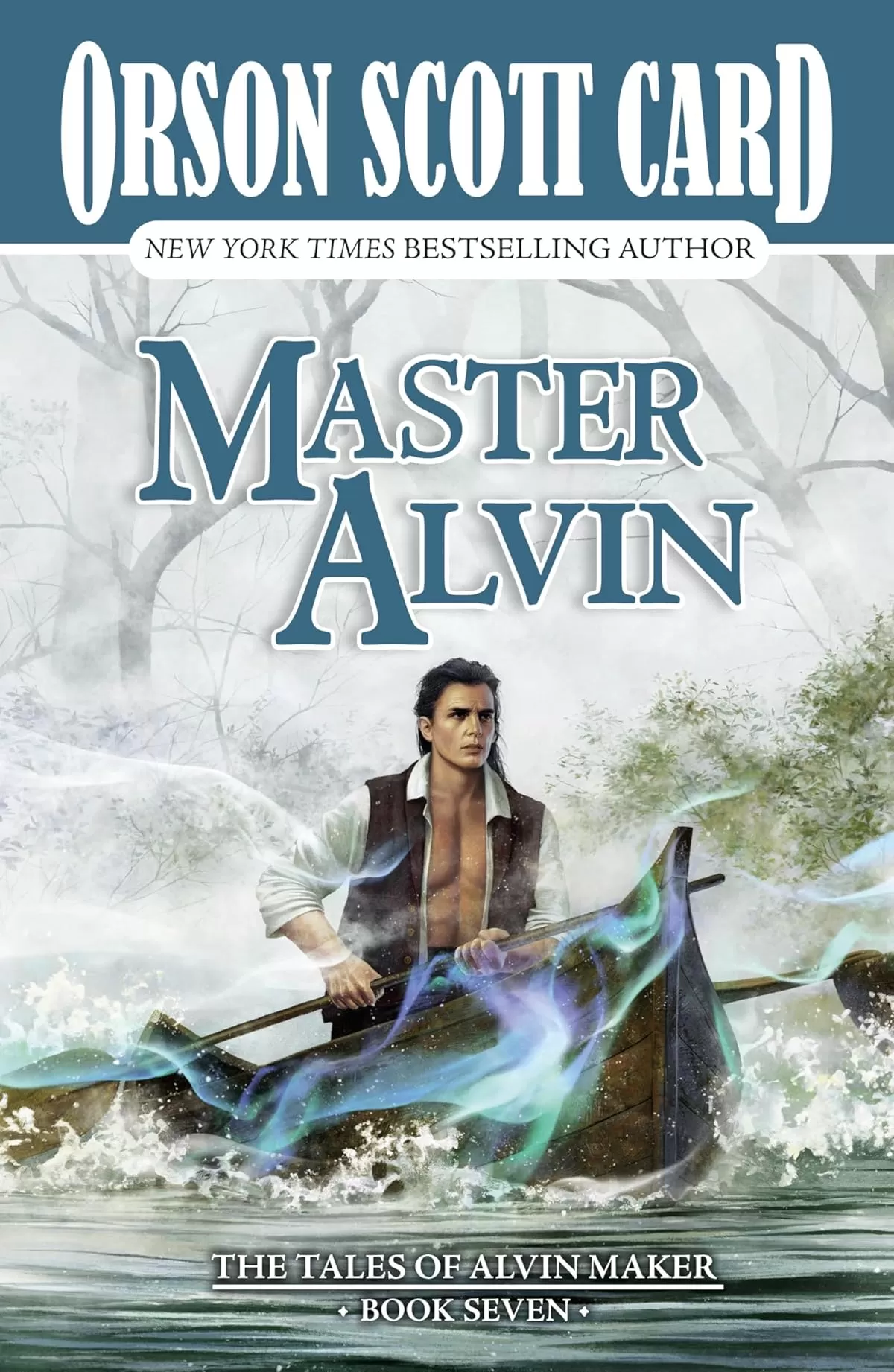
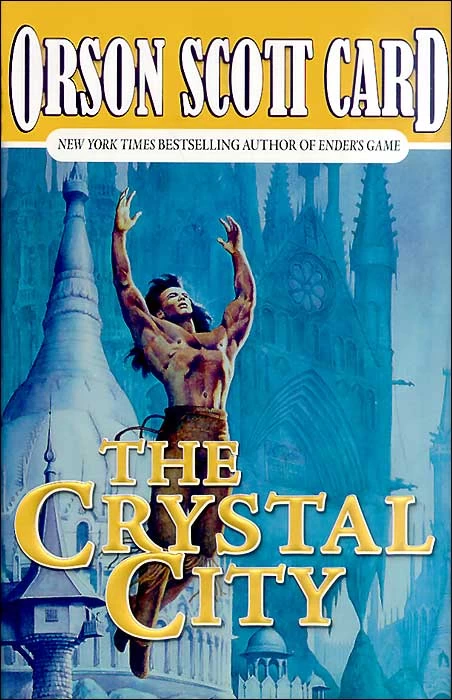
Using the lore and the folk-magic of the men and women who settled North America, Orson Scott Card has created an alternate world where magic works, and where that magic has colored the entire history of the colonies. Charms and beseechings, hexes and potions, all have a place in the lives of the people of this world. Dowsers find water, the second sight warns of dangers to come, and a torch can read a person's future – or their heart.
In this world where "knacks" abound, Alvin,
the seventh son of a seventh son, is a very special man indeed. He's a
Maker; he has the knack of understanding how things are put together,
how to create them, repair them, keep them whole, or tear them down. He
can heal hearts as well as bones, he build a house, he can calm the
waters or blow up a storm. And he can teach his knack to others, to the
measure of their own talent.
Alvin has been trying to avert the
terrible war that his wife, Peggy, a torch of extraordinary power, has
seen down the life-lines of every American. Now she has sent him down
the Mizzippy to the city of New Orleans, or Nueva Barcelona as they
call it under Spanish occupation. Alvin doesn't know exactly why he's
there, but when he and his brother-in-law, Arthur Stuart, find lodgings
with a family of abolitionists who know Peggy, he suspects he'll find
out soon.
But Nueva Barcelona is about to experience a plague,
and Alvin's efforts to protect his friends by keeping them healthy will
create more danger than he could ever have suspected. And in saving the
poor people of the city, Alvin will be put to the greatest test of his
life – a test that will draw on all his power. For the time has come
for him to turn to his old friend Tenskwa-Tawa, the Red Prophet who
controls the lands to the west of the Mizzippy. Now Alvin must take the
first steps on the road to the Crystal City that was shown to him in a
vision so long ago.