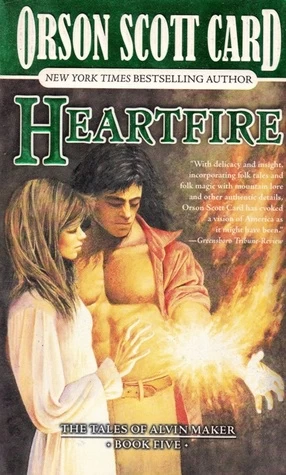

About the Book
Mythopoeic Fantasy Award 1988, Locus Award for Best Fantasy Novel 1988, World Fantasy Award nominee 1988, Hugo Award nominee 1988.
From the end of the 18th century into the early years of the 19th, Americans crossed the Appalachian Mountains and moved across the Northwest Territory, spreading west to the banks of the great river. They traveled to find new homes, new lands, and they brought with them the plain magics of plain people. It is from these roots of the American dream that award-winning writer Orson Scott Card has crafted a uniquely American fantasy.
Using the lore and the folk magic of the men and women who settled a continent, and the beliefs of the tribes who were here before them, Card has created an alternate frontier America; a world where a particular kind of magic really works and where that magic has colored the entire history of the colonies. Charms and beseechings, hexes and potions, all have a place in the lives of the people of this world. "Knacks" abound: dowsers find water, sparks set fires, blacksmiths speak to their iron, the second sight warns of dangers to come, and a torch can read the heart-fire of anyone within reach. It is into this world, in a roadhouse on the track westward, amid the deep wood where the Red man still holds sway, that a very special child is born.
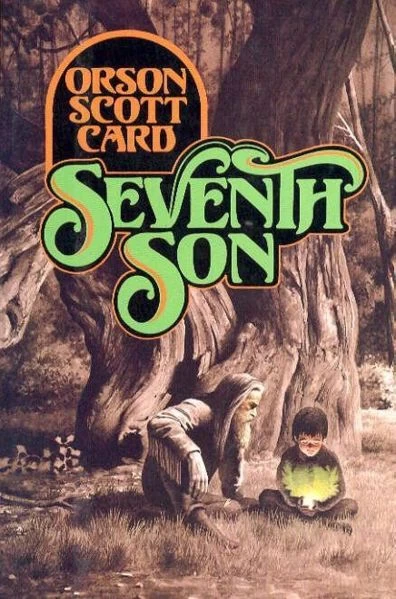
Young Alvin is the seventh son of a seventh son, born while his six brothers all still lived. Such a birth is a powerful magic; such a boy is destined to become something great perhaps even a Maker. But no Maker has been born for many a century, and there is no lore to tell how the Maker's knack works. At the age of six Alvin doesn't seem to have any special talent at all, unless it's the knack he has of working with stone and wood, crafting tools and ornaments; unless it's his ability to paint a hex just right; unless it's the way he has with animals...
Yes, Alvin is something special; and even in the loving safety of his home, dark forces reach out to destroy him. Something will do anything to keep Alvin from growing up.