Risingshadow
Speculative Fiction Books
  • About
    • Home
    • Articles
    • About Us
    • Contact Us
    • Privacy Policy
    • Terms of Service
    • Staff Members
    • Newsletter
    • Finnish (FI)
  • Books
    • New Releases
    • Coming Soon
    • Books of the Year
    • Bookshelves Activity
    • Recently Added
    • Advanced Search
    • Reviews / Comments
    • Genres and Tags
    • * Submit Book
  • Community
    • Discussions
    • - Recent Messages
    • - Recent Topics
    • - Hot Topics
    • - Popular Topics
    • - Search
    • CHALLENGES
    • - Reading Challenge
    • - Book Trivia Quiz
  • Home
  • Books
  • C. S. Lewis
  • The Chronicles of Narnia
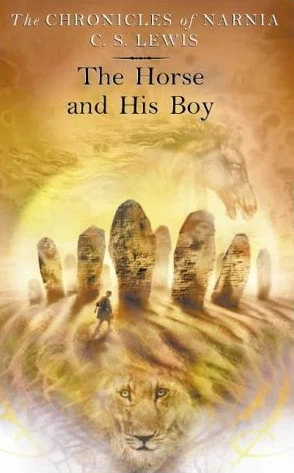
  • The Horse and His Boy

The Horse and His Boy

The Chronicles of Narnia #5 / 7
by C. S. Lewis
The Horse and His Boy (The Chronicles of Narnia #5) by C. S. Lewis
★ 6.94 / 48
1121344251563713839610

This is the story of an adventure that happened in Narnia and Calormen and the lands between, in the Golden Age when Peter was High King in Narnia and his brother and his two sisters were King and Queens under him. It is during this glorious era in Narnian history that Shasta, a young boy living in Calormen with a cruel man who claims to be his father, dreams of traveling to the unknown North.

Amazon: Check Best Offer

FantasyYoung AdultEpic FantasyHigh FantasyNarnia
Release date: 1954

Book Order
Amazon
Kindle
Audible
Amazon CA
Amazon UK
Amazon Europe

Your Rating
☆☆☆☆☆☆☆☆☆☆
Standard Shelves

Readers also enjoyed

The Assassin's Blade (Throne of Glass #0.5)
★ 8.28 / 14
Graceling (Graceling Realm #1)
★ 8.10 / 48
Six of Crows (Six of Crows #1)
★ 8.00 / 23
Throne of Glass (Throne of Glass #1)
★ 7.88 / 64
Sorcery of Thorns (Sorcery of Thorns #1)
★ 7.88 / 17
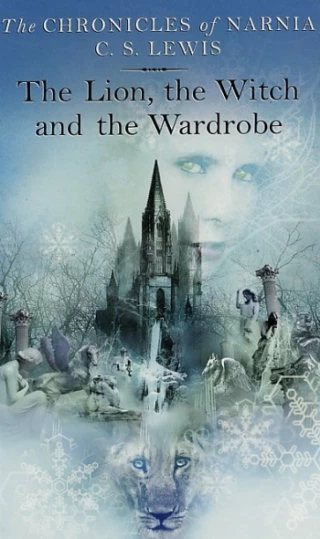
The Lion, the Witch and the Wardrobe (The Chronicles of Narnia #1)
★ 7.84 / 79
The Ice Dragon
★ 7.84 / 26

Join the Discussion
You can post as a guest or sign in for more features.
Have questions about this book or want to share your thoughts? Join the conversation!
C. S. Lewis

C. S. Lewis

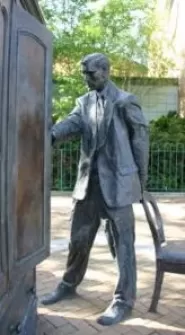
Before there was a wardrobe that opened into another world, there was a quiet boy in Belfast who filled his notebooks with imaginary creatures and fantastical realms. C. S. Lewis—known to friends as Jack—never outgrew the wonder of childhood storytelling. Instead, he transformed it into one of the most beloved and enduring fantasy worlds in literature: Narnia.

Born in 1898 in Northern Ireland, Lewis came of age in a world shadowed by war and personal loss. His mother died when he was just nine, and by his late teens he was serving in the trenches of World War I. These early experiences—both of grief and of survival—left deep marks on his work, often surfacing as themes of sacrifice, redemption, and the fragile beauty of innocence.

Read more ...

While many readers know him for The Chronicles of Narnia, Lewis’s creative range was extraordinary. A professor of literature at Oxford and later Cambridge, he wrote scholarly works on medieval poetry, philosophical explorations of morality and suffering (The Problem of Pain, A Grief Observed), and one of the most sharply imagined Christian allegories in print, The Screwtape Letters. Yet even in his theological writings, his storytelling instinct never dimmed—he was always reaching for a metaphor that might catch fire in the reader’s mind.

The Narnia series, beginning with The Lion, the Witch and the Wardrobe in 1950, was where his imagination bloomed brightest. Blending myth, faith, and a sense of old-world adventure, Lewis crafted a universe where animals talk, good and evil clash in poetic terms, and courage often comes in the form of small acts by ordinary children. His stories didn’t just entertain—they quietly asked readers to reflect on belief, doubt, bravery, and choice.

Though his Christian faith shaped much of his later work, Lewis was not one to preach. He once remarked that his goal was to “sneak past watchful dragons”—to share truths through story rather than sermon. That approach has kept his writing alive across generations and belief systems, appealing to both seekers and skeptics alike.

Lewis’s friendships were as legendary as his books. He was a core member of the Inklings, a group of writers that included J.R.R. Tolkien, who famously argued with Lewis about everything from elves to theology. Their spirited debates fueled some of the most iconic fantasy ever written.

He passed away in 1963, quietly and without fanfare—on the same day President Kennedy was assassinated. But Lewis’s legacy didn’t fade. Today, his books have sold over 100 million copies and continue to be translated, adapted, debated, and, most of all, cherished.

For C. S. Lewis, fantasy was never an escape from reality—it was a way to illuminate it. “Some day,” he wrote, “you will be old enough to start reading fairy tales again.” And when you do, Narnia will still be there, snow-dusted and waiting, just beyond the wardrobe.

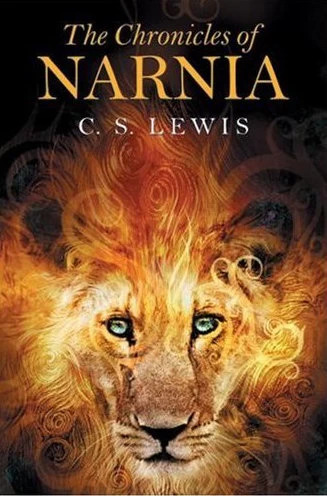
The Chronicles of Narnia

The Chronicles of Narnia consists of seven primary books, and includes two additional books that complement the series but are not considered mandatory reads. The current recommended reading order for the series is provided below.

The Lion, the Witch and the Wardrobe (The Chronicles of Narnia #1)
★ 7.84 / 79
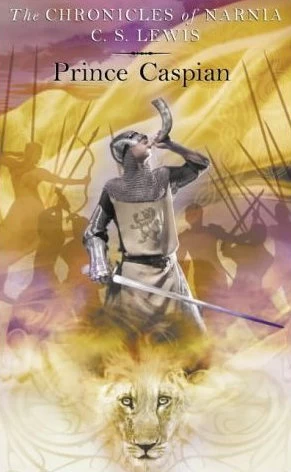
Prince Caspian (The Chronicles of Narnia #2)
★ 7.34 / 58
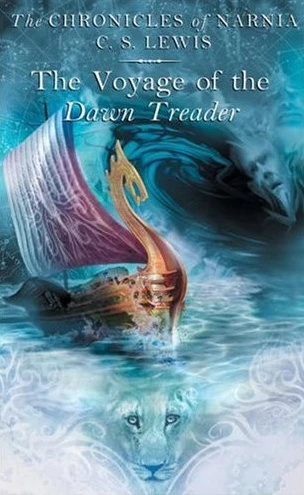
The Voyage of the Dawn Treader (The Chronicles of Narnia #3)
★ 7.30 / 54
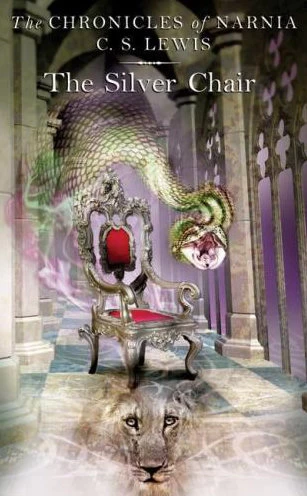
The Silver Chair (The Chronicles of Narnia #4)
★ 6.68 / 46
The Horse and His Boy (The Chronicles of Narnia #5)
★ 6.94 / 48
The Magician's Nephew (The Chronicles of Narnia #6)
★ 7.22 / 49
The Last Battle (The Chronicles of Narnia #7)
★ 6.38 / 49
The Complete Chronicles of Narnia (The Chronicles of Narnia)
★ 7.72 / 36
The Chronicles of Narnia (The Chronicles of Narnia)
★ 7.34 / 49


^ Top
Follow Us: Newsletter | Facebook | X | Mastodon | RSS
Hosted by Planeetta Internet Oy
© 1996 - 2026 Risingshadow. All rights reserved.
This website uses cookies to ensure you get the best experience on our website.
Privacy Policy