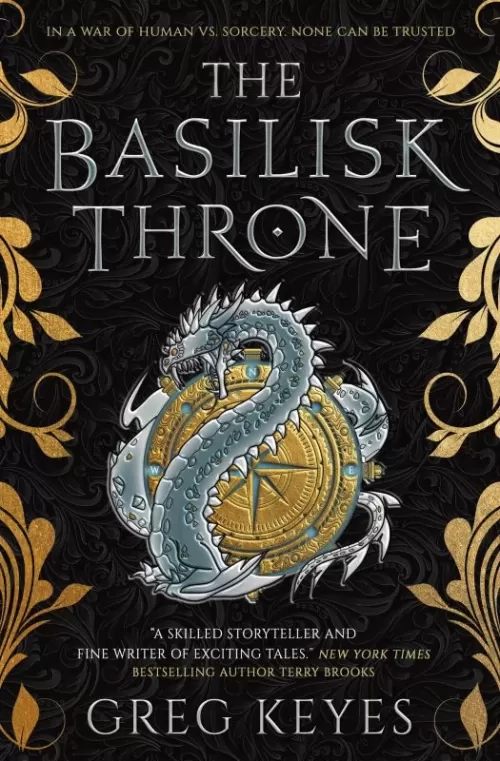
Greg Keyes doesn’t just write fantasy—he builds mythologies that feel like they’ve existed for centuries. His worlds are intricate, his characters fierce with purpose, and his stories hum with the tension between ancient forces and deeply human choices. Whether he’s delving into dynastic battles in The Kingdoms of Thorn and Bone or breathing new life into beloved universes like Star Wars or The Elder Scrolls, Keyes brings a scholar’s mind and a storyteller’s soul to every page.
Born in Mississippi in 1963, Keyes grew up surrounded by the rhythms of Southern storytelling, a background that subtly echoes in the cadence of his prose. He studied anthropology and history—two disciplines that shaped his understanding of myth, culture, and the unspoken rules that govern societies, both real and imagined. This depth of knowledge bleeds into his fiction, grounding even the most fantastical elements in a sense of believable tradition and lived-in history.
His breakout series, The Briar King and its sequels, offers more than swordplay and sorcery—it wrestles with prophecy, politics, and the ghosts of a past that refuses to stay buried. Keyes crafts stories where magic has consequences and where ancient legends collide with fragile mortal ambition. His characters are rarely chosen heroes, but rather complex figures forced to grow into their roles amid crumbling empires and rising darkness.
Alongside his original work, Keyes has written extensively in shared universes, including the Babylon 5, Star Wars, and Planet of the Apes franchises, as well as The Elder Scrolls novels The Infernal City and Lord of Souls. These tie-in works aren’t mere adaptations—they’re textured expansions, handled with respect for the original lore and a creative spark that makes them resonate with fans and newcomers alike.
A lesser-known detail? Keyes once trained in fencing and capoeira, a Brazilian martial art blending dance and combat—both disciplines that mirror the grace and grit of his fight scenes. This physical awareness lends a visceral quality to his action, where battles are felt not just seen.
Today, Greg Keyes remains a steady and inventive presence in the fantasy landscape—a writer who doesn’t chase trends, but quietly shapes the genre through layered narratives, sharp worldbuilding, and a deep understanding of how myths are made. His books invite readers not just to escape, but to immerse, to question, and to journey into the heart of the story.