


Author
Richard Swan
Before turning to fiction, Richard Swan spent years navigating the intricacies of the British legal system as a commercial barrister. That legal precision—meticulous, methodical, and relentless—now pulses through his dark, politically charged fantasy epics. Readers often come to his Empire of the W…
Read more
Before turning to fiction, Richard Swan spent years navigating the intricacies of the British legal system as a commercial barrister. That legal precision—meticulous, methodical, and relentless—now pulses through his dark, politically charged fantasy epics. Readers often come to his Empire of the Wolf trilogy expecting swordfights and magic; they stay for the crumbling empires, courtroom intrigue, and the slow-burn unravelling of truth in a world where justice is as fragile as memory.
Born in North Yorkshire, Swan grew up surrounded by the stark beauty of the English countryside—an early lesson in the contrast between stillness and storm that now echoes in his writing. His storytelling draws heavily from his legal background, but it also leans into the moral gray areas often left untouched by traditional high fantasy. In Swan’s world, heroes are not destined; they are made, broken, and sometimes lost entirely.
His breakout novel, The Justice of Kings, was a quiet revolution in the fantasy genre—a sharp, philosophical debut that placed a legal investigator at the heart of an empire's fall. With its brooding tone, introspective narration, and moral complexity, the book carved out a niche between grimdark and classic epic fantasy. It’s less about the clash of armies and more about the erosion of ideals, making it a compelling read for fans of authors like Joe Abercrombie and C.J. Sansom.
Themes of authority, power, and faith run deep through his work, often explored through characters who are painfully aware of their own fallibility. Swan doesn’t write for escapism; he writes to ask uncomfortable questions—and to let those questions linger long after the final chapter.
Now residing in London with his family, Richard Swan continues to expand his imagined worlds, building stories that challenge genre boundaries and reader expectations alike. With a voice that blends legal precision and philosophical weight, his novels stand as stark, intelligent reflections on the cost of power in every form it takes.
Books by this author
6 books in this view
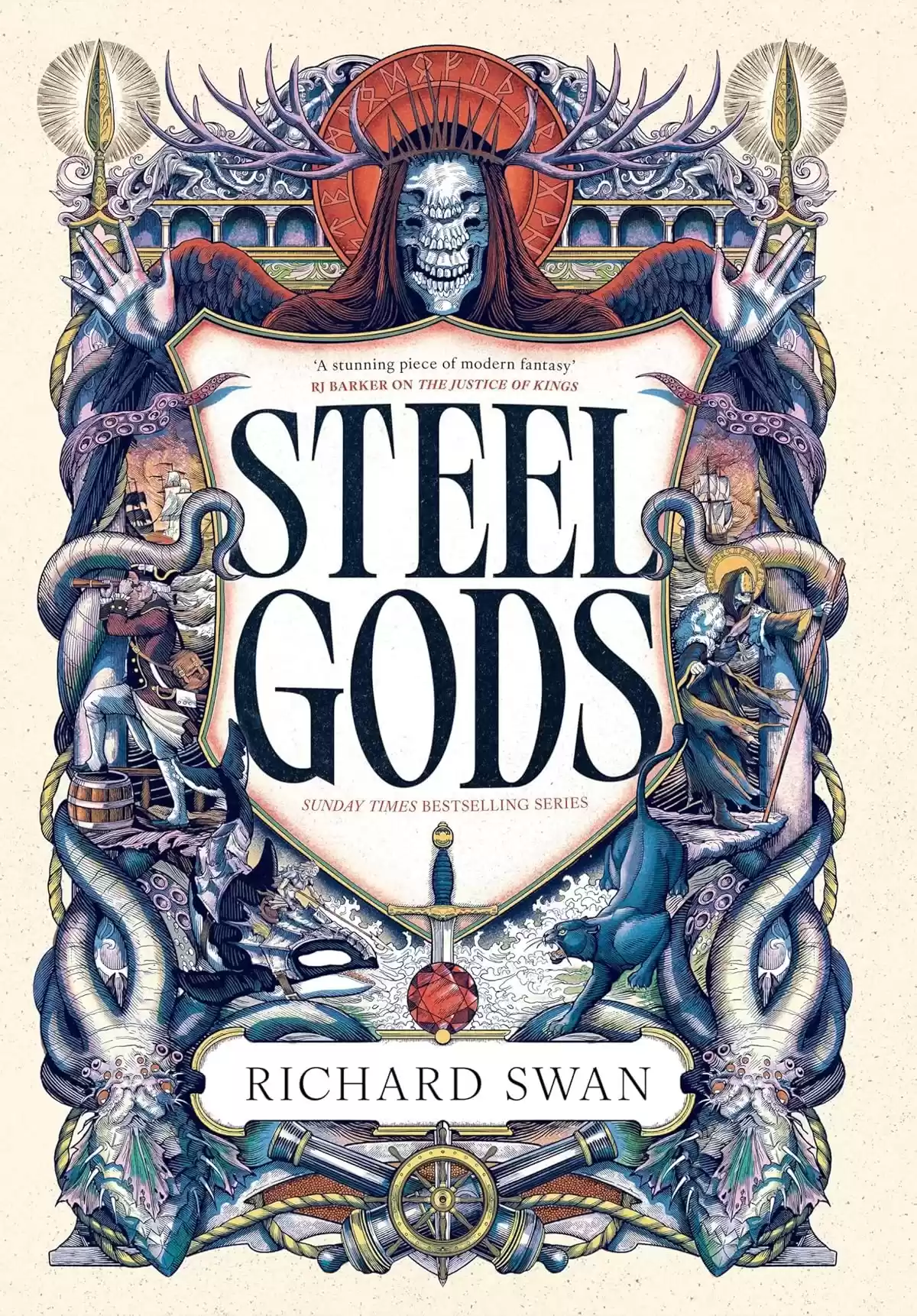
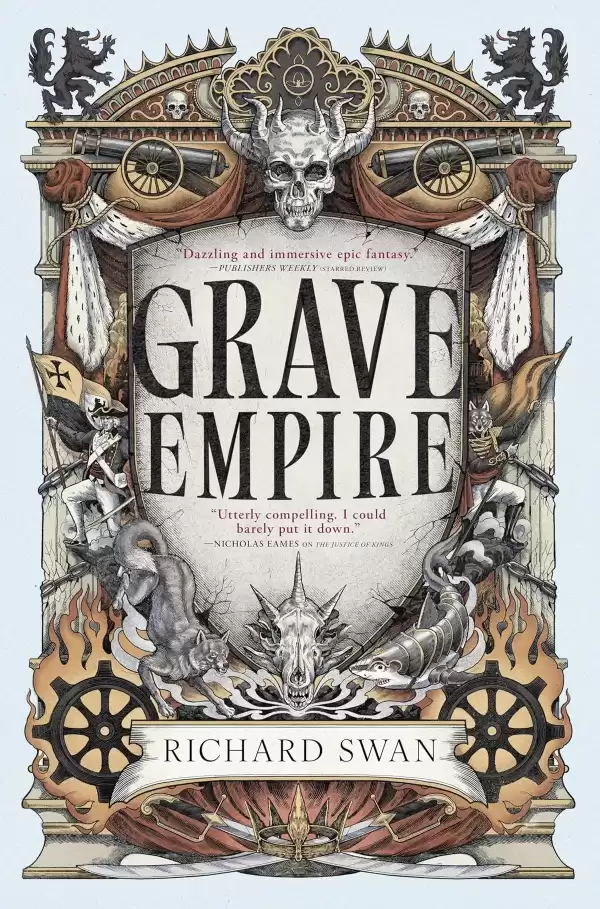
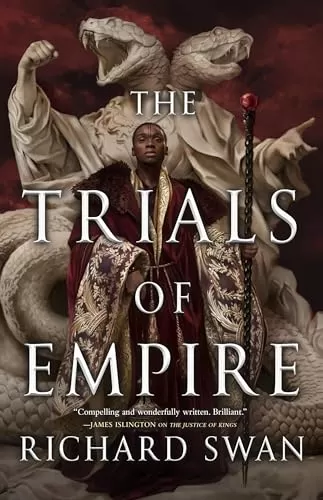
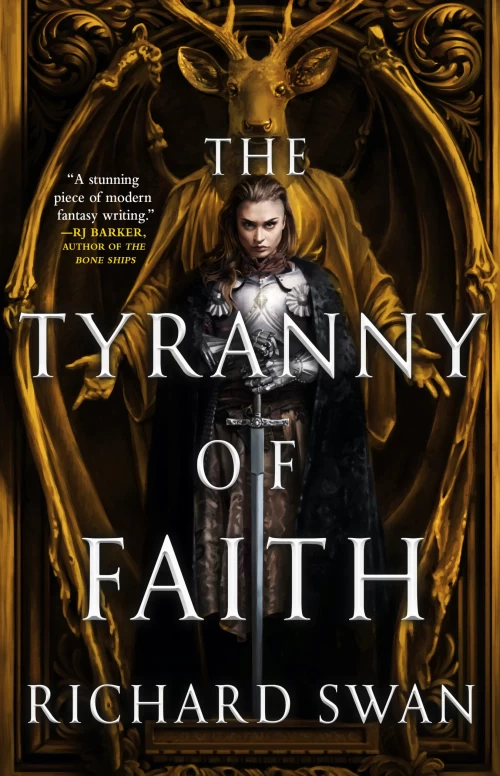
Blood Dynasty 2027 9/103 anticipation ratings Fantasy · Epic Fantasy · High Fantasy The Great Silence #3 Steel Gods 2026 Fantasy · Epic Fantasy · High Fantasy The Great Silence #2 Grave Empire 2025 Fantasy · Epic Fantasy · High Fantasy The Great Silence #1 The Trials of Empire 2024 7.5/102 ratings Fantasy · Epic Fantasy · High Fantasy The Empire of the Wolf #3 The Tyranny of Faith 2023 8.5/102 ratings Fantasy · Epic Fantasy · High Fantasy The Empire of the Wolf #2 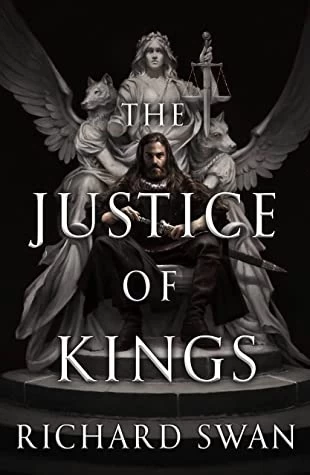 The Justice of Kings 2022 8/102 ratings Fantasy · Epic Fantasy · High Fantasy The Empire of the Wolf #1
THE AUTHOR’S WORLDS