Before most thriller writers were sending heroes across collapsing ice shelves or into sunken wartime submarines, Clive Cussler was already there, charting the coordinates.
Born in 1931 in Aurora, Illinois, and raised in Southern California, Cussler grew up close enough to the Pacific to feel its pull. The ocean was not background scenery for him, it was a question mark. After serving in the U.S. Air Force during the Korean War as a flight engineer and mechanic, he moved into advertising, where he learned the art of momentum, how to seize attention quickly and never let it drift. That instinct would later define his brand of adventure fiction.
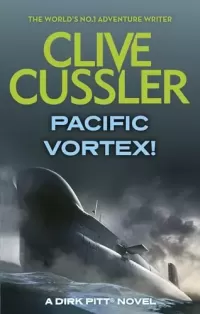
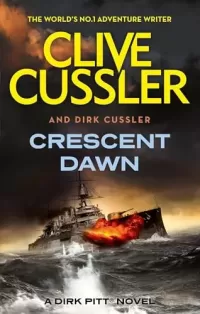
He broke onto the scene in 1973 with The Mediterranean Caper, introducing Dirk Pitt, a marine engineer and government troubleshooter working for NUMA, the fictional National Underwater and Marine Agency. Pitt was different from the trench-coated detectives and cold war spies of the era. He quoted poetry, collected vintage cars, and plunged headfirst into shipwrecks and conspiracies with equal enthusiasm. Through novels like Raise the Titanic!, Sahara, and Inca Gold, Cussler built a high-stakes world where maritime history collided with modern technology and global threats. The pacing was sharp, the villains operatic, the set pieces cinematic.
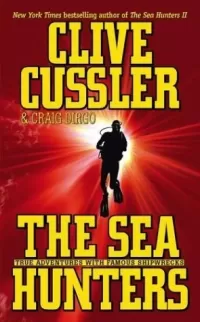
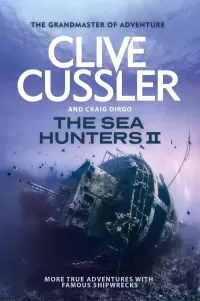
What distinguished his adventure thrillers was the reverence for the past. Lost submarines, vanished expeditions, buried empires, these were not decorative mysteries but engines of the plot. That fascination extended far beyond fiction. In 1979, he founded a real-life version of NUMA dedicated to locating and documenting historic shipwrecks. Under his leadership, dozens of significant wrecks were discovered, including the Confederate submarine H. L. Hunley. His nonfiction work, The Sea Hunters, chronicles these expeditions and blurs the line between novelist and explorer.
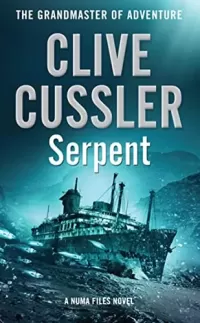
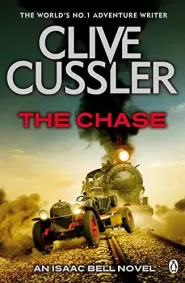
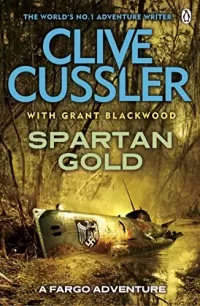
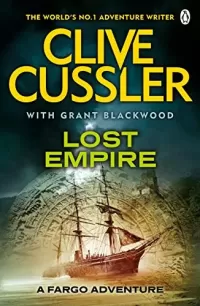
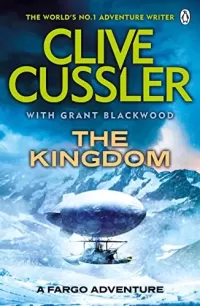
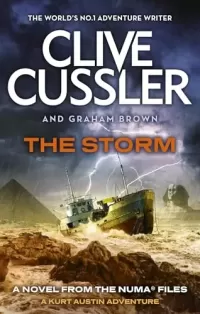
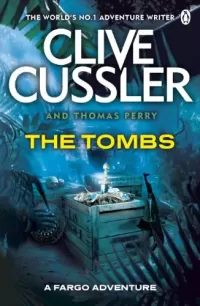
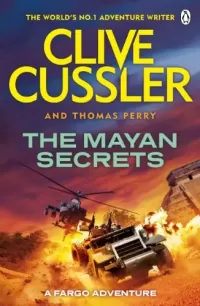
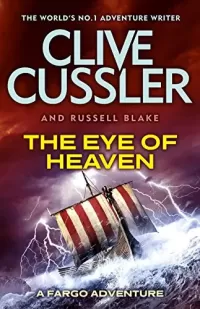
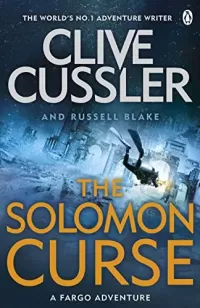
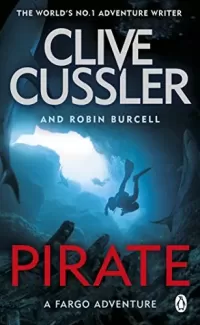
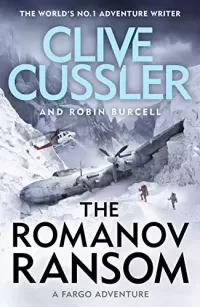
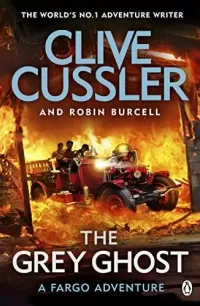
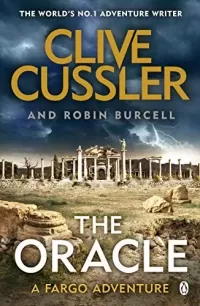
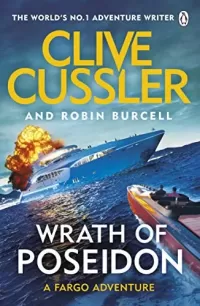
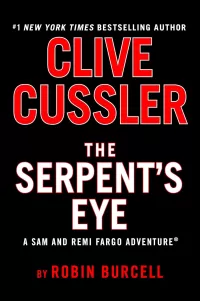
Over time, his literary universe expanded into multiple bestselling series, including the NUMA Files, the Oregon Files, the Isaac Bell novels, and the Fargo Adventures. Many of these were written in collaboration with co-authors, including his son Dirk Cussler, ensuring the continuation of that signature blend of historical mystery, relentless action, and mechanical precision. More than 100 million copies of his books have been sold worldwide, and they have been translated into dozens of languages, securing his place as one of the most commercially successful authors in modern thriller fiction.
Yet for all the explosions and underwater chases, there is something almost nostalgic about his work. Cussler’s stories carry the spirit of classic pulp adventure, updated with modern stakes and research. His heroes respect history, value loyalty, and believe that the world’s secrets are worth saving. Even his famous cameo appearances in his own novels, where he would briefly meet Dirk Pitt as a wry observer, suggest a writer who understood the joy of storytelling and was willing to wink at the reader.
Clive Cussler passed away in 2020, but the template he refined, the fusion of maritime adventure, historical intrigue, and fast-moving thriller plotting, continues to shape the genre. For readers searching for ocean-soaked suspense, lost treasure mysteries, and globe-spanning action, his novels remain a reliable plunge into deep water.