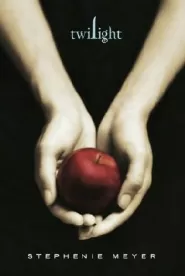
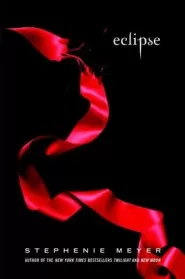
Stephenie Meyer is a name that became synonymous with the supernatural romance genre after the release of Twilight, a book that captured the imagination of millions and became a global phenomenon. With her unique blend of romance, suspense, and the supernatural, Meyer redefined the boundaries of young adult fiction and introduced the world to a new kind of love story—one that was as dangerous as it was compelling.
Born in Hartford, Connecticut, in 1973, Meyer’s early life was far from the stuff of vampire legends, yet it was full of influences that would later shape her writing. A lifelong reader and passionate storyteller, Meyer’s path to becoming a writer wasn’t immediate. She graduated from Brigham Young University with a degree in English, and it wasn’t until after she’d married and had children that the idea for Twilight came to her in a vivid dream. That dream, featuring a human girl and a vampire, sparked the beginning of a saga that would become a cultural touchstone.
What makes Meyer’s writing so captivating is her ability to tap into universal emotions—fear, desire, obsession, and love—and infuse them into characters and worlds that are both fantastical and relatable. The Twilight Saga centers on the intense, often tumultuous romance between Bella Swan and Edward Cullen, a love story set against the backdrop of dark, gothic tension and supernatural stakes. But beyond the vampire myths and werewolf lore, Meyer’s novels are deeply human, exploring themes of choice, identity, and the boundaries between light and dark.
In a genre often populated by angst and drama, Meyer’s approach was unique. Her writing is evocative and lush, pulling readers into a world where the line between reality and fantasy blurs. The Twilight Saga—comprising Twilight, New Moon, Eclipse, and Breaking Dawn—has been praised for its emotional depth and its portrayal of an all-consuming first love, while also sparking conversations about the complexities of relationships, sacrifice, and fate.
Stephenie Meyer’s books have not only captivated readers but have also garnered significant critical attention and numerous accolades. Twilight spent over 100 weeks on the New York Times Best-Seller list and was adapted into a blockbuster film series, solidifying Meyer’s status as a household name. She followed Twilight with other works, including The Host, a sci-fi novel exploring the boundaries of human consciousness, further showcasing her versatility as a storyteller.
Yet, beyond the fame and fortune, Meyer’s real achievement lies in the lasting impact she has had on modern literature. Her work created an entire cultural movement, sparking debates, inspiring new writers, and reigniting interest in young adult fiction. The Twilight saga has been translated into multiple languages and continues to find new readers, showing the timeless appeal of Meyer’s particular blend of romance, fantasy, and suspense.
Meyer has always been candid about her creative process, citing her love of literature and film, as well as her deep connection to her characters, as the driving forces behind her storytelling. In her own words, “I write to create, to share, and to find my voice,” a sentiment that reflects the very essence of her literary journey—a journey that has touched countless lives around the world.
Through her work, Stephenie Meyer has proven that great stories have the power to transcend genres, shape cultures, and leave a lasting imprint on the hearts of readers everywhere.