


Author
Ruth Ware
Ruth Ware didn’t set out to become one of today’s most recognizable voices in psychological thrillers, but her path—twisting, quiet, and layered with secrets—reads a lot like the stories she writes. Raised in the English countryside, Ware grew up with a deep love for storytelling and the eerie atmo…
Read more
Ruth Ware didn’t set out to become one of today’s most recognizable voices in psychological thrillers, but her path—twisting, quiet, and layered with secrets—reads a lot like the stories she writes. Raised in the English countryside, Ware grew up with a deep love for storytelling and the eerie atmosphere of old houses, shadowy woods, and whispered family legends. That sense of place and unease would later become the signature mood of her novels.
Before she became a household name for suspense readers, she worked in publishing and as a waitress, absorbing the textures of everyday life—how people speak when they’re nervous, what they hide in plain sight. Her breakout moment came with In a Dark, Dark Wood, a taut debut about a hen weekend gone horribly wrong. From there, she kept digging into the subtle horrors that unfold between friends, behind closed doors, or in places meant to feel safe—luxury cruises, cozy mountain getaways, sleek tech offices.
What sets Ware apart isn’t just the twisty plots, though those are reliably sharp. It’s the way she pulls you into the minds of ordinary women navigating extraordinary tension. Her narrators are rarely detectives or professionals. They’re librarians, journalists, assistants—people whose vulnerabilities feel real. Her prose is cool and precise, her pacing meticulous, but what lingers is the psychological weight. The dread. The nagging suspicion that you’ve missed something vital.
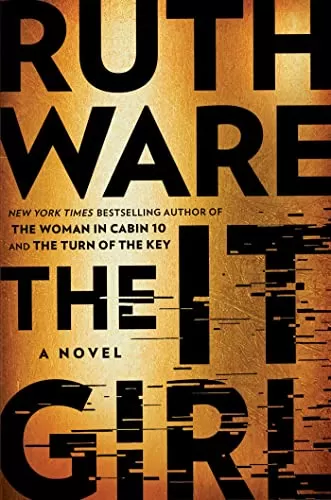
Novels like The Woman in Cabin 10, The Turn of the Key, and The It Girl have landed her on bestseller lists around the world, drawing comparisons to Agatha Christie but with a modern, often tech-savvy twist. While her stories echo classic crime elements—locked rooms, unreliable witnesses, secrets that refuse to stay buried—Ware never leans on nostalgia. Her work is firmly rooted in contemporary anxieties: surveillance, social media, the way we curate our lives and truths.
Though she now lives in Sussex, often described as the perfect backdrop for a mystery, her novels travel across landscapes and class divides. And yet, wherever her stories go, the emotional terrain remains the same: guilt, memory, trust, and the terrifying possibility that the people closest to us are not who they seem.
Ware’s writing has captivated readers who crave psychological suspense with atmosphere thick enough to touch. She doesn’t just write thrillers—she builds rooms that trap you inside, turns off the lights, and waits to see what you’ll do next.
Books by this author
11 books in this view
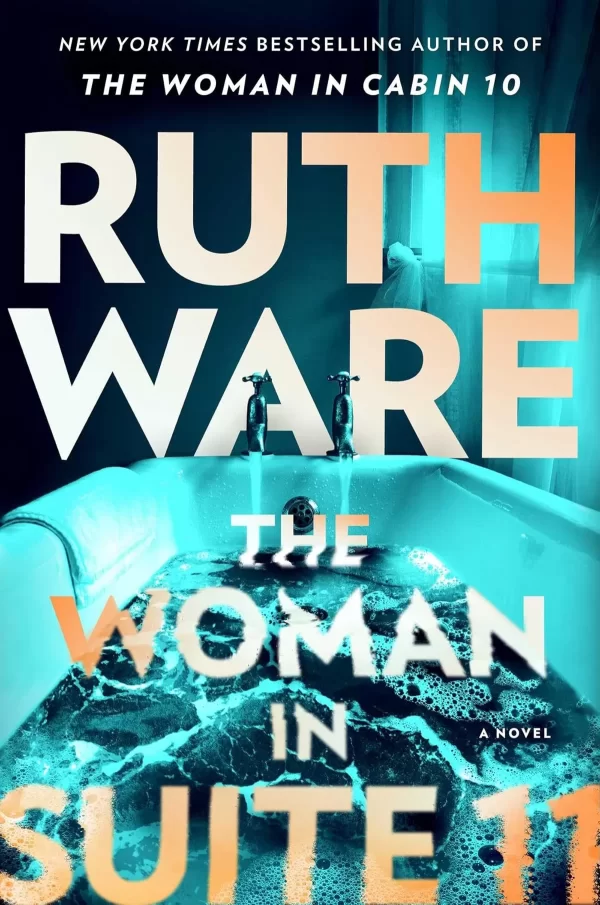
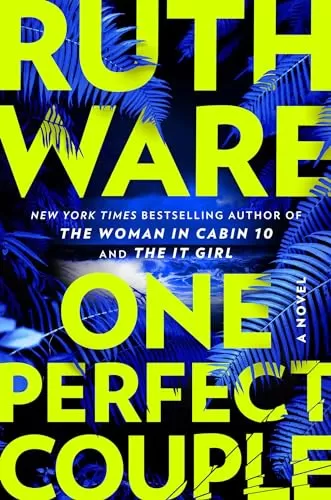
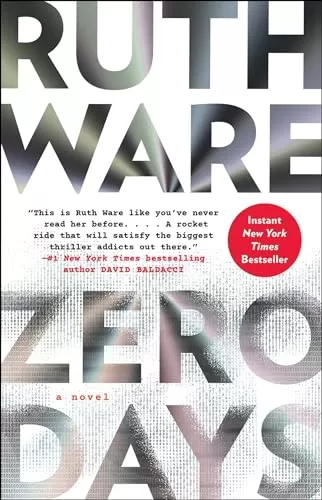
Lo Blacklock Book 3 2027 ★ 7.0/10 2 anticipation ratings Crime Fiction · Psychological Thriller · Suspense Thriller · Mystery · Thriller Lo Blacklock #3 The Woman in Suite 11 2025 ★ 8.7/10 3 ratings Crime Fiction · Psychological Thriller · Suspense Thriller · Mystery · Thriller Lo Blacklock #2 One Perfect Couple 2024 ★ 8.7/10 3 ratings Crime Fiction · Psychological Thriller · Suspense Thriller · Mystery · Thriller Zero Days 2023 ★ 8.7/10 3 ratings Crime Fiction · Psychological Thriller · Suspense Thriller · Mystery · Thriller The It Girl 2022 ★ 8.0/10 3 ratings Crime Fiction · Psychological Thriller · Suspense Thriller · Mystery · Thriller 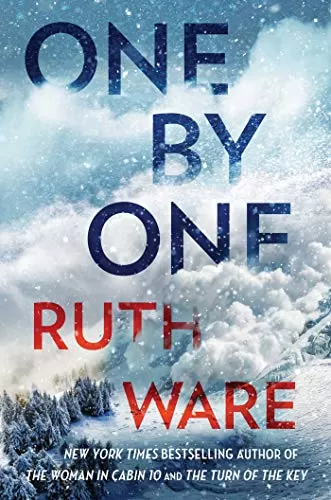 One by One 2020 ★ 8.5/10 2 ratings Crime Fiction · Psychological Thriller · Suspense Thriller · Mystery · Thriller
 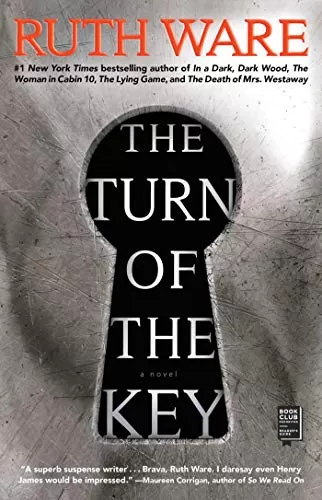 The Turn of the Key 2019 ★ 8.7/10 3 ratings Crime Fiction · Psychological Thriller · Suspense Thriller · Mystery · Thriller
 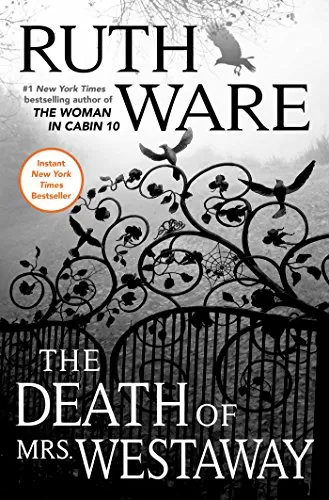 The Death of Mrs. Westaway 2018 ★ 8.3/10 3 ratings Crime Fiction · Psychological Thriller · Suspense Thriller · Mystery · Thriller
 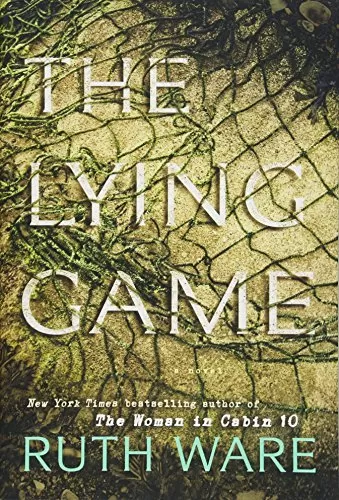 The Lying Game 2017 ★ 8.0/10 3 ratings Crime Fiction · Psychological Thriller · Suspense Thriller · Mystery · Thriller
 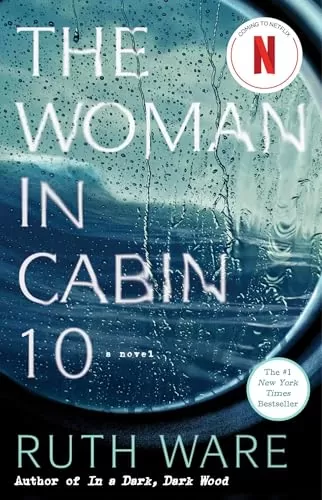 The Woman in Cabin 10 2016 ★ 8.3/10 3 ratings Crime Fiction · Psychological Thriller · Suspense Thriller · Mystery · Thriller Lo Blacklock #1
 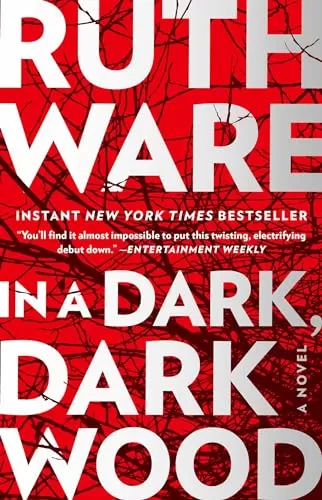 In a Dark, Dark Wood 2015 ★ 7.3/10 4 ratings Crime Fiction · Psychological Thriller · Suspense Thriller · Mystery · Thriller
 THE AUTHOR’S WORLDS