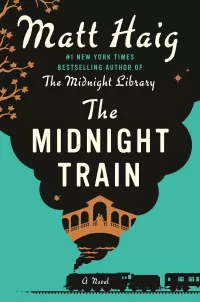
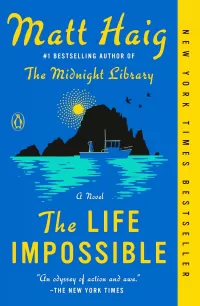
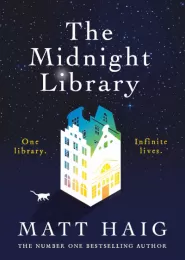
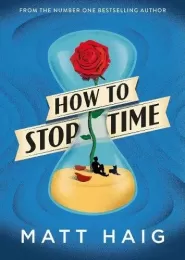
Matt Haig doesn’t just write stories—he opens doors. Sometimes to alternate realities, sometimes to the quiet corners of the mind, but always to something profoundly human. Whether through the time-slipping wonder of The Midnight Library, the melancholic wisdom of How to Stop Time, or the raw vulnerability in Reasons to Stay Alive, his work pulses with the question: what does it mean to be alive—and how do we bear it?
His writing walks the delicate line between the real and the surreal, where fantasy isn’t escapism but a lens to look inward. In Haig’s world, time travel becomes a metaphor for regret, parallel lives explore mental health with empathy, and even the darkest moments are treated with a tender kind of defiance. His prose is deceptively simple—accessible yet poetic, the kind that leaves quiet echoes long after the final page.
Born in Sheffield and shaped by a life that’s included both creative success and personal crisis, Haig doesn’t shy away from the difficult stuff. His own experience with depression and anxiety informs not only his nonfiction but also the emotional undercurrent of his fiction. He’s built a body of work that speaks to those standing at the edge, reminding them that even the smallest reasons for hope matter.
While Haig has found global recognition—with translations in dozens of languages and a loyal following that spans genres—what truly sets him apart is his ability to meet readers where they are. Whether someone is looking for a book to understand their sadness or simply to see the beauty in an ordinary day, his work offers a kind of literary companionship that’s rare.
In a noisy world, Matt Haig writes with clarity and compassion. His books are more than stories—they’re lifelines, offered gently to those who need them.