


Author
John Gwynne
In the world of epic fantasy, few voices echo with as much raw heart and thunder as John Gwynne’s. His stories aren’t just told—they're lived through the grit of the battlefield, the quiet strength of loyalty, and the blood-oath bonds of family. With every book, he builds worlds forged in ancient m…
Read more
In the world of epic fantasy, few voices echo with as much raw heart and thunder as John Gwynne’s. His stories aren’t just told—they're lived through the grit of the battlefield, the quiet strength of loyalty, and the blood-oath bonds of family. With every book, he builds worlds forged in ancient myth and sharpened by very human truths: courage, loss, honor, and vengeance. It's not surprising that his novels, including The Faithful and the Fallen, Of Blood and Bone, and The Bloodsworn Saga, have carved a place among modern fantasy’s most beloved sagas.
But behind the battle cries and berserker rage lives a man whose own life pulses with as much color and grit as the pages he writes. Born in Singapore while his father served in the Royal Air Force, John grew up traveling the world before settling on the windswept south coast of the UK. There, between the sea breeze and the clang of mail armor (yes, he’s a Viking re-enactor), his imagination took root.
John’s writing is grounded in his love of Norse mythology and the timeless themes of fate, faith, and found family. His prose is visceral yet lyrical, often dancing between heartbreak and hope. It's no coincidence that fans often say they feel every sword strike, every betrayal, and every quiet, sacred moment in his books. These aren’t just epic fantasies—they’re emotional epics.
Before he was a full-time author, John wore many hats: university lecturer, soap factory worker, rock ’n’ roll bassist. But it’s the role of father and shield brother that shapes much of his storytelling. He writes surrounded by the warm chaos of family life—three sons, a daughter, several dogs, a horse, and, famously, a lamb who thinks she’s one of the pack.
His debut novel Malice didn’t just introduce readers to a new world—it stormed into the genre, winning the David Gemmell Morningstar Award for Best Debut. Since then, his readership has grown into a loyal warband, eagerly awaiting each new clash of gods, monsters, and mortals.
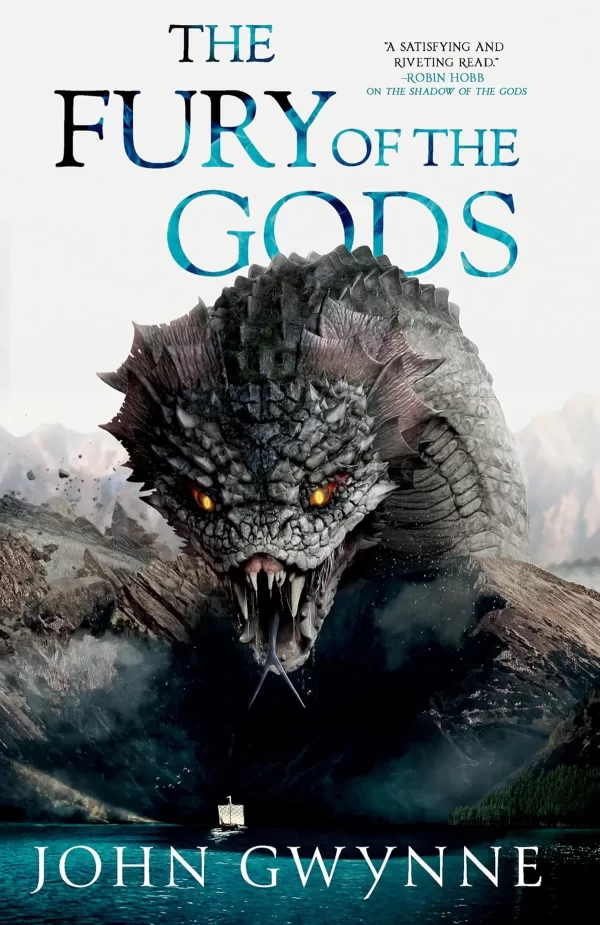
In 2021, John's life took a devastating turn with the loss of his daughter, Harriett. He stepped away from writing to grieve, but when he returned, it was with a renewed sense of purpose—channeling love, sorrow, and resilience into The Fury of the Gods, a finale that now holds deeper meaning for him and for readers who have walked beside his characters through every triumph and tragedy.
As John once said, “Fantasy is the mirror we hold to the soul.” In his case, that mirror reflects a storyteller whose tales are as fierce and tender as life itself.
Books by this author
12 books in this view
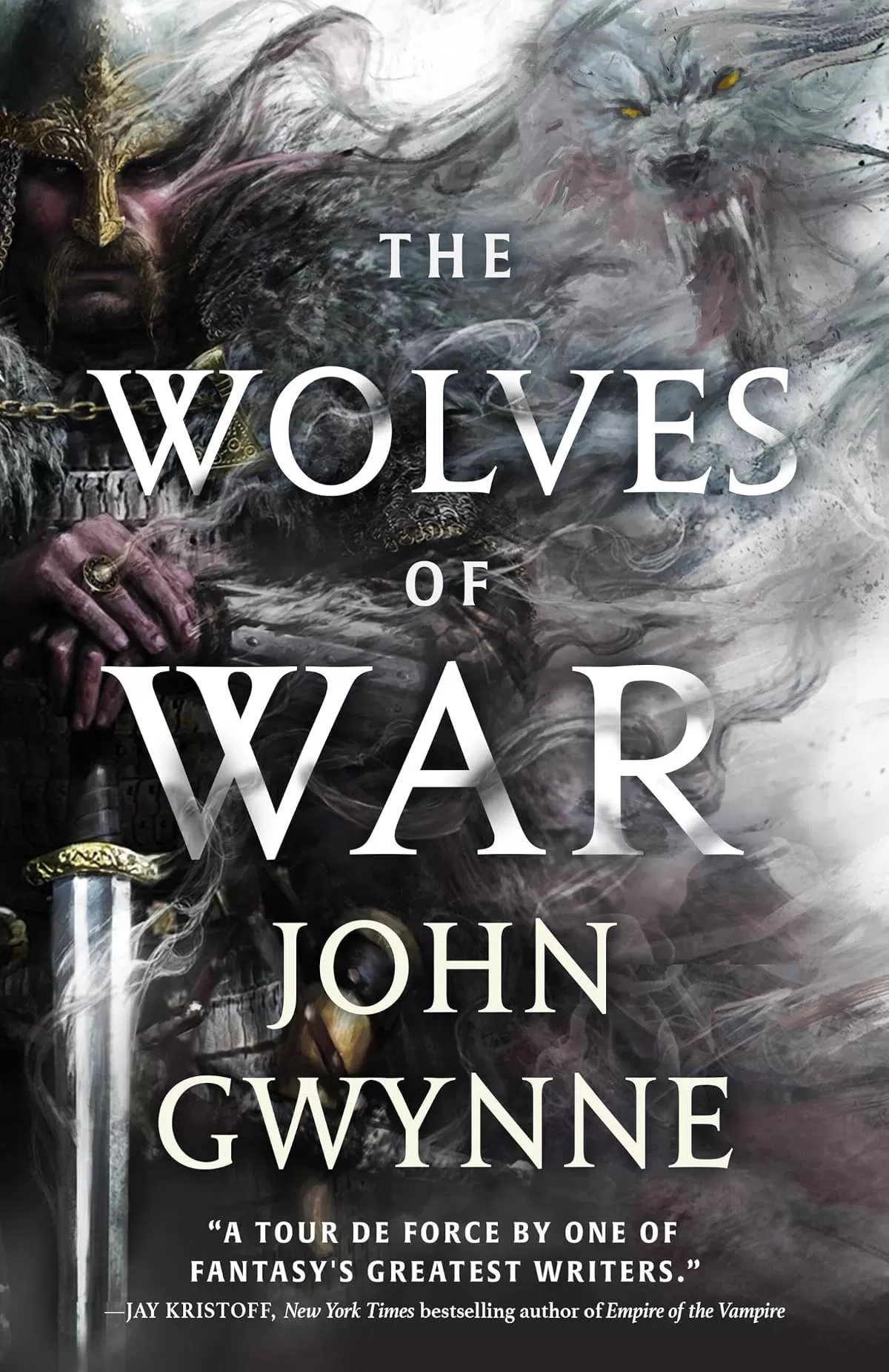
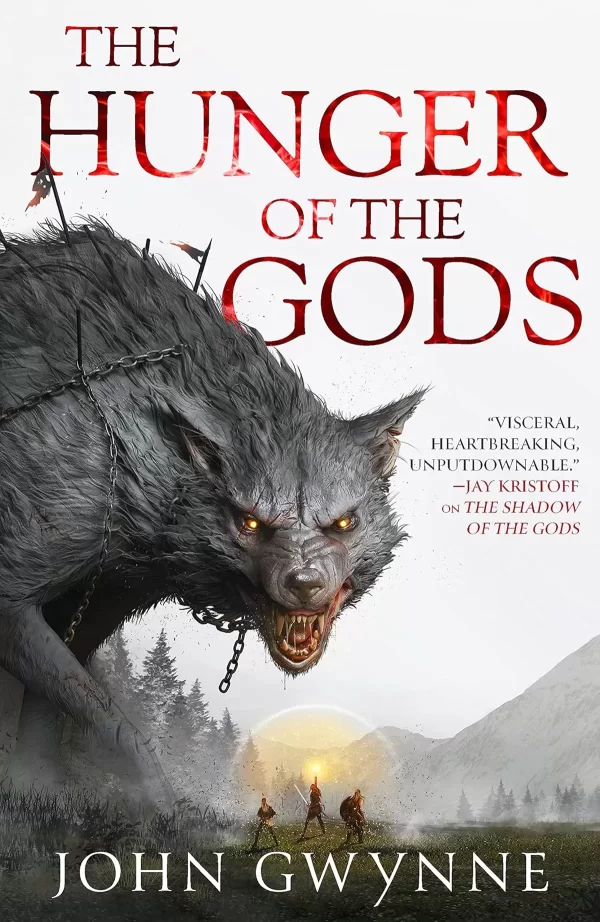
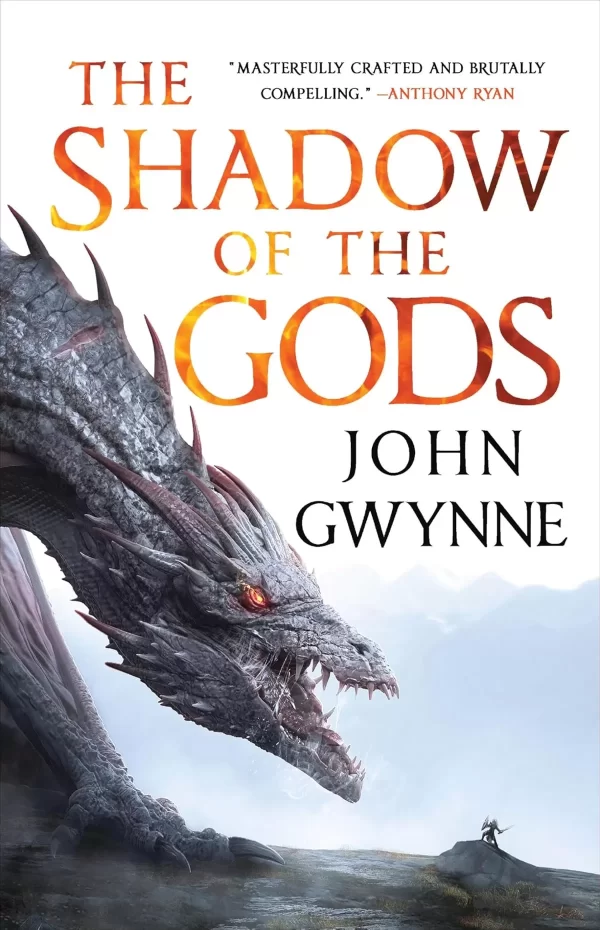
The Wolfheart Chronicles Book 2 2027 ★ 10.0/10 1 anticipation rating Fantasy · Epic Fantasy · Mythology The Wolfheart Chronicles #2 The Wolves of War 2026 ★ 10.0/10 1 anticipation rating Fantasy · Epic Fantasy · Mythology The Wolfheart Chronicles #1 The Fury of the Gods 2024 ★ 8.3/10 4 ratings Fantasy · Epic Fantasy · High Fantasy Bloodsworn Saga #3 The Hunger of the Gods 2022 ★ 9.2/10 5 ratings Fantasy · Epic Fantasy · High Fantasy Bloodsworn Saga #2 The Shadow of the Gods 2021 ★ 8.9/10 7 ratings Fantasy · Epic Fantasy · High Fantasy Bloodsworn Saga #1 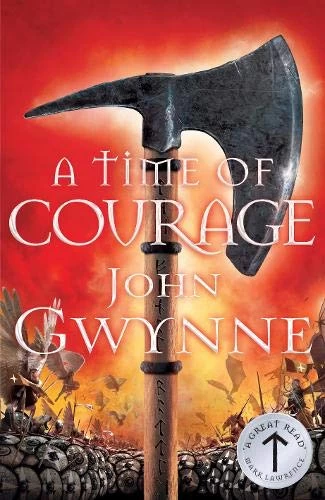 A Time of Courage 2020 ★ 9.5/10 2 ratings Fantasy · Epic Fantasy · High Fantasy Of Blood and Bone #3
 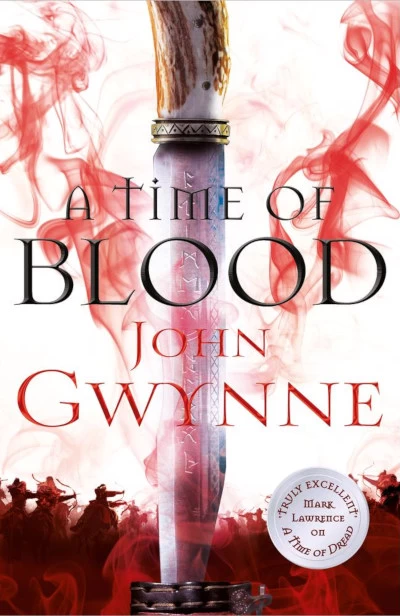 A Time of Blood 2019 ★ 9.0/10 3 ratings Fantasy · Epic Fantasy · High Fantasy Of Blood and Bone #2
 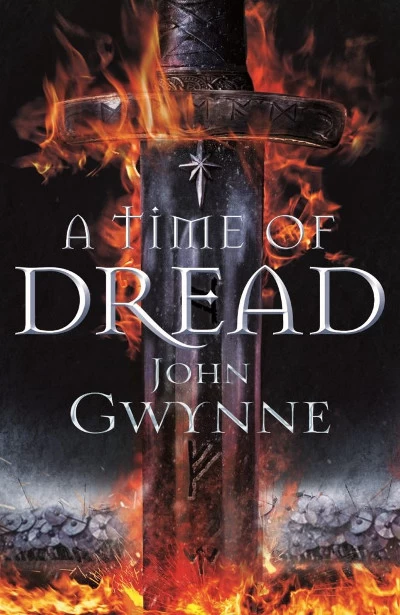 A Time of Dread 2018 ★ 8.5/10 4 ratings Fantasy · Epic Fantasy · High Fantasy Of Blood and Bone #1
 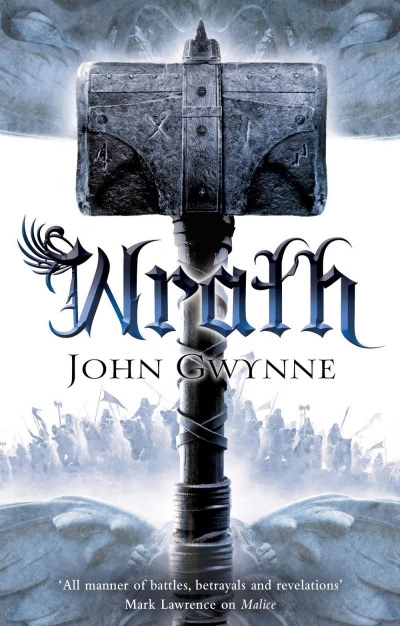 Wrath 2016 ★ 9.8/10 5 ratings Fantasy · Epic Fantasy · High Fantasy The Faithful and the Fallen #4
 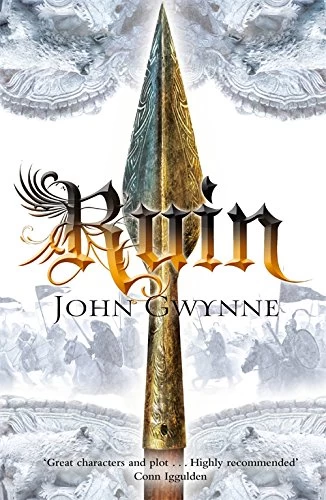 Ruin 2015 ★ 8.4/10 7 ratings Fantasy · Epic Fantasy · High Fantasy The Faithful and the Fallen #3
 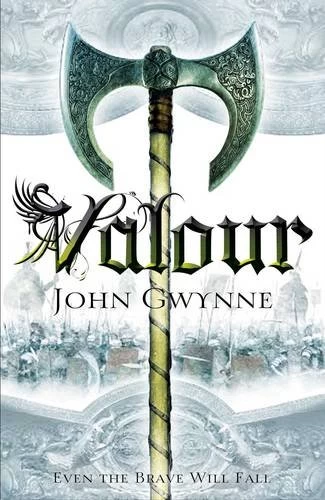 Valour 2014 ★ 8.6/10 11 ratings Fantasy · Epic Fantasy · High Fantasy The Faithful and the Fallen #2
 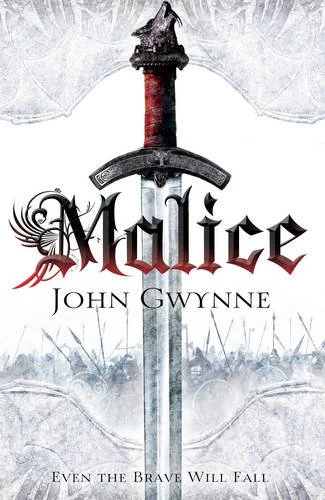 Malice 2012 ★ 9.1/10 12 ratings Fantasy · Epic Fantasy · High Fantasy · David Gemmell Award The Faithful and the Fallen #1
THE AUTHOR’S WORLDS