Floating Worlds
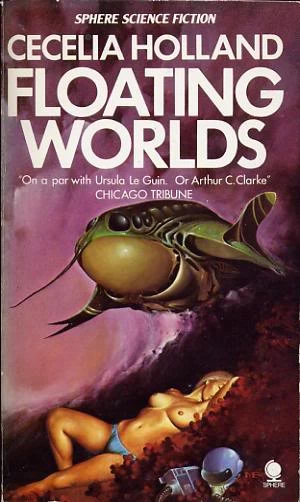
"On a par with Ursula LeGuin or Arthur C. Clarke." – Chicago Tribune
"A magnificent novel.a colossal achievement.an instant contemporary classic." – Science Fiction Review
"An SF masterpiece." – Kim Stanley Robinson
When
the Styths, a powerful and aggressive race of mutants from Uranus and
Saturn, launch pirate raids on ships from Mars, Earth's Committee for
the Revolution sets out to negotiate peace. The task falls to the
resourceful and unpredictable Paula Mendoza. The initial meetings hold
little hope for success – until Paula adopts a less conventional
approach and appears to obtain her objective.
But, the consequences for Paula prove considerable, when she finds herself on the floating cities of the Gas Planets, the tenuous, and only, link between Earth and the Styth Empire. A profoundly moving portrait of one determined and strong-willed woman.
Readers also enjoyed



Cecelia Holland
Cecelia Holland (born 1943) began writing at age 12, and had finished three novels by 17! She received a BA from Connecticut College and briefly attended grad school at Columbia University, but dropped out to work in a bookstore in Manhattan. She published first novel Firedrake in 1966 and has been a full-time writer ever since.
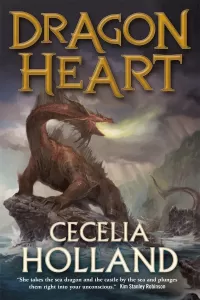
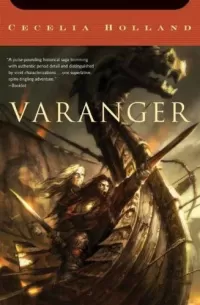
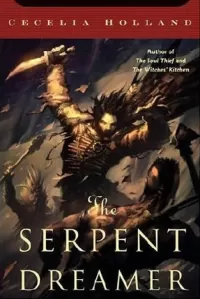
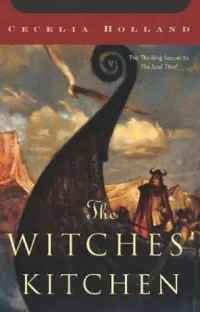
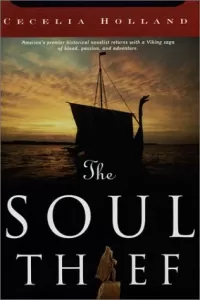
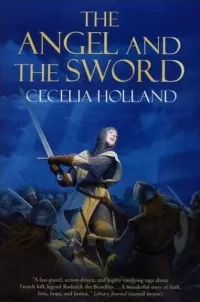
Though she is the author of one out-and-out SF novel, Floating Worlds (1976), most of Cecelia Holland's more than two dozen books are historical fiction, set in a wide variety of times and places. Her historical novels, some of which contain fantastic elements, include Rakóssy (1967), Two Ravens (1977), The Bear Flag (1990) and many others. Recent books include historical fantasy The Angel and the Sword (2000), and a historical fantasy series about Vikings and the New World in the tenth century: The Soul Thief (2002), The Witches' Kitchen (2004), The Serpent Dreams (2005) and Varanger (2008).
More books by Cecelia Holland