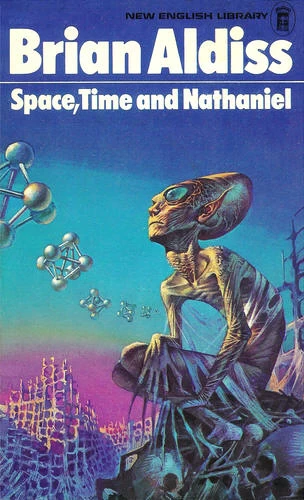
Space, Time and Nathaniel
SPACE..
T – the near-mindless inhabitant of a time-machine built by an ancient race of non-humans – has one very simple task in life. His mission is to obliterate one of the solar system's planets!
TIME...
Every day, Rodney Furnell awakes to a groaning bedspring. Every day, as the September mists lift, he leans over and gently kisses his wife's forehead. Every day an audience laughs at him!
NATHANIEL...
He is told the greatest success story in the history of the universe – how a single man transformed and bought prosperity to a backward planet by becoming the ultimate bureaucrat...
Contents:
- Introduction
- SPACE
- T
- Our Kind of Knowledge
- Psyclops
- Conviction
- TIME
- Not For An Age
- The Shubshub Race
- Criminal Record
- The Failed Men
- NATHANIEL and other people
- Supercity
- There is a Tide
- Pogsmith
- Outside
- Panel Game
- Dumb Show
Get the book Buy or listen
Risingshadow