Gilgamesh
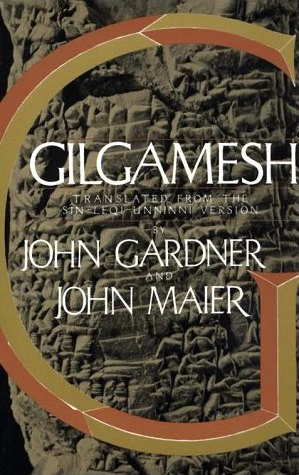
Translated by John Gardner and John Maier.
The story of Gilgamesh, an ancient epic poem written on clay tablets in a cuneiform alphabet, is as fascinating and moving as it is crucial to our ability to fathom the time and the place in which it was written. Gardner's version restores the poetry of the text and the lyricism that is lost in the earlier, almost scientific renderings. The principal theme of the poem is a familiar one: man's persistent and hopeless quest for immortality. It tells of the heroic exploits of an ancient ruler of the walled city of Uruk named Gilgamesh. Included in its story is an account of the Flood that predates the Biblical version by centuries. Gilgamesh and his companion, a wild man of the woods named Enkidu, fight monsters and demonic powers in search of honor and lasting fame. When Enkidu is put to death by the vengeful goddess Ishtar, Gilgamesh travels to the underworld to find an answer to his grief and confront the question of mortality.
Readers also enjoyed





John Champlin Gardner
John Champlin Gardner, Jr. (1933–1982) was a well-known and controversial American novelist and university professor, best known for his novel Grendel, a retelling of the Beowulf myth.
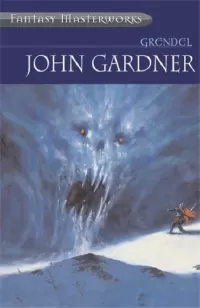
John Gardner's best known novels include: The Sunlight Dialogues, a novel about a brooding, disenchanted policeman who is asked to engage a madman fluent in classical mythology; Grendel, a retelling of the Beowulf legend from the monster's point of view; and October Light, a novel about an aging and embittered brother and sister living and feuding together in rural Vermont. This last novel won the National Book Critics' Circle Award in 1976. Each book features brutish, isolated figures struggling for integrity and understanding in an unforgiving society.
More Books John Champlin Gardner