
The Clock of the Centuries
- Publication
- 2008
- Original title
- L\'horloge des siècles
The Clock of the Centuries
The original novel was published in 1902. Translated by Brian Stableford.
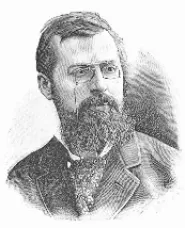
Of all the authors who followed in the footsteps of Jules Verne, the most important was Albert Robida (1848-1926), a writer-artist who also became the founding father of science fiction illustration. Robida wrote and illustrated his own scientific anticipations, such as The Adventures of Saturnin Farandoul (1879) and The Twentieth Century (1883). The Clock of the Centuries, originally published in 1902, is notable as the first full-length literary account of time in reverse. In it, time starts running backwards, the dead come back to life and society is thrown into chaos. It is more ambitious and adventurous in its speculative range and verve than its modern-day successors, Philip K. Dick's 1967 Counter-Clock World and Brian W. Aldiss's Cryptozoic.
This volume also includes Robida's novella Yesterday Now (1890), in which an 1890 scientist brings the Sun King Louis XIV and his court into the future for the Paris Universal Exposition.