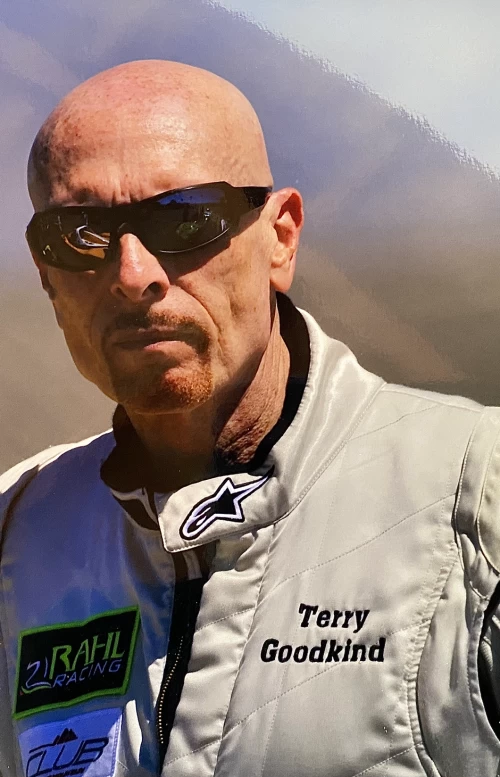
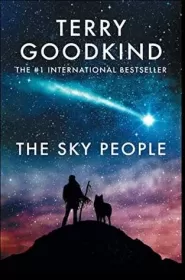
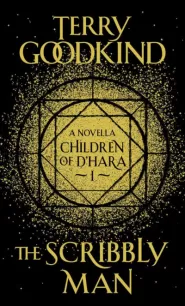
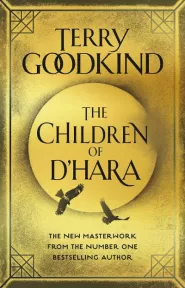
In the sprawling landscape of epic fantasy, where morality twists through magic and kingdoms fall with the weight of a whispered truth, Terry Goodkind carved out a path that was wholly his own—bold, uncompromising, and unafraid to challenge the genre’s conventions.
Best known for The Sword of Truth series, Goodkind didn’t just write about heroes—he built a philosophy into their bones. At the heart of his sprawling saga is Richard Rahl, a woods guide turned reluctant leader whose journey unfolds not merely as an adventure, but as a study in reason, free will, and personal responsibility. Where many fantasy authors lean into myth and fate, Goodkind leaned into choice. He wove moral clarity through moral complexity, demanding that readers grapple with not just what is right, but why.
Born in Omaha, Nebraska, and trained as a woodworker and artist, Goodkind came to writing later in life—and without formal education in literature. That outsider perspective gave his voice a raw originality, unconcerned with trends or expectations. When Wizard’s First Rule debuted in 1994, it arrived like a storm—towering in scope, rich in worldbuilding, and fiercely philosophical. The series would go on to span over a dozen novels, selling millions of copies worldwide and inspiring a television adaptation (Legend of the Seeker), though fans will tell you the books cut deeper.
Goodkind’s themes often stirred debate—he didn’t shy away from exploring individualism, objectivist thought, or the darker corners of human nature. To some, he was a provocateur; to others, a visionary. But to the readers who found themselves changed by his work, he was a guide through a fantasy world that asked them to think, question, and ultimately believe in the power of their own convictions.
Until his passing in 2020, Goodkind continued to write stories that burned with the same intensity as his first. Whether set in the familiar lands of D’Hara or in darker, modern fantasies like The Girl in the Moon, his work never stopped challenging the line between good and evil—or reminding us that, in the end, the most dangerous weapon is a free mind.