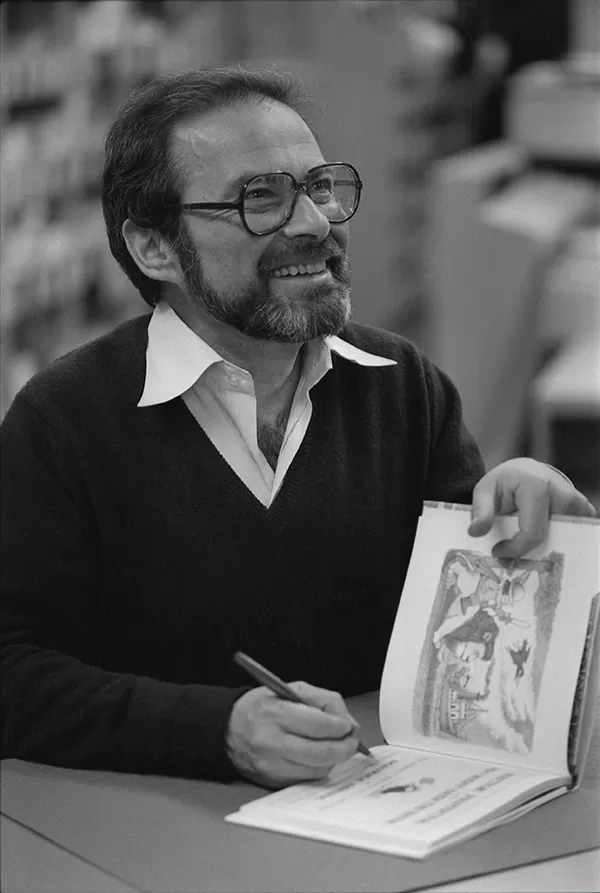
Maurice Sendak (1928 to 2012) was one of the most influential creators of children's literature of the twentieth century, celebrated for stories that embrace imagination, curiosity, fear, and wonder with unusual honesty. Rather than presenting childhood as a carefree fantasy, his books acknowledge the emotional complexity of growing up, inviting young readers to explore both dreams and difficult feelings through unforgettable characters and richly detailed illustrations.
Born in Brooklyn, New York, to Polish Jewish immigrant parents, Sendak developed a passion for drawing at an early age. His artistic style was shaped by classic fairy tales, comic strips, music, and European illustration traditions. After beginning his career as an illustrator in the 1950s, he gradually became recognized as both an author and artist whose work challenged conventional ideas about children's books.
His best-known work, Where the Wild Things Are (1963), transformed modern picture books with its vivid artwork, sparse yet powerful storytelling, and memorable journey into the land of the Wild Things. Initially controversial for its portrayal of childhood anger and imagination, the book has since become a beloved classic around the world. Sendak also created acclaimed titles such as In the Night Kitchen and Outside Over There, together forming a body of work that continues to inspire readers, educators, artists, and writers.
Beyond books, Sendak designed sets and costumes for opera and ballet productions and collaborated on numerous theatrical projects. Throughout his career he received many prestigious honors, including the Caldecott Medal, the Hans Christian Andersen Medal for Illustration, and the Astrid Lindgren Memorial Award, recognizing his lasting contribution to children's literature and illustration.
Maurice Sendak's stories remain timeless because they respect the emotional lives of children. His books encourage readers to face fear, embrace imagination, and discover that even the wildest adventures can lead safely back home.