

Author
Moniquill Blackgoose
Moniquill Blackgoose writes fantasy from a perspective that was largely missing from the genre when she first fell in love with it. An enrolled member of the Seaconke Wampanoag Tribe and a lineal descendant of Ousamequin Massasoit, she began writing science fiction and fantasy at twelve. As she lat…
Read more
Moniquill Blackgoose writes fantasy from a perspective that was largely missing from the genre when she first fell in love with it. An enrolled member of the Seaconke Wampanoag Tribe and a lineal descendant of Ousamequin Massasoit, she began writing science fiction and fantasy at twelve. As she later reflected, the stories she encountered as a young reader rarely allowed Indigenous people to exist as central characters in fantasy, an absence that eventually became an important part of what she wanted to change through her own work.
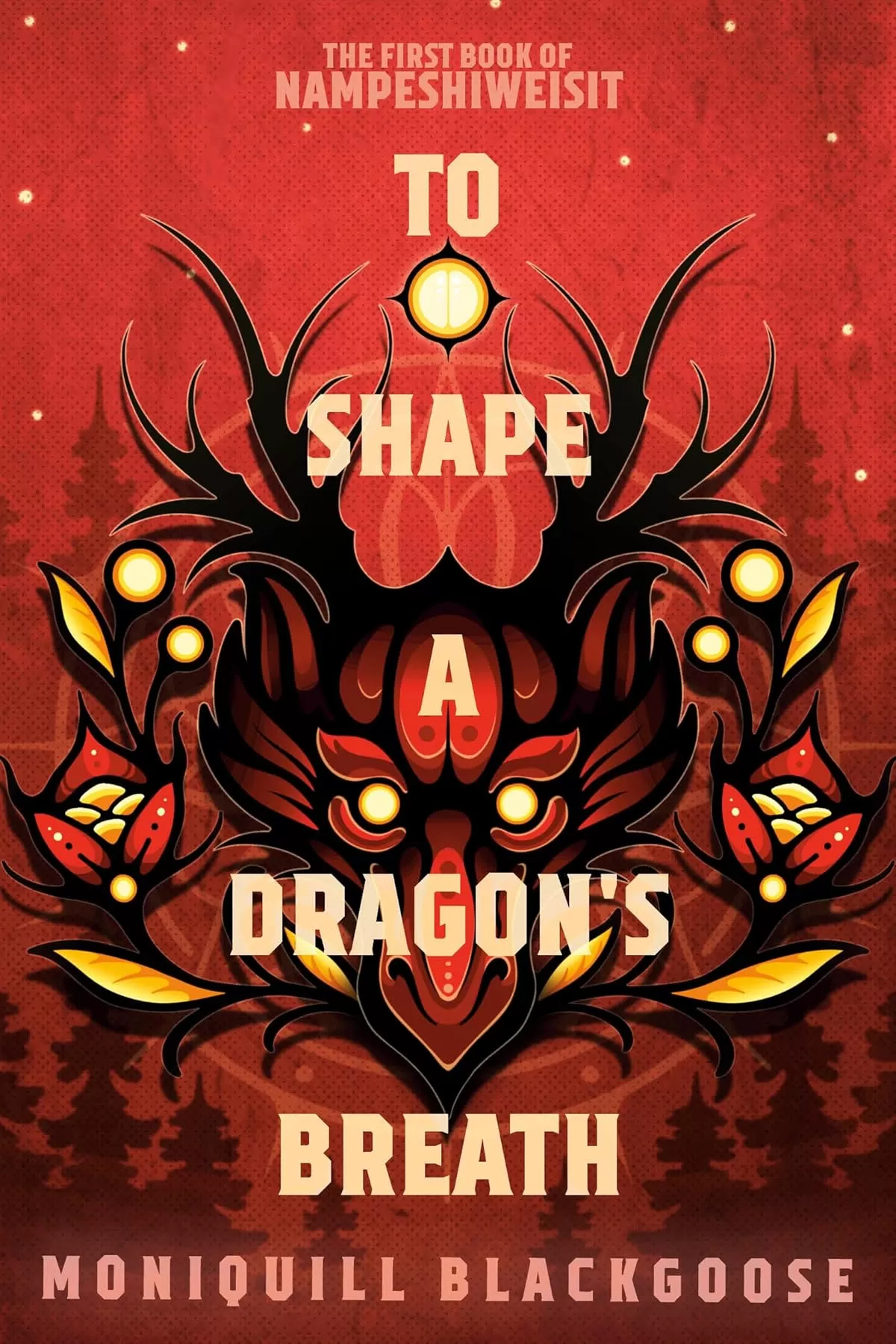
That perspective is at the heart of her fiction. Her debut novel, To Shape a Dragon's Breath, places an Indigenous teenager at the center of a richly imagined alternate-history fantasy, using dragons, magic, and a school setting to explore cultural identity, assimilation, colonialism, and radically different ways of understanding the world. Rather than treating Indigenous culture as an accessory to a familiar fantasy setting, Blackgoose builds the story around an Indigenous worldview and lets its values shape the characters, relationships, and conflicts.
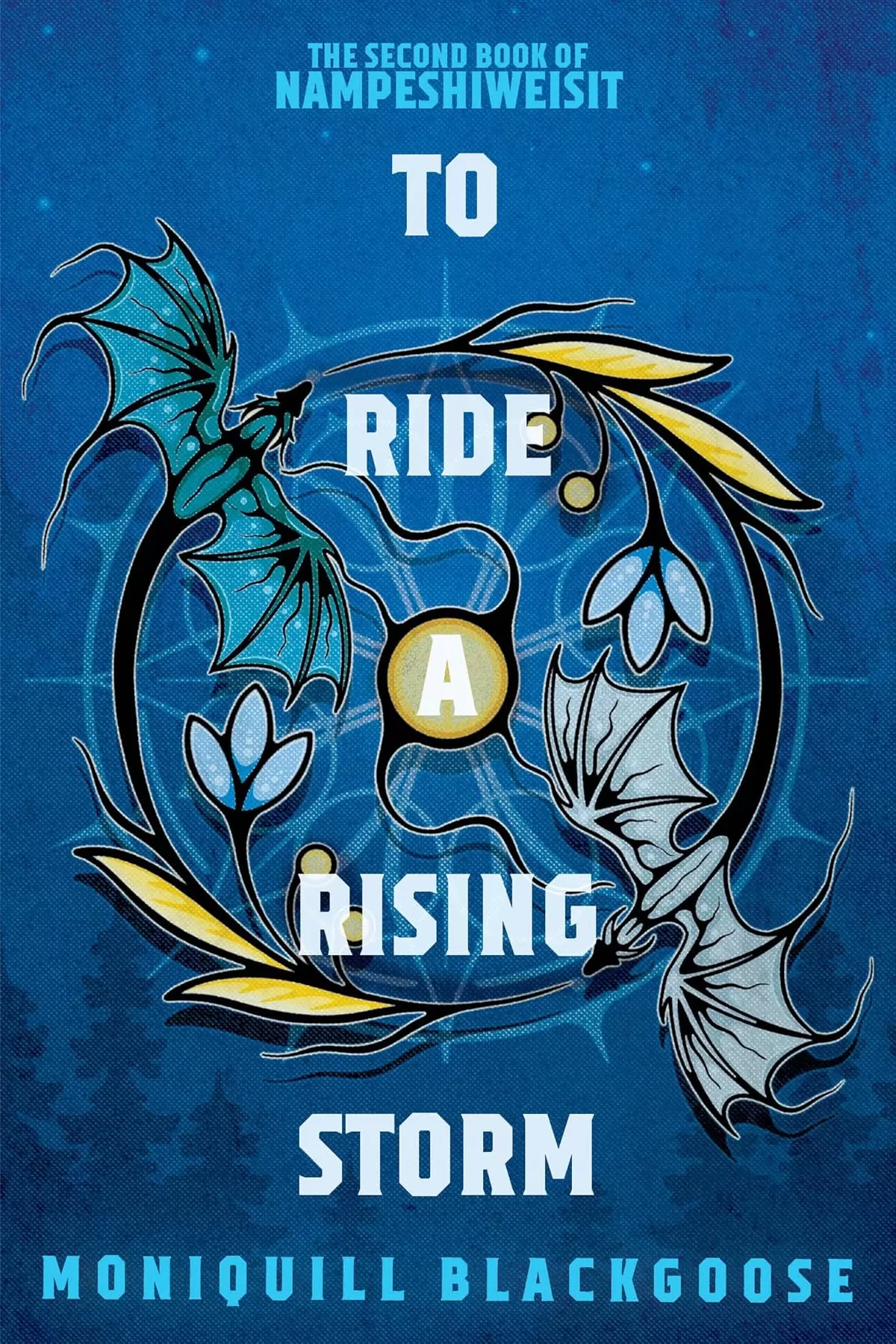
The approach quickly established her as an important new voice in speculative fiction. To Shape a Dragon's Breath became a national bestseller and won the Astounding, Nebula, and Lodestar Awards, while also receiving nominations for the Locus and British Fantasy Newcomer Awards. Its success led into To Ride a Rising Storm, which continues Anequs's story while widening the series' focus from the pressures of an Anglish academy to the struggle for her people's right to govern themselves.
Her influences range widely. She has cited Mary Shelley and Jane Austen for their prose and nineteenth-century narrative style, Ursula K. Le Guin and Octavia Butler for world-building, and Anne McCaffrey and Naomi Novik for their approaches to dragons. That mixture helps explain the particular character of her fiction: thoughtful and politically aware, but still deeply interested in the sheer wonder of speculative storytelling.
Outside her novels, Blackgoose has written and spoken extensively about the representation of Indigenous and Indigenous-coded characters in science fiction and fantasy. She is also an avid costumer and active member of the steampunk community, interests that sit naturally alongside her fascination with speculative worlds and alternative histories. Her work ultimately asks a deceptively simple question: what might fantasy look like when the people who were historically pushed to the margins are instead allowed to define the world themselves?
Books by this author
3 books in this view
Nampeshiweisit Book 3 2027 ★ 9.5/10 4 anticipation ratings Fantasy · Dragons · Young Adult Nampeshiweisit #3 To Ride a Rising Storm 2026 Fantasy · Dragons · Young Adult Nampeshiweisit #2 To Shape a Dragon's Breath 2023 ★ 10.0/10 1 ratings Fantasy · Dragons · Young Adult Nampeshiweisit #1THE AUTHOR’S WORLDS