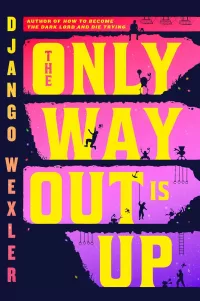
Before Django Wexler ever conjured the rise and fall of empires on the page, he was building imaginary worlds from the ground up—first with tabletop games, then with code. Trained as a software engineer and once immersed in the analytical world of artificial intelligence, Wexler eventually found that the logic of machines couldn’t quite satisfy his appetite for storytelling. So he turned to fantasy—not as escape, but as architecture for human complexity. That shift sparked the beginning of a writing career that now spans multiple acclaimed series and a growing reputation for breathing new life into epic fantasy and military fiction alike.
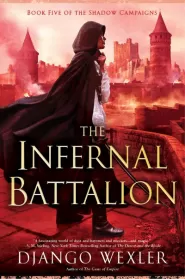
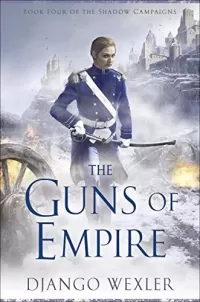
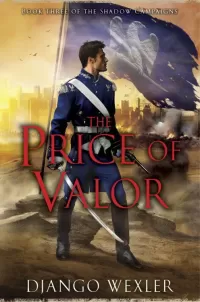
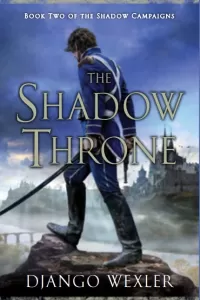
Wexler first drew notice with The Thousand Names, the explosive opener to The Shadow Campaigns, a series that blends Napoleonic warfare with arcane mystery. But it wasn’t just the magic or the gunpowder that caught readers’ attention—it was the way he gave weight to politics, personal identity, and moral ambiguity. His characters, often torn between duty and conscience, anchor the sprawling conflicts in something deeply human. Wexler writes with an eye for strategy and a heart for storytelling, layering his battles not just with blood and steel, but with consequence.
Born in New York and educated at Carnegie Mellon University, Wexler brings a sharp intellect to everything he writes. His background in computer science might explain his precision, but his imagination runs riot—in the best way possible. Whether he’s crafting middle-grade fantasies like The Forbidden Library or delving into the YA realm with Ship of Smoke and Steel, he adapts his voice effortlessly while holding fast to the core of what draws readers in: immersive worlds, resilient protagonists, and a refusal to take the easy narrative path.
Wexler’s Burningblade & Silvereye trilogy further cemented his place in modern fantasy, with its genre-bending fusion of science fiction and swordplay. Here, again, he challenged conventions—not just with plot twists, but with explorations of memory, identity, and power that linger long after the final page.
In a genre that often leans on the familiar, Django Wexler makes bold choices. His work doesn’t just entertain—it interrogates the systems, loyalties, and legends that shape his characters’ lives. And while dragons and duels might draw you in, it’s his grasp of nuance—of the quiet betrayals and unspoken fears—that makes his stories feel startlingly real.
For readers who crave fantasy with muscle, heart, and a mind behind every move, Wexler’s writing offers a rare combination: intellectual without being cold, epic without losing sight of the individual. He’s not here to follow a map—he’s drawing new ones.