

Author
Nnedi Okorafor
Before Africanfuturism had a name, Nnedi Okorafor was already weaving its tapestry—melding ancient myth with high-tech dreams, and reshaping what speculative fiction could look like when rooted in African cultures rather than merely referencing them. Her stories aren’t just tales of distant planets…
Read more
Before Africanfuturism had a name, Nnedi Okorafor was already weaving its tapestry—melding ancient myth with high-tech dreams, and reshaping what speculative fiction could look like when rooted in African cultures rather than merely referencing them. Her stories aren’t just tales of distant planets or magical beings; they’re fiercely alive, humming with ancestral memory, political edge, and the uncanny rhythm of the unexpected.
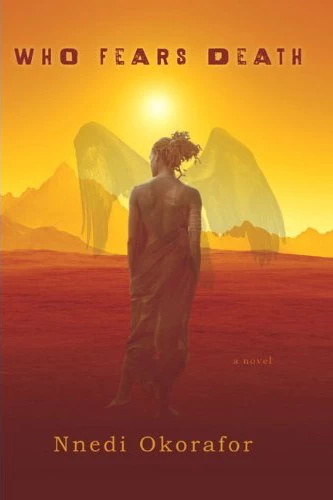
Born in the United States to Nigerian immigrant parents, Okorafor has always stood at the crossroads of cultures—and that liminal space pulses through her work. Whether it’s a semi-sentient spaceship shaped like a giant shrimp (Binti), or a Nigerian girl wielding ancestral powers in the shadow of climate catastrophe (Who Fears Death), her narratives defy the conventions of both Western science fiction and traditional fantasy. They don’t just bend genre—they build new worlds from the bones of old ones.
Her writing often explores identity, trauma, empowerment, and the fluid boundaries between technology and tradition. Language in her books dances—sometimes spare, sometimes lyrical, always sharp. Readers come for the speculative wonder but stay for the haunting depth and bold originality.
Okorafor’s impact has been felt across continents. Her novels and novellas have earned the Hugo, Nebula, and World Fantasy Awards—not as badges of validation, but as proof that there is a deep hunger for stories told from different vantage points. Beyond fiction, she’s also expanded her vision into comics, most notably writing for Marvel’s Black Panther: Long Live the King and Shuri.
More than an author, she’s become a beacon for a new generation of writers who see no reason why African folklore, alien technology, and fierce female protagonists shouldn’t coexist on the same page.
To read her work is to cross thresholds—between cultures, genres, and futures not yet written.
Books by this author
19 books in this view
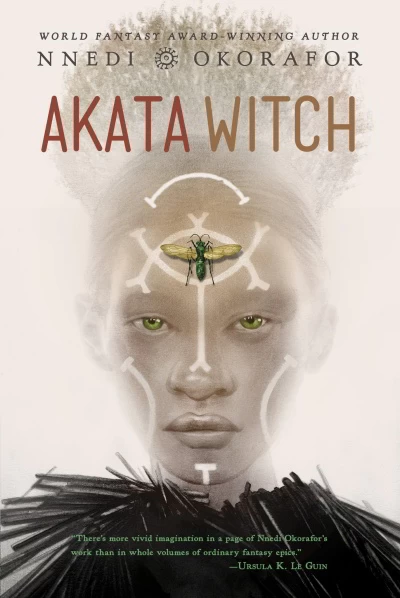
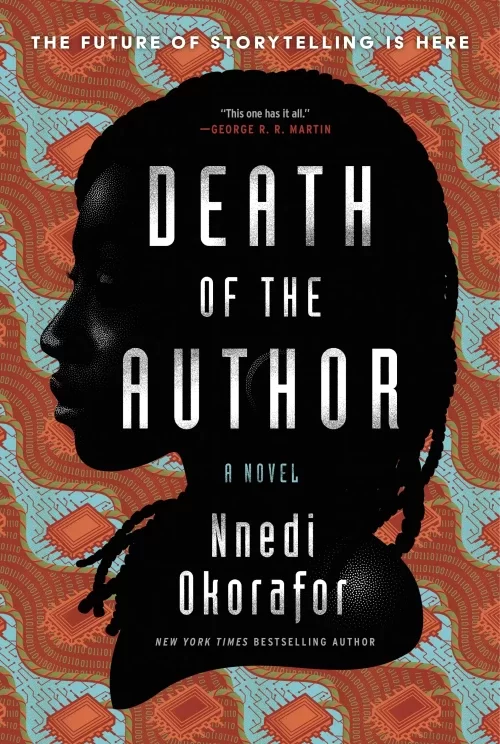
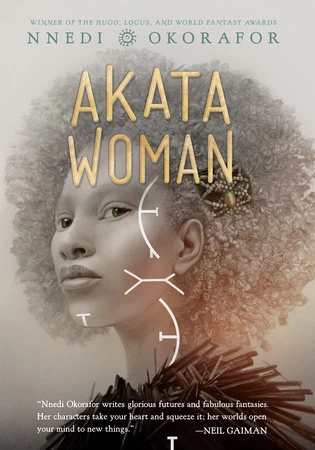
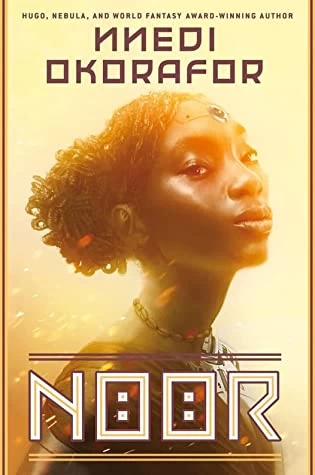
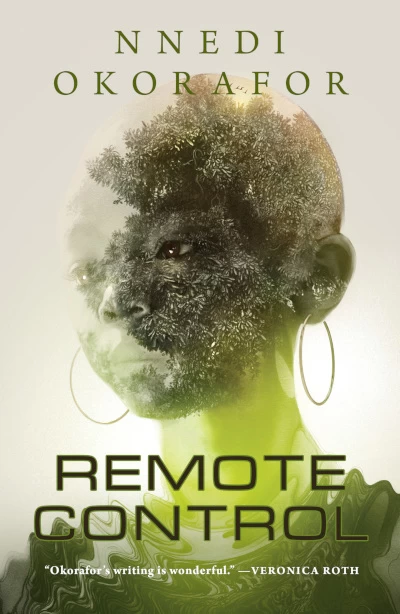
The Nsibidi Scripts Book 4 2027 9.8/1012 anticipation ratings Fantasy · Young Adult The Nsibidi Scripts #4 Death of the Author 2025 Science Fiction Akata Woman 2022 10/101 ratings Fantasy · Young Adult The Nsibidi Scripts #3 Noor 2021 Science Fiction Remote Control 2021 Fantasy 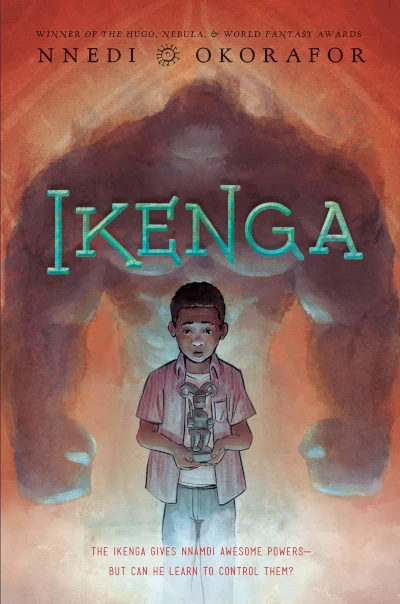 Ikenga 2020 Fantasy · Young Adult
 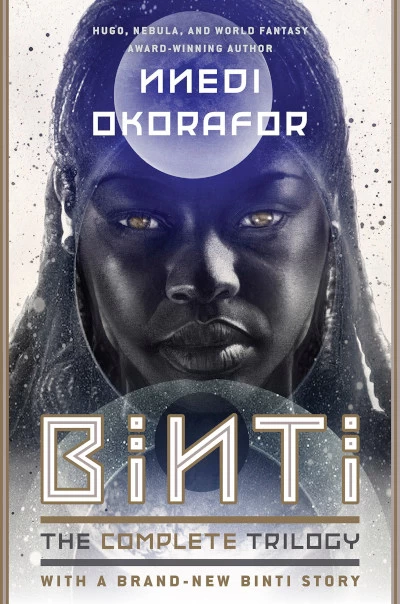 Binti: The Complete Trilogy 2019 5/101 ratings Science Fiction · Collection Binti
 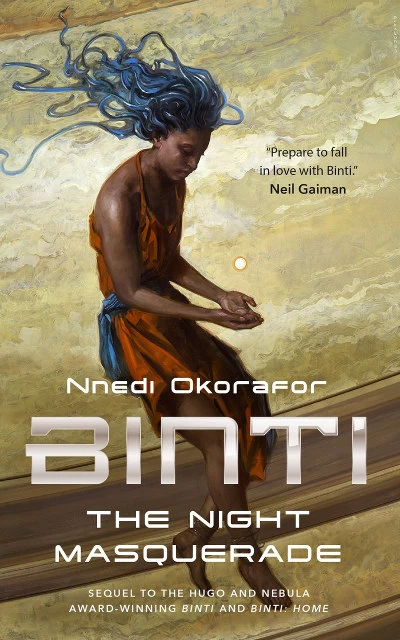 Binti: The Night Masquerade 2018 7/102 ratings Science Fiction · Novella Binti #3
 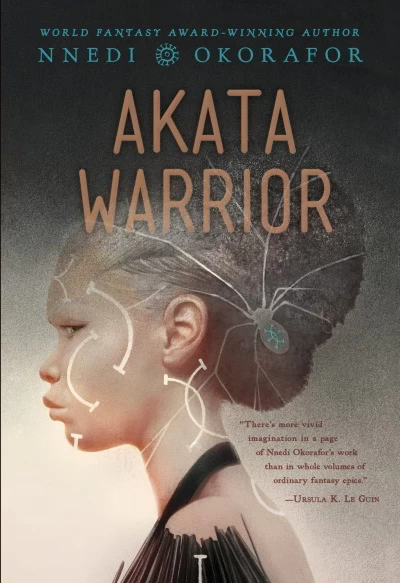 Akata Warrior 2017 9/102 ratings Fantasy · Young Adult The Nsibidi Scripts #2
 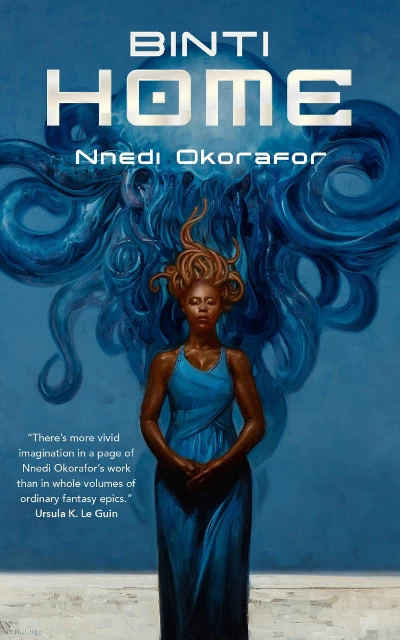 Binti: Home 2017 7/102 ratings Science Fiction · Novella Binti #2
 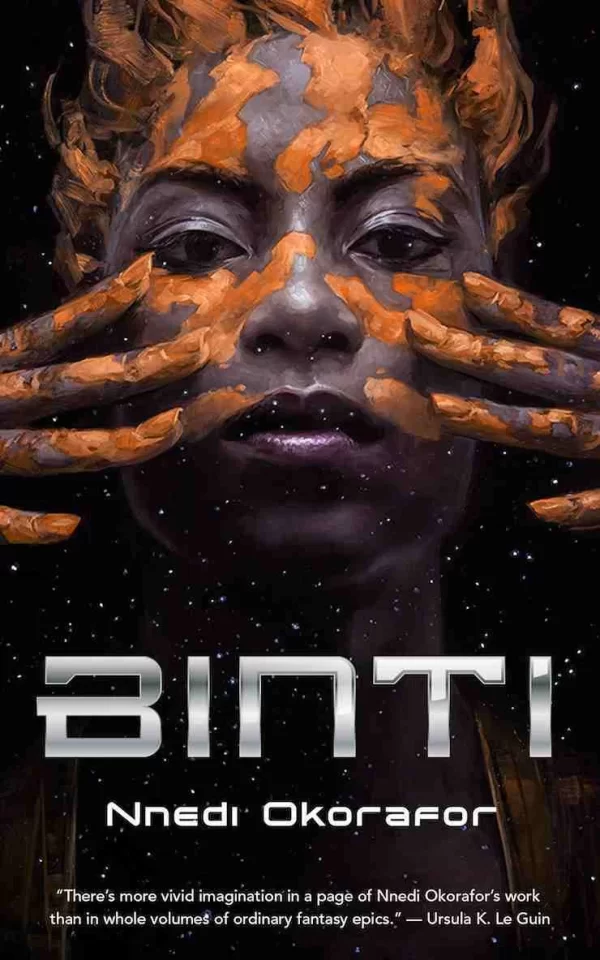 Binti 2015 7/107 ratings Science Fiction · Hugo Award · Nebula Award · Novella Binti #1
 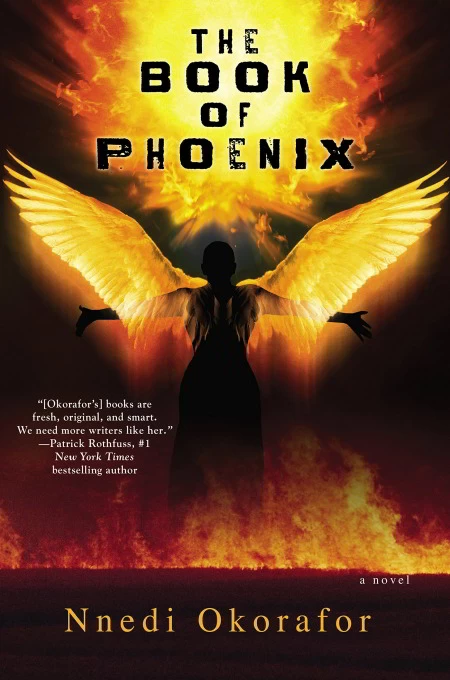 The Book of Phoenix 2015 8/101 ratings Science Fiction · Magical Realism Who Fears Death #2
THE AUTHOR’S WORLDS