The Mystery of Cloomber
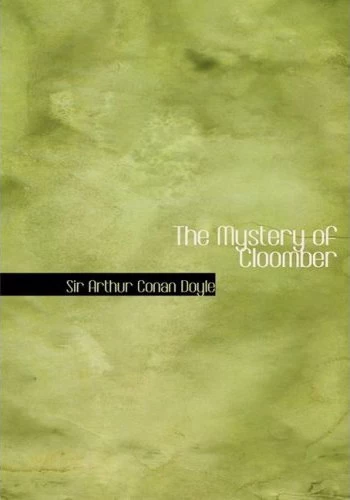
Master of detective fiction, Arthur Conan Doyle here reveals his deep fascination with spiritualism and the paranormal. To his fellow residents on the remote Western coast of Scotland, Major Heatherstone's behaviour seems far from orthodox. Spurning all attempts at friendship, he instead becomes a recluse in Cloomber Hall, forbidding his children even to leave their home. Yet unknown to him, they strike up a friendship with the neighbouring Hunter Wests, who slowly begin to learn the cause of the Major's paranoia, and of his fear of the fifth of October. As September draws to a close, and as they hear of the mysterious arrival of three Buddhist monks, they can only watch in vain, as it seems the Major's secret will not be laid to rest until vengeance is done.

Sir Arthur Conan Doyle
Long before crime fiction became a genre, there was Sherlock Holmes—and behind him, the mind of Sir Arthur Conan Doyle: physician, spiritualist, and literary architect of deduction itself. He didn’t just create a detective; he carved out an entire way of thinking, a cold, rational clarity that sliced through Victorian fog like a magnifying glass catching the morning sun.
Born in 1859 in Edinburgh, Doyle was a man of science before he was a man of letters. Trained as a doctor, he brought a clinical precision to his writing that made Holmes’s logic feel almost forensic in an age when forensic science was still in its infancy. The A Study in Scarlet debut in 1887 wasn’t just the birth of a character—it was the birth of modern detective fiction. And yet, Doyle always saw Holmes as a side project. It was his historical novels, like The White Company, that he considered his serious work.
More Books Sir Arthur Conan Doyle