About the Book
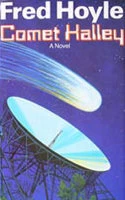
Returning to the Cavendish Laboratory in Cambridge after a spell at the nuclear research labs of CERN in Geneva, Professor Isaac Newton is plunged into the centre of a baffling mystery. One of his research students, Mike Howarth, has picked up strange signals on his satellite telemetry equipment, signals that appear to emenate from a passing comet. Not long after he has passed the vital data into Isaac Newton's hands, Howarth is found dead. Soon after that, it becomes clear that some people in very high places – including the Kremlin and the White House – are more than a little interested in the remarkable events taking place at the Cavendish. But with the arrival of that most majestic of all celestial bodies, Comet Halley, a third and infintely more powerful superpower enters the scene. And the Comet's extraordinary intentions – not to mentionits devastating methods of communicating them to Earth – promise a new dawn for humanity.