
Invitation to a Beheading
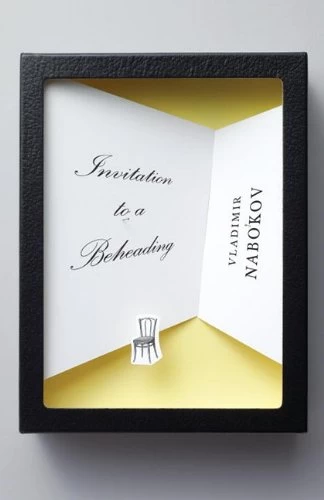
Invitation to a Beheading was first first serialized in Contemporary Notes (Sovremennye zapiski) in 1935-1936. The book was published in 1938.
Like Kafka's The Castle, Invitation to a Beheading embodies a vision of a bizarre and irrational world. In an unnamed dream country, the young man Cincinnatus C. is condemned to death by beheading for "gnostical turpitude." an imaginary crime that defies definition. Cincinnatus spends his last days in an absurd jail, where he is visited by chimerical jailers. an executioner who masquerades as a fellow prisoner, and by his in-laws. who lug their furniture with them into his cell. When Cincinnatus is led out to be executed. he simply wills his executioners out of existence: they disappear, along with the whole world they inhabit.
Readers also enjoyed




Vladimir Nabokov
Vladimir Vladimirovich Nabokov (1899–1977) was a multilingual Russian-American novelist and short story writer. Nabokov wrote his first nine novels in Russian, then rose to international prominence as a master English prose stylist. He also made contributions to entomology and had an interest in chess problems.
Nabokov's Lolita (1955) is frequently cited as among his most important novels and is his most widely known, exhibiting the love of intricate word play and synesthetic detail that characterised all his works. The novel was ranked at #4 in the list of the Modern Library 100 Best Novels. Pale Fire (1962) was ranked at #53 on the same list. His memoir, Speak, Memory, was listed #8 on the Modern Library nonfiction list.
More Books Vladimir Nabokov
