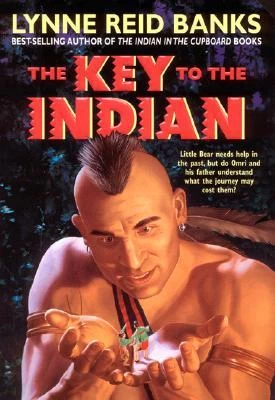
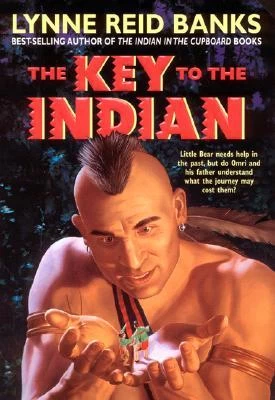
The Key to the Indian
- Publication
- August 10, 2004
About the Book
"He felt a draft of cold air. Instinctively he put his arms around his body. Then he looked down at himself and got a shock. He was naked...His first instinct was to hid. he scrambled over the earth floor of the longhouse and ducked under the curtain. Beyond was deeper darkness, but he could make out a sort of room with a raised section against the wall. On this was a mountain range covered with fur, in the shape of a sleeping giant.Omri stared all around, feeling the beginnings of panic. "Dad!" he whispered as loudly as he dared...
There was no answer. Omri felt intensely vulnerable with no clothes on. Cold air embraced his skin from head to foot. He felt a sudden longing to go home. He hadn't reckoned on this--being separated from his dad, it being so dark and cold, so strange, so lonely."
Omri and his father travel back in time to find Little Bull and his people in deep trouble, torn between staying in the West and facing extinction or starting a long trek to a new life in Canada. Omri’s final parting with Little Bull is incredibly moving yet the book is also very funny.