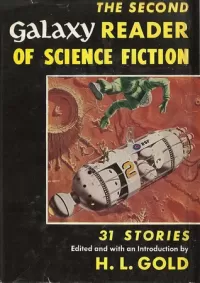
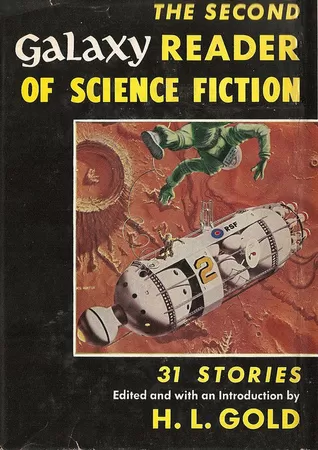
The Second Galaxy Reader of Science Fiction
Contents
1. To the Hills! [Editor's Page (Galaxy)] (1953) essay by H. L. Gold
2. The Year of the Jackpot (1952) by Robert A. Heinlein
3. A Bad Day for Sales (1953) by Fritz Leiber
4. The Misogynist (1952) by James E. Gunn
5. Saucer of Loneliness (1953) by Theodore Sturgeon
6. Teething Ring (1953) by James Causey
7. A Gleeb for Earth (1953) by Charles Schafhauser
8. Hallucination Orbit (1952) by J. T. McIntosh
9. The C Chute by Isaac Asimov
10. Junkyard (1953) by Clifford D. Simak
11. Problem on Balak (1953) by Roger Dee
12. Surface Tension [Pantropy] (1952) by James Blish
13. Specialist (1953) by Robert Sheckley
14. Four in One (1953) by Damon Knight
15. Caretaker (1953) by James H. Schmitz
16. Lost Memory (1952) by Peter Phillips
17. Not Fit for Children (1953) by Evelyn E. Smith
18. Student Body (1953) by F. L. Wallace
19. Lover When You're Near Me (1952) by Richard Matheson
20. Command Performance (1952) by Walter M. Miller, Jr.
21. Star Bright (1952) by Mark Clifton
22. Warm (1953) by Robert Sheckley
23. Unready to Wear (1953) by Kurt Vonnegut, Jr.
24. Tiger by the Tail (1951) by Alan E. Nourse
25. Self Portrait (1951) by Bernard Wolfe
26. The Snowball Effect (1952) by Katherine MacLean
27. Pillar to Post (1951) by John Wyndham
28. Minimum Sentence (1953) by Theodore R. Cogswell
29. A Game for Blondes (1952) by John D. MacDonald
30. University (1953) by Peter Phillips
31. Tea Tray in the Sky (1952) by Evelyn E. Smith
32. A Pail of Air (1951) by Fritz Leiber
Readers also enjoyed






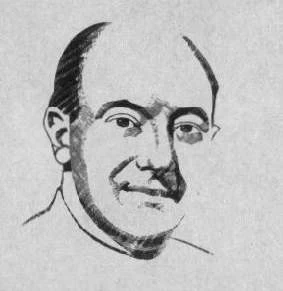
H. L. Gold
Horace Leonard Gold (1914–1996) was a science fiction writer and editor. Born in Canada, Gold moved to the United States at the age of two. He was most noted for bringing an innovative and fresh approach to science fiction while he was the editor of Galaxy Science Fiction, and also wrote briefly for DC Comics.
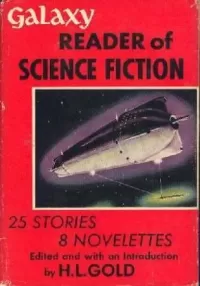
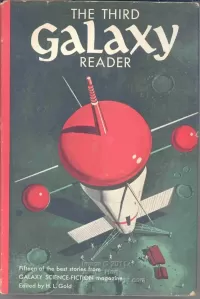
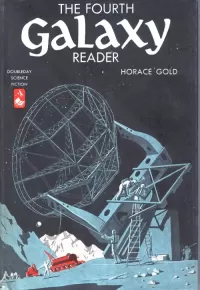
Galaxy Reader
A Series of Anthologies of stories taken from Galaxy Magazine an American Science Fiction magazine, published from 1950 to 1980.
Galaxy Reader consists of eleven books and considered as a complete series. The current recommended reading order for the series is provided below.