The Man Who Was ThursdayA Nightmare
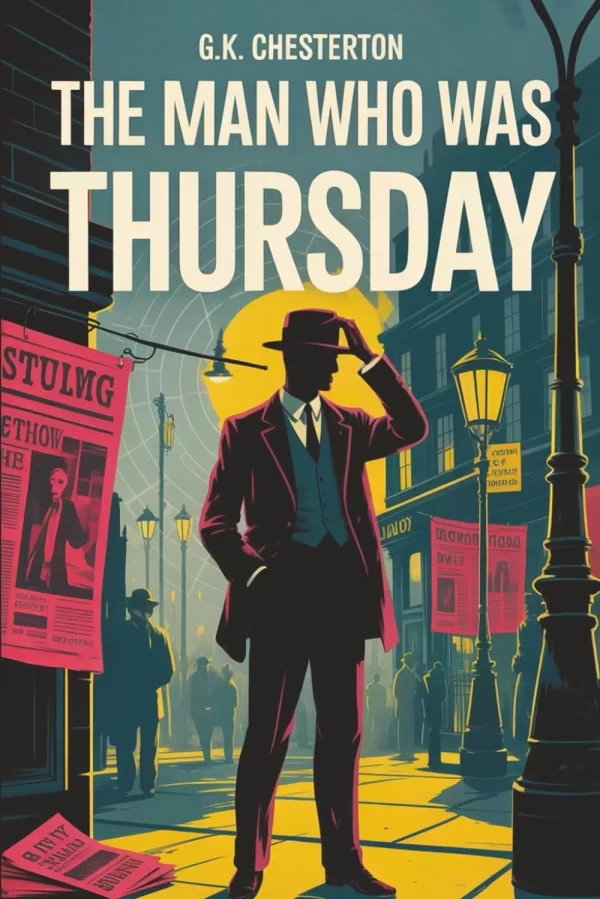
A detective thriller, a metaphysical mystery, and a literary classic – all in one unforgettable journey.
When poet-turned-detective Gabriel Syme infiltrates a secret council of anarchists in Edwardian London, he is given the codename "Thursday." But what begins as an undercover mission quickly spirals into a surreal battle between order and chaos. As Syme uncovers the truth behind his fellow conspirators—each named after a day of the week—he begins to suspect that nothing, and no one, is what they seem.
Is it a spy novel? A political satire? A philosophical allegory?
The answer is yes – and more.
With the pacing of a thriller and the depth of a theological parable, The Man Who Was Thursday blends suspense, humour, and existential inquiry in a way only G.K. Chesterton can. First published in 1908, this genre-defying novel has fascinated readers for over a century and remains as relevant and thought-provoking as ever.
“It is always the unexpected that happens.”
Buy it Now!
Readers also enjoyed



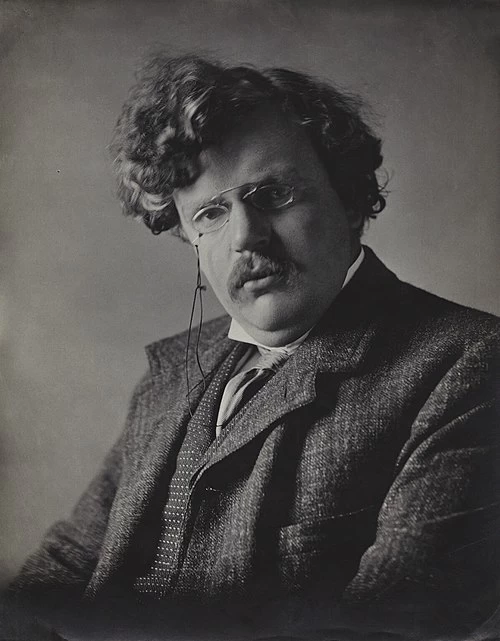
G. K. Chesterton
Gilbert Keith Chesterton (1874-1936), was an English writer, poet, philosopher, dramatist, journalist, orator, lay theologian, biographer, and literary and art critic. Chesterton is often referred to as the "prince of paradox". Time magazine has observed of his writing style: "Whenever possible Chesterton made his points with popular sayings, proverbs, allegories - first carefully turning them inside out."
Chesterton is well known for his fictional priest-detective Father Brown, and for his reasoned apologetics. Even some of those who disagree with him have recognised the wide appeal of such works as Orthodoxy and The Everlasting Man. Chesterton routinely referred to himself as an "orthodox" Christian, and came to identify this position more and more with Catholicism, eventually converting to Catholicism from High Church Anglicanism. George Bernard Shaw, his "friendly enemy", said of him, "He was a man of colossal genius." Biographers have identified him as a successor to such Victorian authors as Matthew Arnold, Thomas Carlyle, Cardinal John Henry Newman, and John Ruskin.
More Books G. K. Chesterton