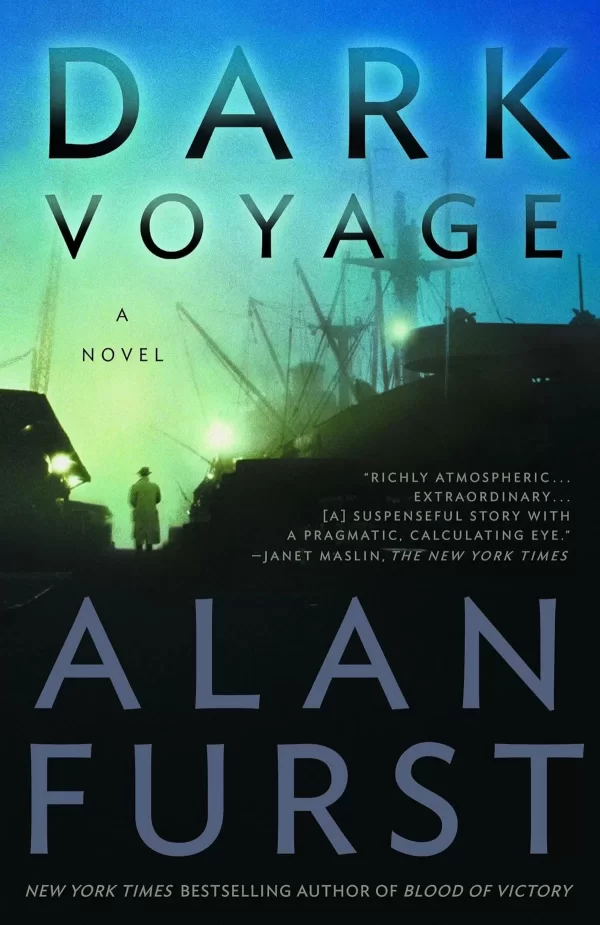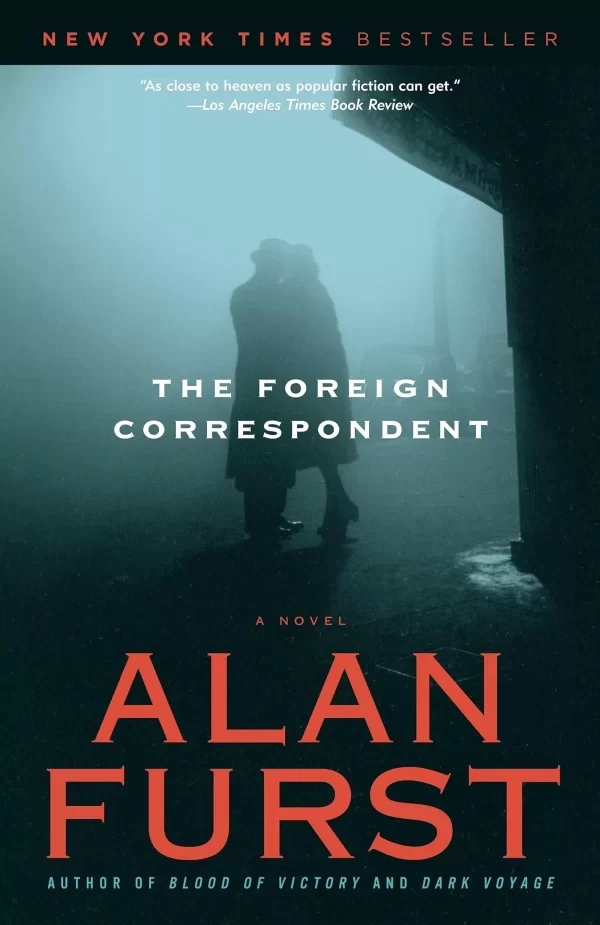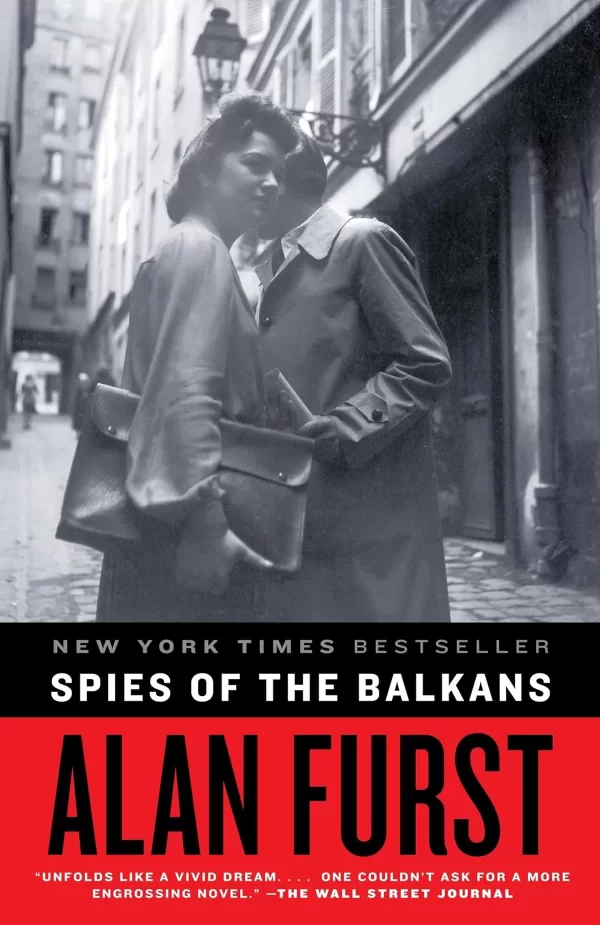
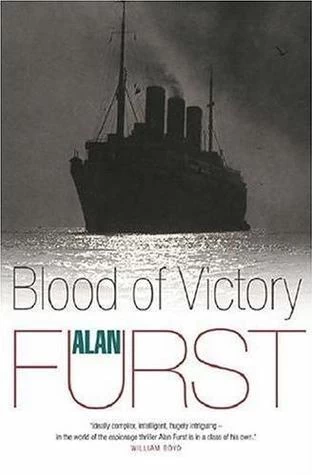
About the Book
NEW YORK TIMES BESTSELLER • “[Furst] glides gracefully into an urbane pre–World War II Europe and describes that milieu with superb precision.” —Janet Maslin, The New York Times
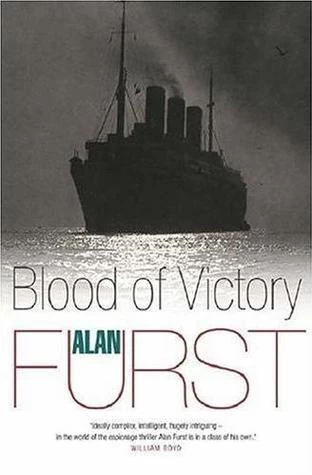
In the autumn of 1940, Russian émigré journalist I. A. Serebin is recruited in Istanbul by an agent of the British secret services for a clandestine operation to stop German importation of Romanian oil—a last desperate attempt to block Hitler’s conquest of Europe. Serebin’s race against time begins in Bucharest and leads him to Paris, the Black Sea, Beirut, and, finally, Belgrade; his task is to attack the oil barges that fuel German tanks and airplanes. Blood of Victory is a novel with the heart-pounding suspense, extraordinary historical accuracy, and narrative immediacy we have come to expect from Alan Furst.
Praise for Blood of Victory
“Densely atmospheric and genuinely romantic, the novel is most reminiscent of the Hollywood films of the forties, when moral choices were rendered not in black-and-white but in smoky shades of gray.”—The New Yorker
“Furst’s achievement is a moral one, producing a powerful testament to fiction’s ability to re-create the experience of others, and why it is so deeply important to do so.” —Neil Gordon, The New York Times Book Review
“Richly atmospheric and satisfying.” —Deirdre Donahue, USA Today