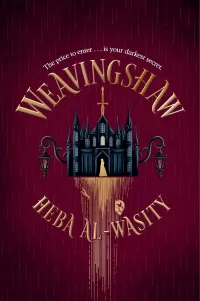
Weavingshaw Book 2

Weavingshaw Book 2 is an upcoming novel by Heba Al-Wasity and the second installment in Weavingshaw series.
More details about Weavingshaw Book 2 will be revealed soon.
Readers also enjoyed


Heba Al-Wasity
Heba Al-Wasity writes gothic fantasy where haunted houses, restless spirits, and dangerous bargains sit alongside questions of displacement, inequality, and belonging. Her debut novel, Weavingshaw, emerged from an unusually personal path to fiction. She had carried the idea for the story since her teenage years, but it was not until the strain of working in medicine during the COVID-19 pandemic that she began writing it in earnest. What started as a way to process difficult experiences and sleepless nights eventually became a bestselling gothic romantasy.
Weavingshaw
Gothic fantasy and slow-burn romance meet in Weavingshaw, a world where ghosts have secrets, demons have agendas, and even the dead may have unfinished business. At its center is Leena Al-Sayer, a young woman who has been able to see the dead since she was seventeen, a gift she has learned to keep hidden. When her brother Rami falls dangerously ill and she needs money for his medicine, she turns to Saint Silas, the mysterious Saint of Silence, who makes his living trading in people's darkest confessions.
Weavingshaw consists of one book and series is set to expand with the upcoming release of one more book. The current recommended reading order for the series is provided below.