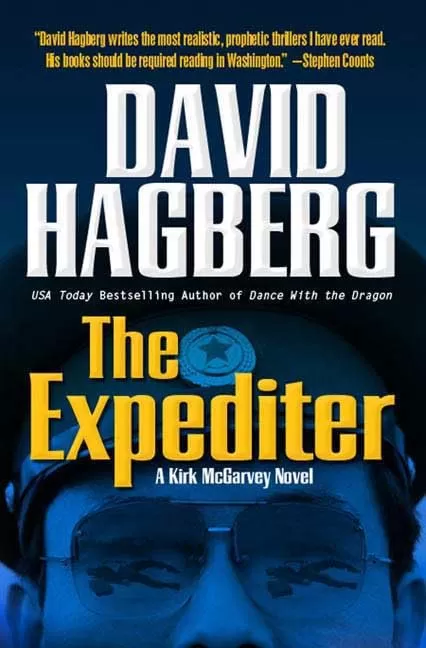
About the Book
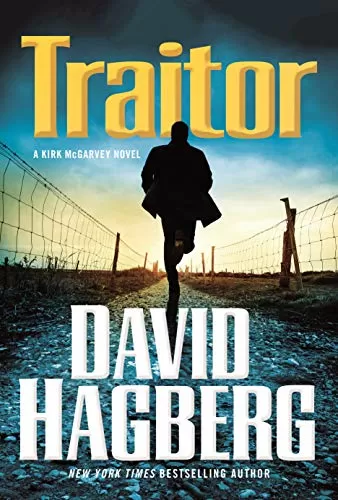
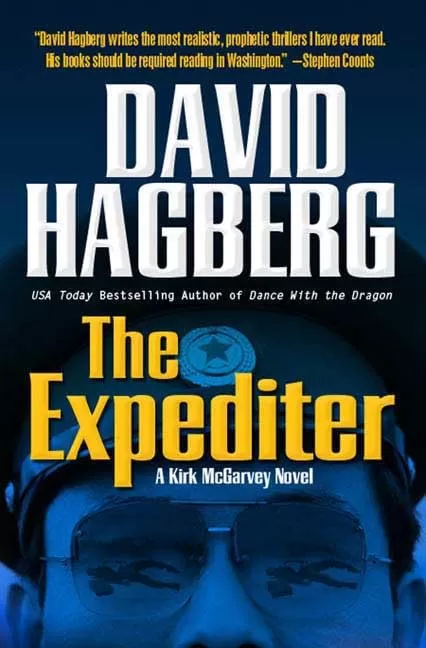
Late one balmy summer evening in Pyongyang, an important Chinese intelligence general on his way to a secret meeting with Kim Jon-Il is assassinated in plain sight of a surveillance camera. The two shooters are wearing the uniforms of North Korean police officers.
Kim Jong-Il denies any knowledge of the shooting, but the Chinese do not believe him. As they prepare to attack, Jong-Il promises to unleash his nuclear weapons on downtown Beijing, Seoul, and Tokyo, plunging the entire region into nuclear war.
Kirk McGarvey, just off a difficult assignment that took him to Mexico City, has returned to his visiting professorship at the University of South Florida. A colonel in North Korea's intelligence service shows up in person, asking McGarvey to prove that North Korea did not authorize the hit.
It's the most extraordinary request McGarvey has ever received. He enters a dangerous international shadow world where almost nothing is as it seems. The puzzles lead him to a mysterious Russian ex-KGB multimillionaire whose specialty is expediting assassins for hire, to Pyongyang where he finds the wedge to open up a far-reaching plot so monstrous the entire world could go up into flames, and finally back to the one nation that potentially has the most to gain by such a war.
And the most to lose...