Whiteout
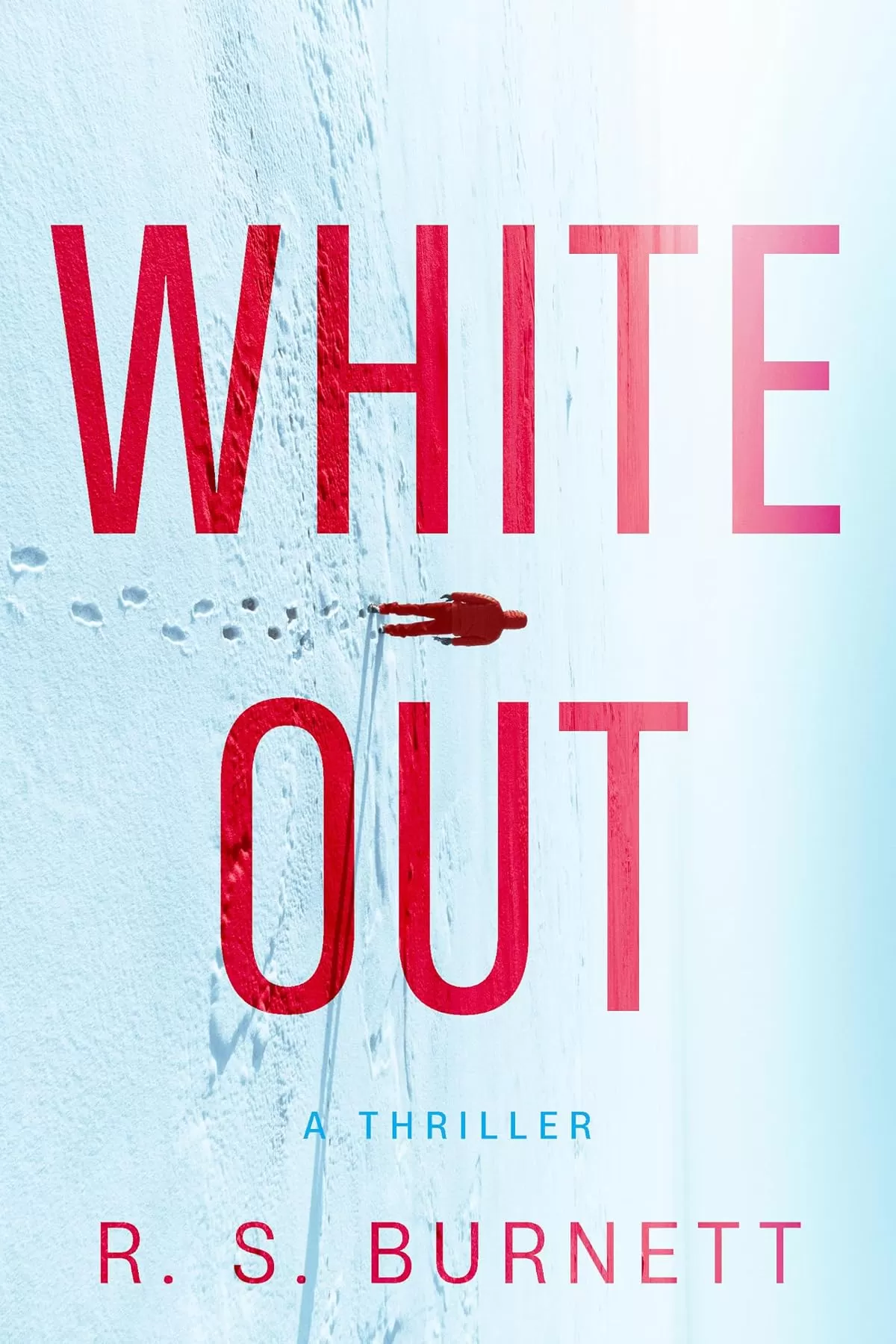
A researcher stranded in Antarctica receives a radio message that a nuclear war has broken out in this claustrophobic survival thriller, perfect for fans of The Martian, The Last Murder at the End of the World and Breathless.
It’s been four months since glaciologist Rachael Beckett left her husband and daughter to join an urgent research trip to a remote field station deep in the Antarctic. But after losing all communication with her crew at base camp, she’s trapped and alone – and running out of supplies. The only information she has about what’s gone so catastrophically wrong is an emergency radio broadcast playing on a loop: a nuclear war has broken out, and Rachael might be the last survivor on Earth.
Abandoned and starving, all she has left is a fierce determination to stay alive in the extreme cold and perpetual darkness of the polar winter. The research she’s gathered about catastrophic climate damage means she holds the fate of the continent and the world in her grasp…if there’s even a world left to save.
Struggling with loneliness and grief over the unknown fate of her family back home, Rachael knows both her life and her sanity balance on a knife edge. As she battles to stay alive in unimaginable conditions, she soon discovers she’s not completely alone in the dark and cold–but she might wish she was…