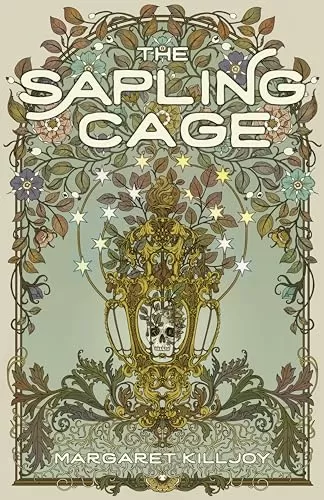
Margaret Killjoy's Daughters of the Empty Throne is a fantasy trilogy about witchcraft, identity, power, and the difficult choices involved in becoming the person you know yourself to be. Set in a world of wandering covens, rival knights, earth magic, and political unrest, the series combines the familiar shape of a coming-of-age adventure with a more unconventional vision of who holds power and how communities might choose to organize themselves.
Her journey unfolds against a much larger crisis. A mysterious blight known as the colddead is spreading through the forests, killing trees and threatening the land itself. As fear grows, witches become convenient targets for those seeking someone to blame. Meanwhile, the ambitious Duchess Helte pursues the kingdom's empty throne, bringing political violence and competing ideas of authority into a conflict already tangled with magic.
Killjoy gives this fantasy world an earthy, lived-in quality. Magic is bound up with nature, ritual, ethics, and responsibility rather than existing simply as a weapon, while becoming a witch involves far more than learning spells. Lorel encounters lessons in combat, diplomacy, survival, friendship, and the consequences of wielding power. The coven itself becomes an important part of her transformation, offering both belonging and difficult questions about tradition and who gets to decide what a witch should be.
At its heart, Daughters of the Empty Throne is as interested in choice as it is in magic. Lorel's growing understanding of herself runs alongside a broader struggle over how people should live, what they owe one another, and whether inherited systems of power deserve to survive simply because they are old. Queer identity, chosen family, anarchic community, ecological fantasy, and resistance to authority emerge naturally from the world and its conflicts rather than sitting apart from the adventure.
The series opened to notable recognition with The Sapling Cage, which was shortlisted for the 2025 Ursula K. Le Guin Prize for Fiction. The recognition feels particularly fitting for a story that uses speculative fiction not only to imagine different kinds of magic, but different possibilities for identity, community, and power.
With witches moving through threatened forests, knights pursuing their own codes, a kingdom without a ruler, and something deeply wrong spreading through the natural world, the trilogy has the texture of traditional quest fantasy without being bound by its assumptions. Its larger battles matter, but so do the quieter transformations taking place along the road, especially Lorel's discovery that finding where she belongs may also mean questioning the rules that determined who was allowed to belong in the first place.