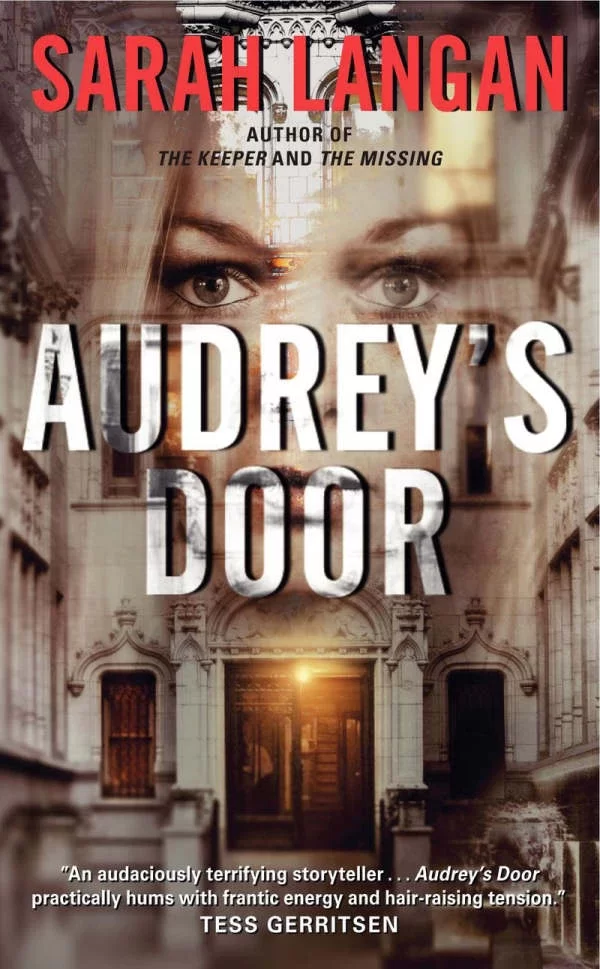
The aspiration here is not to be a trendy, psychological thriller—although it is that—but a genuine, old-fashioned haunted house yarn. In her preface, Ms. Langan acknowledges her guides through the cobwebs of these stories(1), then launches a unique and fascinating re-imagining of the lynchpin for this sub-genre in her depiction of a once luxurious apartment building in New York City.
The Breviary would be an irresistible lure to any passionate architect, and Audrey, being a newly-degreed neophyte to a prestigious Manhattan firm, cannot resist the astonishingly-low cost vacancy caused by a recent act of filicide. Built in 1861 by an iniquitous architectural visionary, it is the last remaining example of Chaotic Naturalism, a quasi-philosophy turned cultus that imagined the world broken away from following any logical pattern recognition. Extended to buildings, the structures tried to model nature — not Euclidian geometry — by shunning right angles, linear progressions and embracing spirals and vine-like growths. But instead they “broke apart these natural patterns into a disjointed mishmash, as if to prove that not even God held providence over man [and] . . . became closed universes unto themselves” (Harper PBO, ISBN 9780061624216, c.2009, p.54). The rich and influential zealots who inhabited lived not only in defiance of gravity, but, as time proved by murders, suicides, and unspeakable depravities, their sanity as well.
Sarah's page for video trailer (a must!)
http://www.openaudreysdoor.com/trailer/
Characters' choices are rarely judicious in Horror. That's because Horror is never about logic. There's only enough of it there to hold the reader down so emotional responses and/or defenses can shred what's left of their rational mind. Sensory perceptions become suspect as the surroundings change from naturally defined to invariably hostile, intimidating, untrustworthy. And all grounding certainly falls away when your title character is not only OCD, but, as a sympatric co-worker puts it, “You're pretty weird. Like somebody broke you, and you keep trying to put yourself back together, only you do it wrong” (p.137).
This is a novel about a girl going fucking bonkers, after all. And she's got such a horrific past that she should go batshit in her own devising. But Audrey's personal demon war is just the appetizer, because the pièce de résistance is always The Breviary; so much so that there's even a whiff of the idea that it represents those old-money, die-hard stringpullers of conservative America that defy change and progress like “gargoyles . . . among the rest of the modern glass condominiums on the block . . . a twisted black tooth along a gleaming white smile” (p.280). Who are the inhabitants from its 150-year span but the inbred, incestuous offspring from legacies the likes of the Robber Barons of yesteryear?
This novel won the Stoker for its author this year, making it three Stokers in three years running. I'll bet her next novel will be even better.
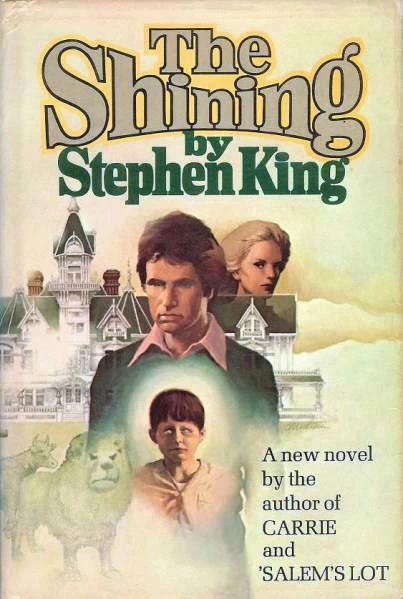
(1) The author refers to The Haunting of Hill House and The Shining which goalpost the playing field for this sub-genre. Jackson, through Dr. Montague, says “the evil is in the house itself”; King calls the Overlook “the house-as-psychic-battery”. Fundamentally, the house—or hotel—is the spiritual black hole where the psychic and psychotic collide in both dead and living people. But Audrey won't be having her baby among those other evil wretches in Levin's brownstone uptown and, concerning Polanski, I'd hafta say she's substituted Carole--Catherine Denevue's character--from Repulsion of 1965 into Roman's role of 1976's The Tenant, although Ms. Langan doesn't have enough noir in her to script Audrey for that second jump.