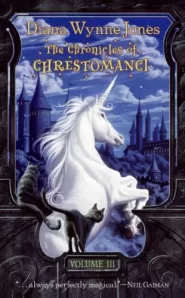
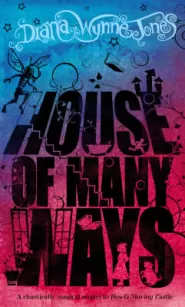
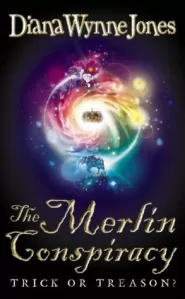
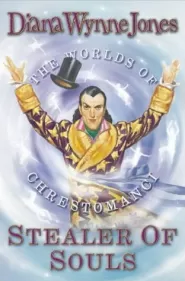
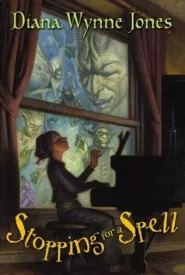
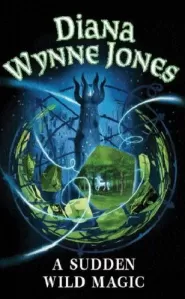
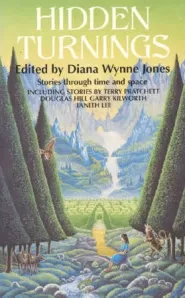
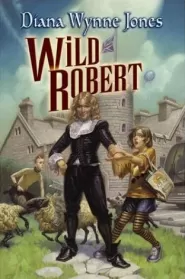
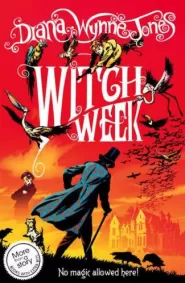
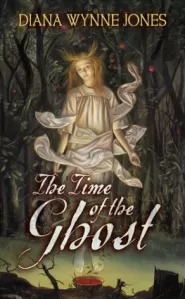
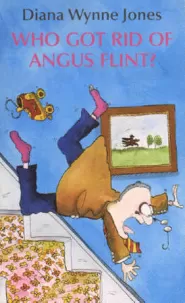
Long before fantasy became mainstream, Diana Wynne Jones was quietly rewriting its rules—building magical worlds that felt both whimsical and wise, mischievous and deeply human. Her stories didn’t just sparkle with enchantment; they carried a quiet intelligence that dared young readers to think deeper, look sideways, and always expect the unexpected.
Born in London in 1934, Jones grew up amid wartime evacuations and an often-chaotic household—experiences that would later inform the strange, shifting families and fractured realities in her fiction. She studied English at Oxford under tutors like C.S. Lewis and J.R.R. Tolkien, though she later remarked she learned more by not imitating them. Instead, she carved out her own voice: lyrical but grounded, funny but never flippant, magical yet steeped in emotional truth.
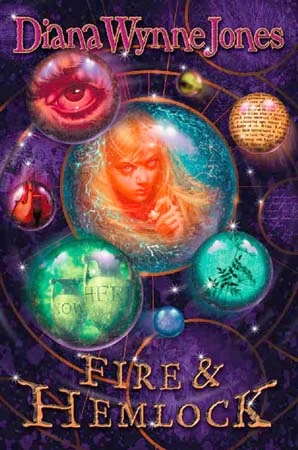
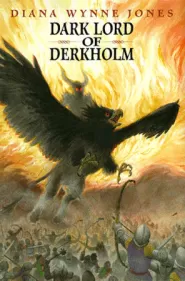
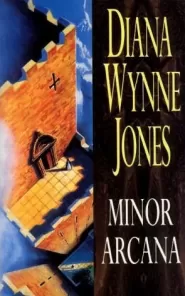
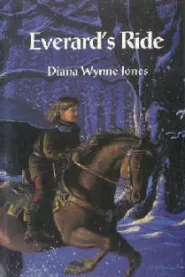
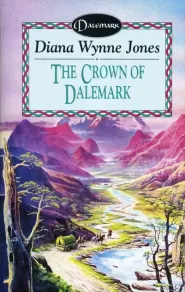
Her books—Howl’s Moving Castle, Charmed Life, Fire and Hemlock, The Time of the Ghost, and many others—stand apart for the way they treat fantasy as both a playground and a mirror. Her characters, from vain wizards to reluctant enchanters, stumble through enchanted lands laced with irony and layered logic. She treated young readers as capable of navigating complexity, trusting them with tangled timelines, layered narratives, and moral ambiguity.
Jones’s influence can be felt across generations. Neil Gaiman has cited her as a formative inspiration, and Howl’s Moving Castle found a second life in the hands of Hayao Miyazaki, whose Studio Ghibli adaptation brought her work to an even wider audience. Yet even with such recognition, she remained something of a literary secret—a “writer’s writer” whose fans often discovered her not through hype, but through word of mouth, school libraries, and chance encounters in dusty bookshops.
Her fiction is often described as "clever," but that doesn’t quite capture the emotional resonance at its core. Behind the humor and spellcraft is a profound empathy for outsiders, misfits, and those caught between worlds—be they magical or mundane. Diana Wynne Jones didn’t just imagine new worlds—she quietly reshaped how we think about magic in the one we already have.