
Pathfinder

A powerful secret. A dangerous path.
Rigg is well trained at keeping secrets. Only his father knows the truth about Rigg's strange talent for seeing the paths of people's pasts. But when his father dies, Rigg is stunned to learn just how many secrets Father had kept from him – secrets about Rigg's own past, his identity, and his destiny. And when Rigg discovers that he has the power not only to see the past, but also to change it, his future suddenly becomes anything but certain.
Rigg’s birthright sets him on a path that leaves him caught between two factions, one that wants him crowned and one that wants him dead. He will be forced to question everything he thinks he knows, choose who to trust, and push the limits of his talent… or forfeit control of his destiny.
Readers also enjoyed

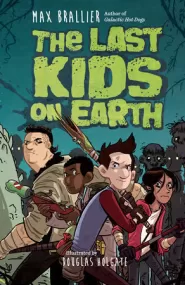

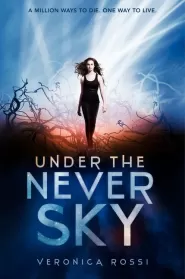
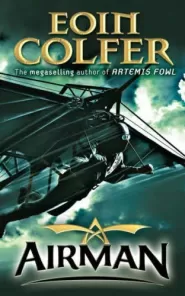



Orson Scott Card
Before Ender’s Game became required reading in classrooms and a touchstone for science fiction fans worldwide, it was just a short story—one that Orson Scott Card wrote while trying to understand how humanity might survive its own genius. That idea, born of curiosity and a deep interest in moral complexity, would eventually grow into a sprawling series exploring war, empathy, leadership, and the loneliness of brilliance.
Born in Richland, Washington in 1951 and raised mostly in Utah and California, Card grew up in a family where storytelling was a living thing—spoken, passed down, constantly evolving. Though he began his career writing plays and studying literature, he found his true voice in speculative fiction. And when he wrote Ender’s Game—and later Speaker for the Dead—he did something science fiction rarely dared at the time: he treated the genre as a tool for exploring the human soul.
Pathfinder
Pathfinder consists of three books. The current recommended reading order for the series is provided below.


