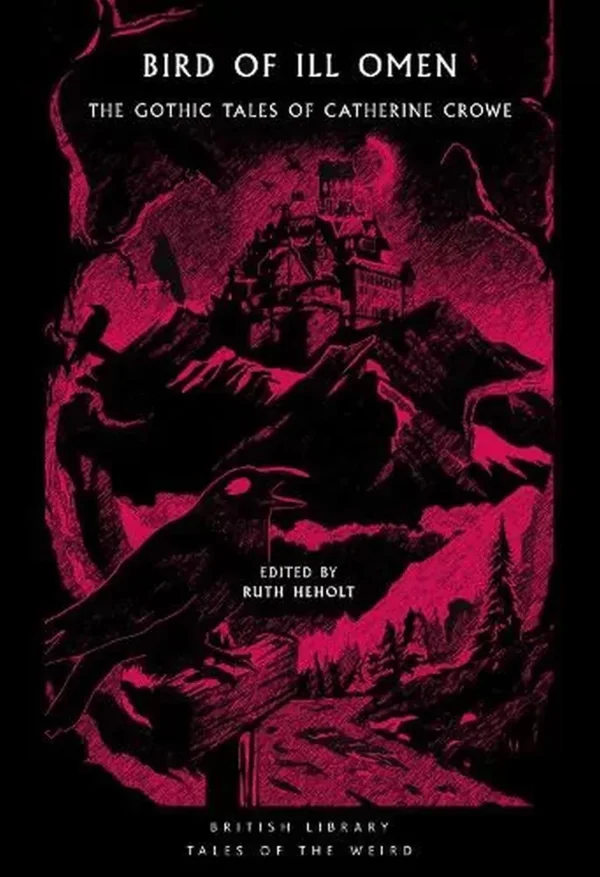
Bird of Ill OmenThe Gothic Tales of Catherine Crowe
When morning broke, the ravages of this strange visitant were but too visible graves had been opened, and the remains of the dead, frightfully torn and mutilated, lay scattered upon the earth.
A village is driven to a murderous frenzy by the wolf walking among them. In the dead of night, a sleepwalking monk reenacts a scene of violence glimpsed as a child. A lycanthropist draws closer to a monstrous truth while investigating a spate of grisly grave-robbings.
In the nineteenth century, Catherine Crowe's name was synonymous with haunting accounts of 'real' ghost stories, glimpses of the 'night side of nature' and well-wrought Gothic tales, earning her a reputation comparable to Dickens' to the Victorian readership. This new collection edited by Crowe expert Ruth Heholt features Crowe's unique, journalistic short tales of real ghost sightings alongside her Gothic stories written for popular periodicals, showcasing her singular gifts as one of the great storytellers of the Victorian era.
Readers also enjoyed
Catherine Crowe
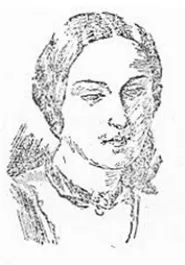
Catherine Ann Stevens was born in Kent in 1803 and in common with many English young ladies of her day and class was home educated. She married a soldier, Major John Crowe but the marriage was an unhappy one and they separated in the 1830s. By this time Catherine was living in Edinburgh and moving in literary circles which brought her into contact with Thomas de Quincey. Harriet Martineau and William Makepeace Thackeray among others. Catherine Crowe began her writing career with the typical industry of her age and produced novels, short stories and plays on a number of themes including works for children. Short stories with sensational plots frequently featuring women abused by men were published in Charles Dicken's, Household Words and in Chamber's Edinburgh Journal. Her literary excursions into the supernatural world were not as frequent those of several of her peers, though two notable works were produced: a collection of short stories entitled Ghosts and Family Legends, and perhaps her most popular and enduring work, the evocatively titled The Night Side of Nature, which contained a combination of fictional and allegedly 'true' ghost stories. Montague Summers included two of Crowe's stories in his well-regarded anthology Victorian Ghost Stories (1936). Catherine Crowe appears to have had more than a passing interest in the supernatural. In 1854 she was discovered naked in the street claiming that spirits had rendered her invisible. She was subsequently treated successfully for mental illness, dying in Folkestone in 1876.
British Library Tales of the Weird
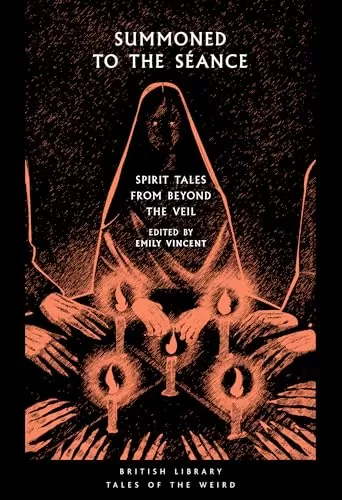
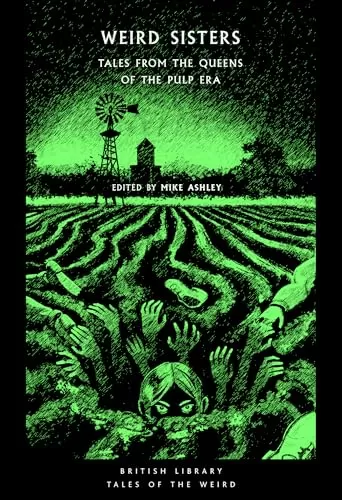
The British Library Tales of the Weird series revives and unearths classic strange fiction from the late-nineteenth and early twentieth centuries in the form of novels, single-author collections and thematic anthologies, complete with new introductions and fascinating notes by expert editors.
British Library Tales of the Weird consists of seventy-two books. The current recommended reading order for the series is provided below.