Harry's Game
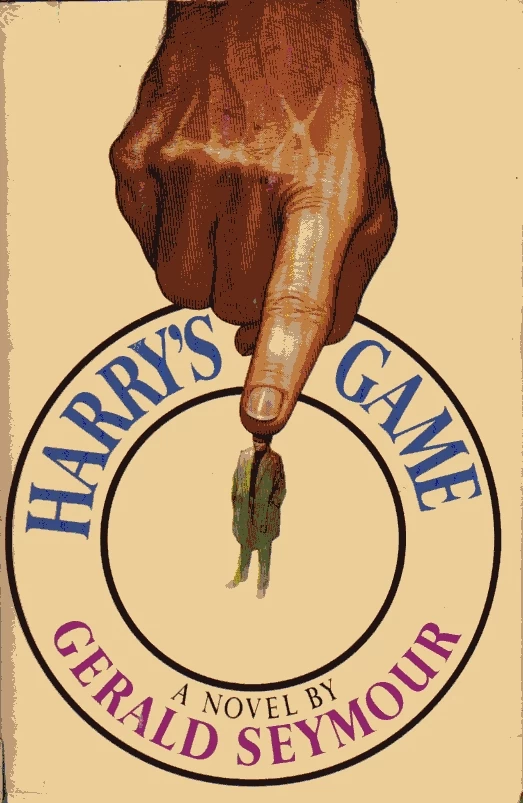
A British cabinet minister is gunned down by an IRA assassin, leaving an undercover agent to track down the killer in this riveting thriller.
With the taut pacing, gritty realism, and brilliantly fleshed-out characters that have led Seymour to be known as one of the masters of the modern thriller, Harry's Game is widely regarded as one of the greatest thrillers of the past fifty years.
Harry's Game, the novel that defined the career of master espionage writer Gerald Seymour, is a deadly hide-and-seek between two killers. One is a super-assassin who has already murdered a high-up government official. The other is secret agent Harry Brown, who must uncover and destroy him. As Brown goes to Belfast and immerses himself into the community there, attempting to flush out the assassin, the two men circle each other in their lethal game, ensnaring the reader in a world of violence as the book plunges into a nightmare world of creeping terror.
"Absorbing from beginning to end. . . . The sort of book that makes you lose track of time." —The New York Times

Gerald Seymour
Gerald Seymour (born 25 November 1941 in Guildford, Surrey) is a British writer.
The son of two literary figures, he was educated at Kelly College at Tavistock in Devon and took a BA Hons degree in Modern History at University College London. Initially a journalist, he joined ITN in 1963, covering such topics as the Great Train Robbery, Vietnam, Ireland, the Munich Olympics massacre, Germany's Red Army, Italy's Red Brigades and Palestinian militant groups. His first book, Harry's Game, was published in 1975, and Seymour then became a full-time novelist, living in the West Country. In 1999, he featured in the Oscar-winning television film, One Day in September, which portrayed the Munich Olympics massacre.
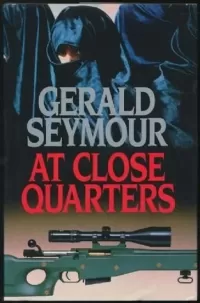
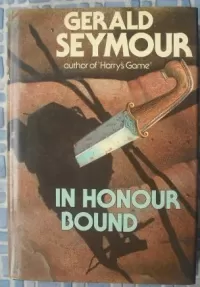
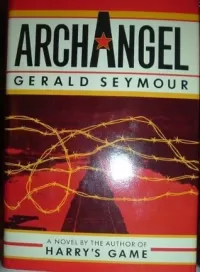
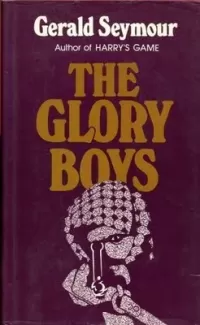
More books by Gerald Seymour