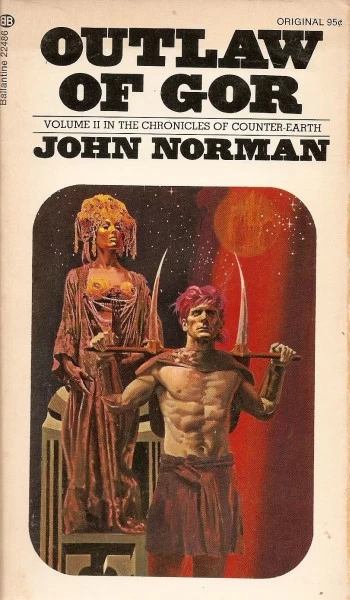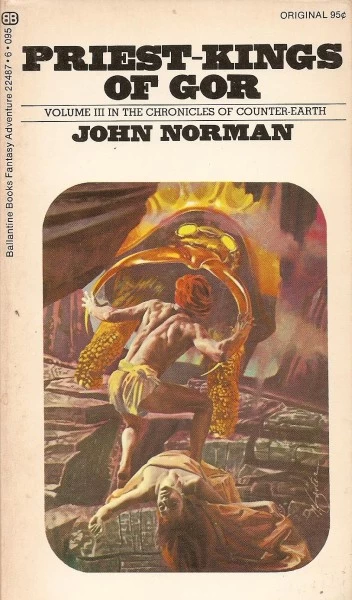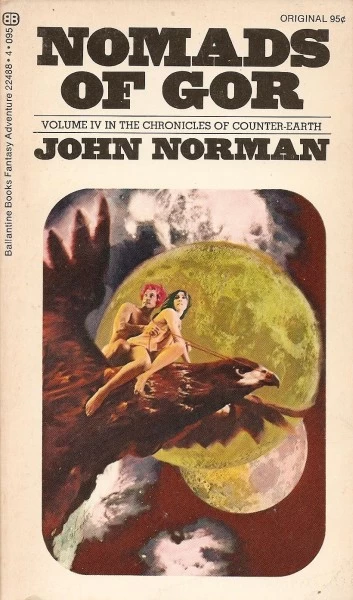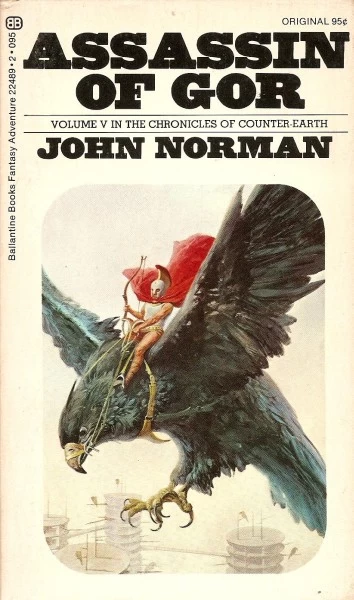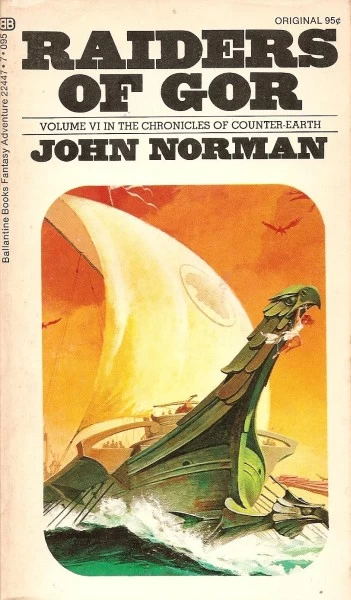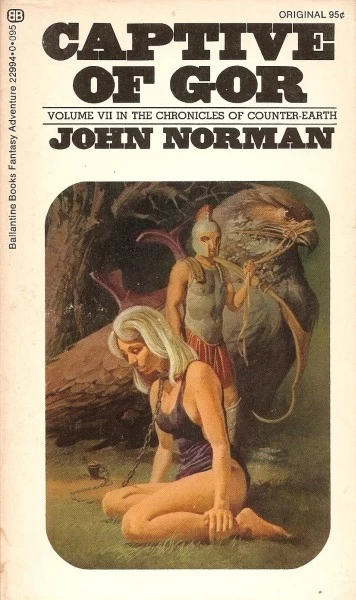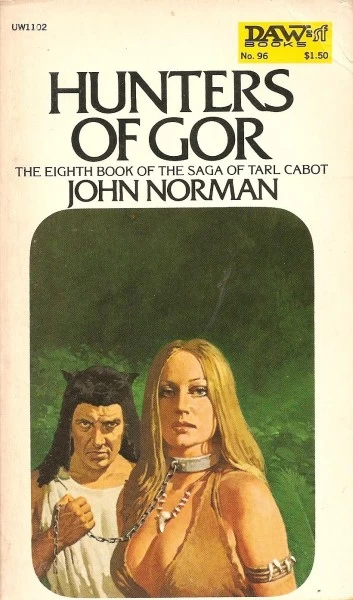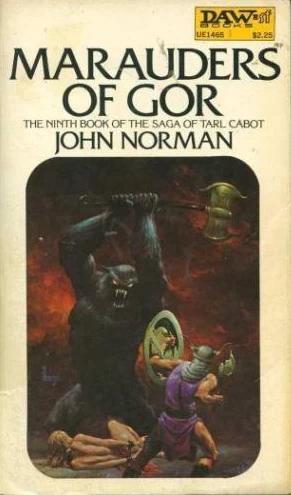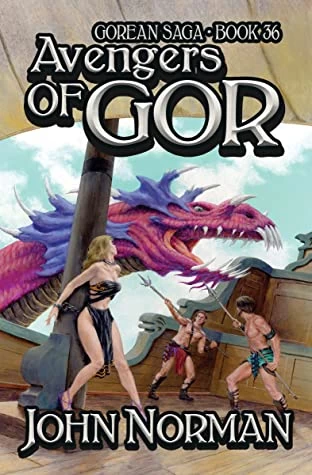
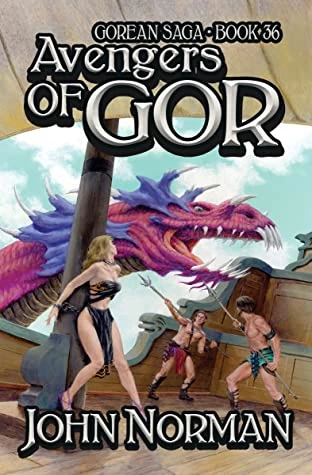
Avengers of Gor
Puzzling, disturbing rumors have reached Port Kar.
Tarl Cabot, warrior and merchant, pirate and slaver, once of Earth, now of Gor, learns that the Farther Islands, Thera, Daphna, and Chios, west of the Island Ubarates of Cos and Tyros, are being bloodily and systematically ravaged by corsairs supposedly led by himself, by Bosk of Port Kar, as he is commonly known.
How could this be? What is one to make of it? Why would so cruel and outrageous a hoax, apparently pointless, be perpetrated? Who would dare to do so?
And, in the meantime, shipping is assailed and towns and villages are looted and burned.
Tarl Cabot will investigate.
He will seek vengeance.
His quest will carry him to the taverns and palaces of corrupt, luxurious, decadent Sybaris, on Thera, where life is cheap and collared slave girls plentiful, where ruthless corsairs live by the sword and whip, and into strange and dangerous waters teeming with predatory vessels and monstrous sea life.
As the mystery is unraveled, bit by bloody bit, he discovers that its threads may reach far beyond the Farther Islands.
Readers also enjoyed
John Norman
Long before his name became a lightning rod in speculative fiction circles, John Norman was simply John Frederick Lange Jr.—a philosophy professor with a fascination for power, myth, and the boundaries of human freedom. That academic lens never quite left his work, even as he stepped into the realm of science fiction and fantasy, where he would go on to build one of the most controversial and enduring cult sagas in genre history.
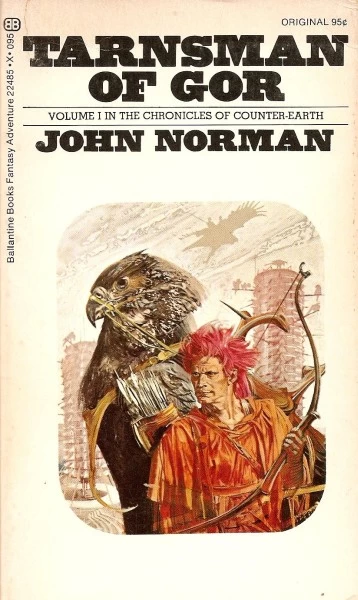
Norman is best known for his Chronicles of Gor, a sweeping sword-and-planet epic that began in the late 1960s with Tarnsman of Gor and sprawled into dozens of books. Set on a parallel world governed by a blend of ancient ideals, warrior cultures, and interplanetary manipulation, the series is equal parts philosophy text and adventure tale. It isn’t just escapism—it’s a provocation. Themes of dominance, societal roles, and nature vs. civilization form the backbone of his worldbuilding, often pushing readers to wrestle with questions that reach far beyond fiction.
Chronicles of Gor
On the surface, Gor is a mirror of Earth—similar in geography, touched by echoes of ancient civilizations—but beneath its twin moons lies a world ruled by vastly different codes. The Chronicles of Gor isn’t just a science fiction series—it’s a sprawling philosophical epic that explores the primal architecture of power, identity, and control through the lens of speculative culture.
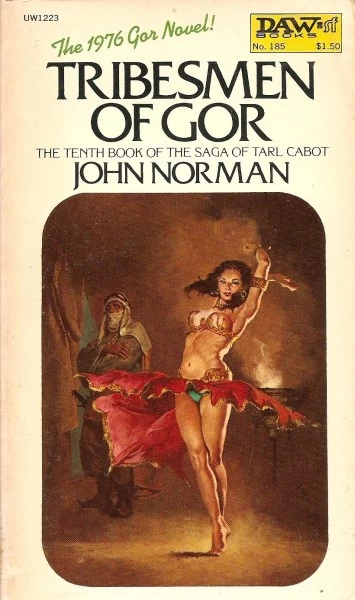
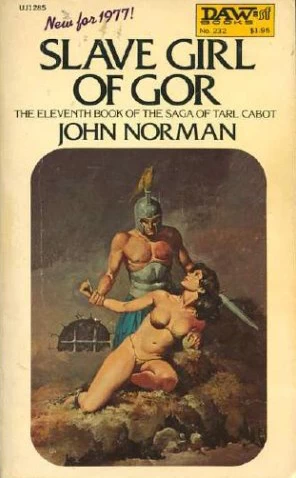
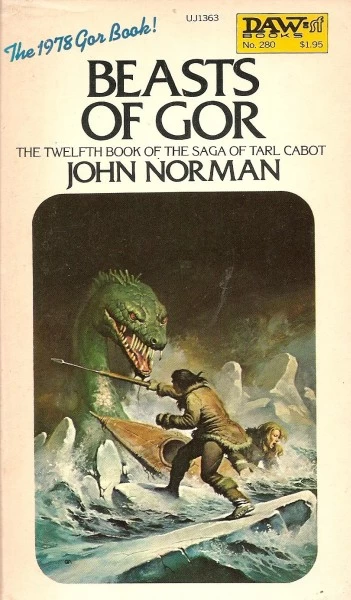
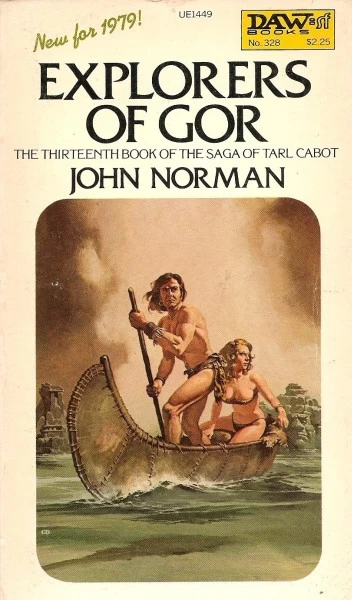
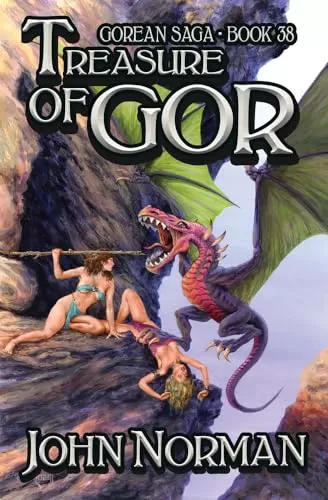
Chronicles of Gor consists of thirty-eight books and series is set to expand with the upcoming release of one more book. The current recommended reading order for the series is provided below.