Scion
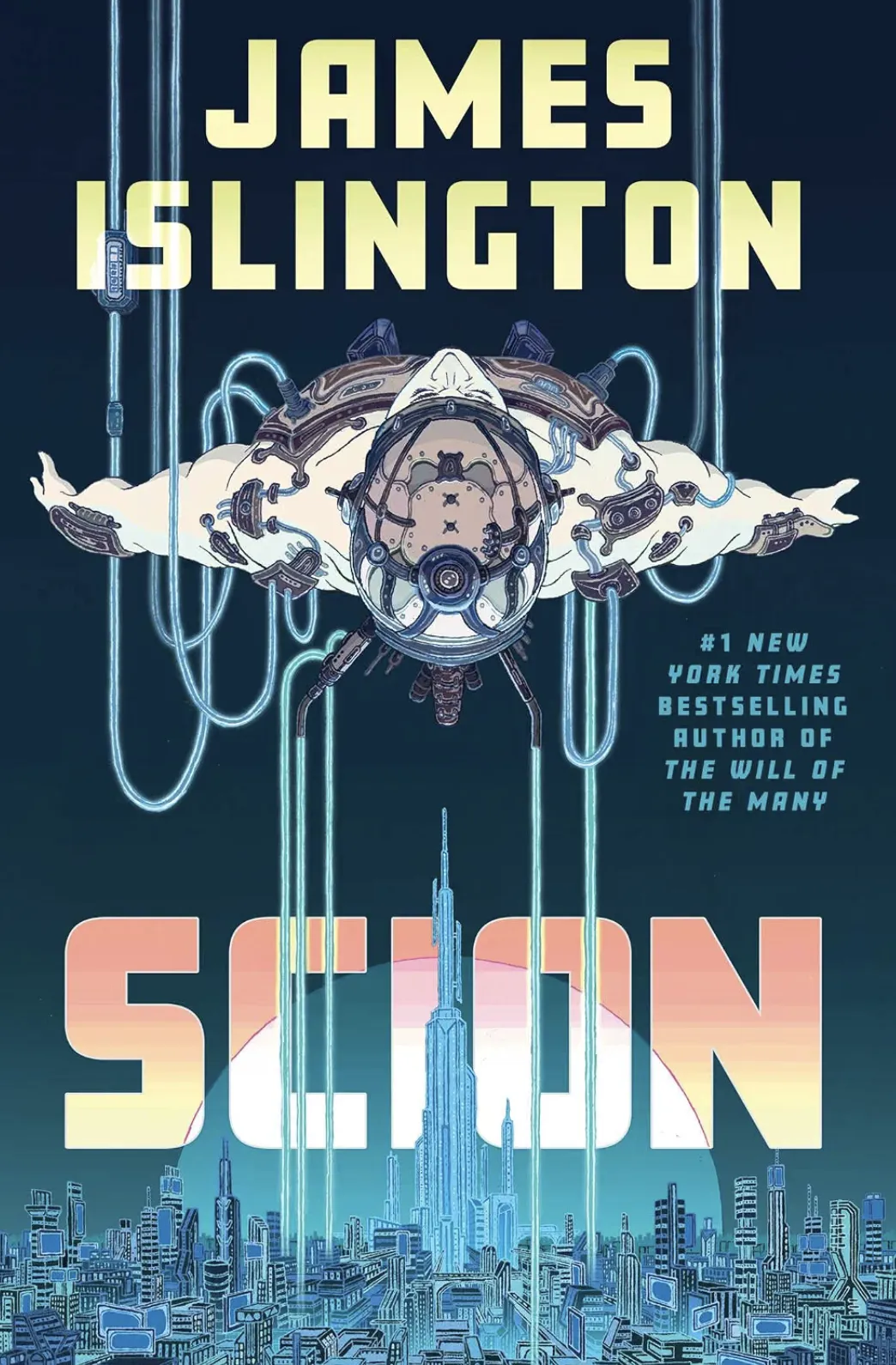
John Wick meets Ghost in the Shell in this fast-paced cyberpunk thriller by the #1 New York Times bestselling author of The Will of the Many and The Strength of the Few.
My job, when you think about it, isn’t so different from a lot of people’s.
The more old-fashioned crowd do still get hung up on the "killing people" part of it, I guess, but that’s a them problem: it’s been perfectly legal to take out lifers for ages. Besides, once ultrawealthy morons realised they had a way to live forever—limited resources be damned—there was only ever going to be one genuinely practical deterrent.
So, sure, I have to deal with a ton of boring planning. Inconvenient hours. Some pretty awkward face-to-face interactions. And like most of us, I’m really only clocking in to try to crawl out from beneath my debts. But someone’s got to do it.
Luckily, my genetic compatibilities make me really, really good at doing it.
Still. This next job...I don’t know. It’s something I haven’t had to deal with in years. Kind of the opposite of my regular duties. Strange, that it got thrown my way.
I’m sure it’ll all go totally fine though.
Readers also enjoyed





James Islington
James Islington’s work stands as a testament to the power of intricate world-building and the unyielding pull of morally complex characters. As a master of epic fantasy, he crafts stories that stretch the imagination, leaving readers questioning the very nature of fate, choice, and time itself. His debut novel, The Shadow of What Was Lost, quickly became a beloved cornerstone of modern fantasy, praised for its layered narrative and deep philosophical undercurrents.
Born and raised in Australia, Islington’s early love for speculative fiction was sparked by the works of authors like J.R.R. Tolkien and Brandon Sanderson. However, it wasn’t just these giants of the genre that influenced his writing. The complexity of time travel, alternate realities, and the tension between light and dark are themes he has explored ever since his first foray into the world of storytelling. For Islington, writing isn’t just about creating new worlds—it’s about asking the big questions: What happens when the hero must become the villain? What if choices made in the past could irrevocably alter the present?
More books by James Islington