Risingshadow
Speculative Fiction Books
  • About
    • Home
    • Articles
    • About Us
    • Contact Us
    • Privacy Policy
    • Terms of Service
    • Staff Members
    • Newsletter
    • Finnish (FI)
  • Books
    • New Releases
    • Coming Soon
    • Books of the Year
    • Bookshelves Activity
    • Recently Added
    • Advanced Search
    • Reviews / Comments
    • Genres and Tags
    • * Submit Book
  • Community
    • Discussions
    • - Recent Messages
    • - Recent Topics
    • - Hot Topics
    • - Popular Topics
    • - Search
    • CHALLENGES
    • - Reading Challenge
    • - Book Trivia Quiz
  • Home
  • Books
  • Orson Scott Card
  • Ender
  • Children of the Mind

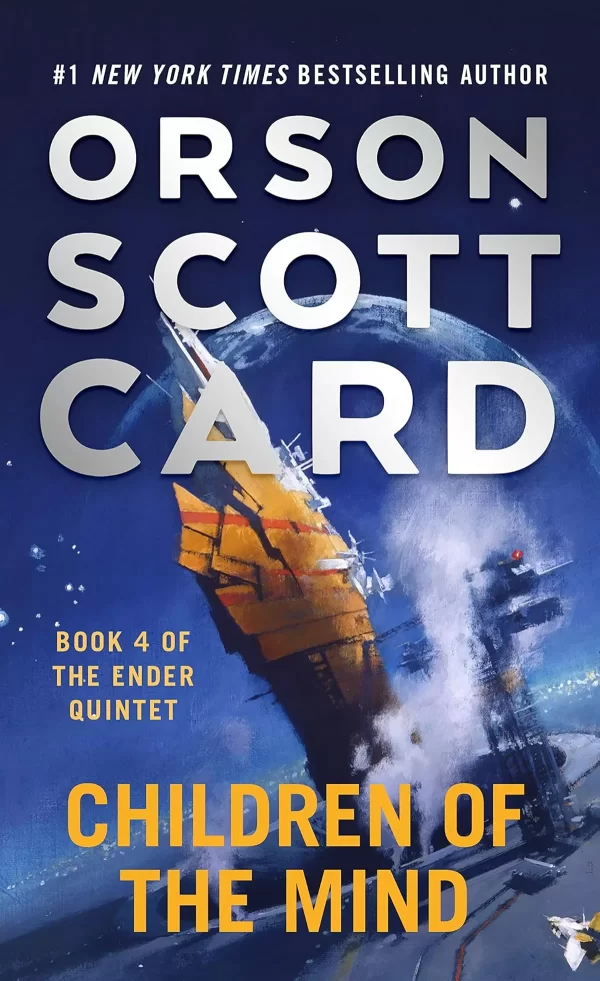
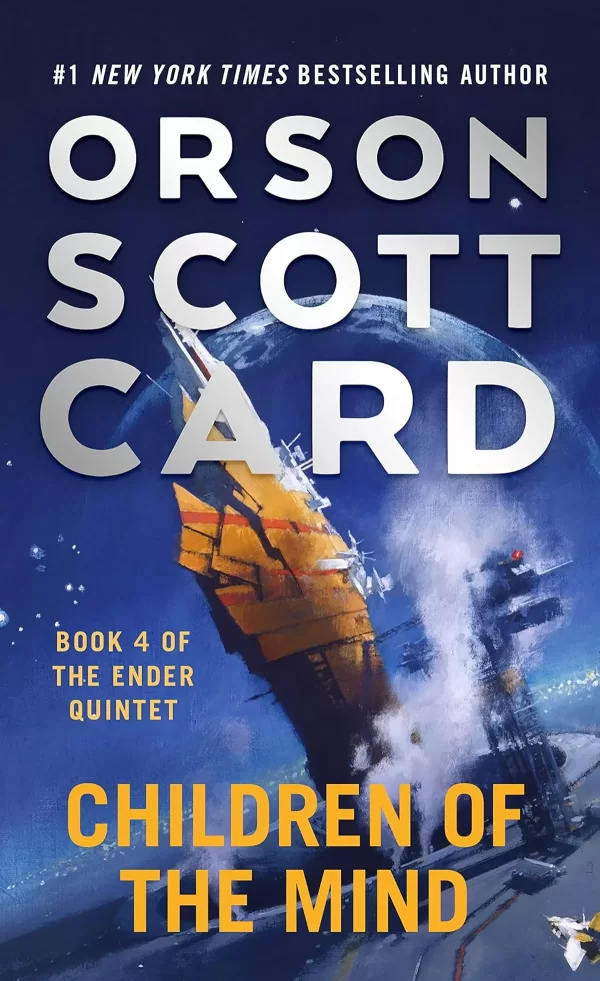
Children of the Mind

Ender #4 / 4
by Orson Scott Card
Children of the Mind (Ender #4) by Orson Scott Card
★ 7.00 / 12
12345767489110

Orson Scott Card returns at last to the story of Ender Wiggin, the child hero of the Hugo and Nebula award winner Ender's Game, who as a man found a way to redeem the Xenocide of his youth and restore the Hive Queen to life. Now his adopted world, Lusitania, is threatened by the same planet-destroying weapon that he himself used so many thousands of years before.

Lusitania is home to three sentient species: The Pequeninos, a strange race native to Lusitania; a large colony of humans; and the Hive Queen, brought there by Ender. But the Starways Congress fears Lusitania and a strange virus that it harbors, and they have gathered a fleet to destroy the planet.

Ender's oldest friend, Jane, the computer intelligence that has evolved with him over three thousand years, allowed the Starways Congress to discover her existence when she tried to stop the fleet. Now they are trying to kill her as well, by shutting down the network of computers and ansibles in which she lives. They are afraid of her and of her control over all human communications.

Jane can save the three sentient races of Lusitania. She has learned how to move ships outside the universe, and then instantly back to a different world, abolishing the light-speed limit. But it takes all the processing power available to her, and the Starways Congress is shutting down the Net world by world. Soon she will not be able to move the ships.

But there is hope: during the first trip outside, Ender's mind briefly took control and created two new beings – replicas of his brother Peter, who was the Hegemon, and his sister Valentine. These two children of Ender's mind, together with his adopted children from Lusitania, are racing against time to discover new worlds, to influence the Starways Congress to recall the fleet, and to save Jane by finding a home for her disembodied intelligence once the Human Network is closed off to her.
Amazon: Check Best Offer

Science FictionMilitary Science Fiction
Release date: 1996

Book Order
Amazon
Kindle
Audible
Amazon CA
Amazon UK
Amazon Europe

Your Rating
☆☆☆☆☆☆☆☆☆☆
Standard Shelves

Readers also enjoyed

Ender's Game (Ender #1)
★ 8.80 / 75
Old Man's War (Old Man's War #1)
★ 8.78 / 18
On Basilisk Station (Honor Harrington #1)
★ 8.72 / 11
The Vor Game (Vorkosigan)
★ 8.62 / 16
The Warrior's Apprentice (Vorkosigan)
★ 8.50 / 16
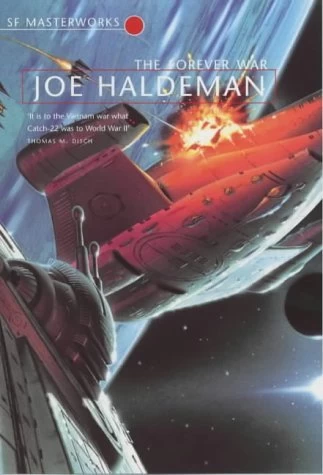
The Forever War (The Forever War series #1)
★ 8.18 / 27
Starship Troopers
★ 7.92 / 14

Join the Discussion
You can post as a guest or sign in for more features.
Have questions about this book or want to share your thoughts? Join the conversation!
Orson Scott Card

Orson Scott Card

Before Ender’s Game became required reading in classrooms and a touchstone for science fiction fans worldwide, it was just a short story—one that Orson Scott Card wrote while trying to understand how humanity might survive its own genius. That idea, born of curiosity and a deep interest in moral complexity, would eventually grow into a sprawling series exploring war, empathy, leadership, and the loneliness of brilliance.

Born in Richland, Washington in 1951 and raised mostly in Utah and California, Card grew up in a family where storytelling was a living thing—spoken, passed down, constantly evolving. Though he began his career writing plays and studying literature, he found his true voice in speculative fiction. And when he wrote Ender’s Game—and later Speaker for the Dead—he did something science fiction rarely dared at the time: he treated the genre as a tool for exploring the human soul.

Read more ...

Card’s stories often revolve around young protagonists placed in impossible moral situations—characters like Ender Wiggin, whose tactical genius hides a tortured conscience. Rather than romanticizing heroism, Card leans into the consequences of power, especially when it’s given to children. His work blends emotional depth with high-stakes storytelling, and he’s known for his skill in portraying complex interpersonal dynamics, particularly within families and communities.

He is one of the few authors to win both the Hugo and Nebula Awards two years in a row—first for Ender’s Game and then for Speaker for the Dead—an achievement that reflects both critical acclaim and cultural resonance. But even beyond the Enderverse, Card has ventured into historical fiction, fantasy (The Tales of Alvin Maker), and even religious commentary, always writing with a voice that challenges, provokes, and invites reflection.

Card’s influence in science fiction is undeniable, but his writing often resists the genre’s traditional boundaries. His characters are rarely just heroes or villains—they're people shaped by trauma, faith, and moral ambiguity. That willingness to dig beneath the surface has drawn both admiration and controversy, making his career one of the most talked-about in modern speculative fiction.

In one interview, Card remarked, “Every person is the center of their own story.” It's a philosophy that underpins much of his work—whether he's writing about a child commander in deep space or a young visionary reshaping early America. For readers willing to grapple with big questions, Card’s books don’t offer easy answers—just the kind that stay with you.

Ender

The Ender's Game Series (or Ender Series), a series of science fiction books by Orson Scott Card.

Ender consists of four primary books, and includes three additional books that complement the series but are not considered mandatory reads. The current recommended reading order for the series is provided below.

Main series Enderverse

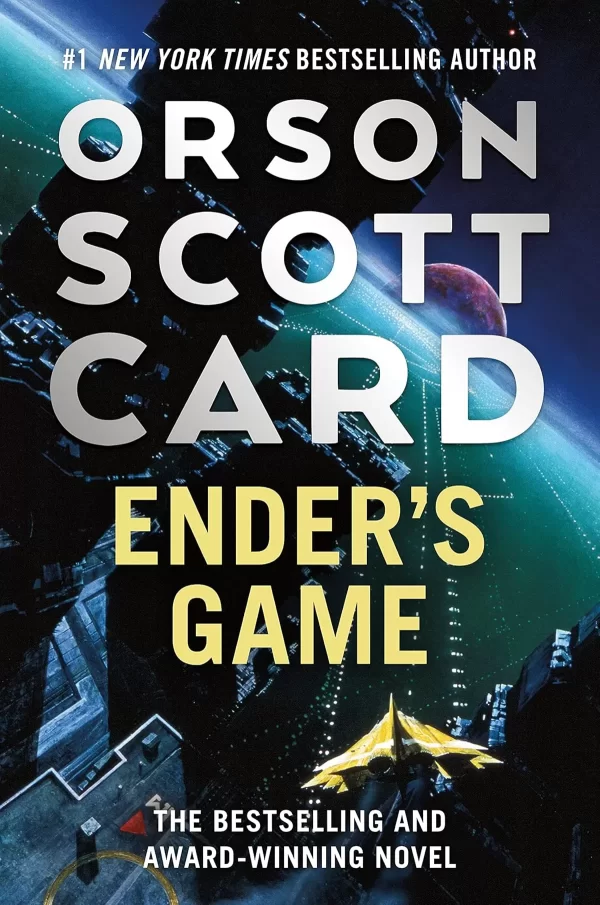
Ender's Game (Ender #1)
★ 8.80 / 75
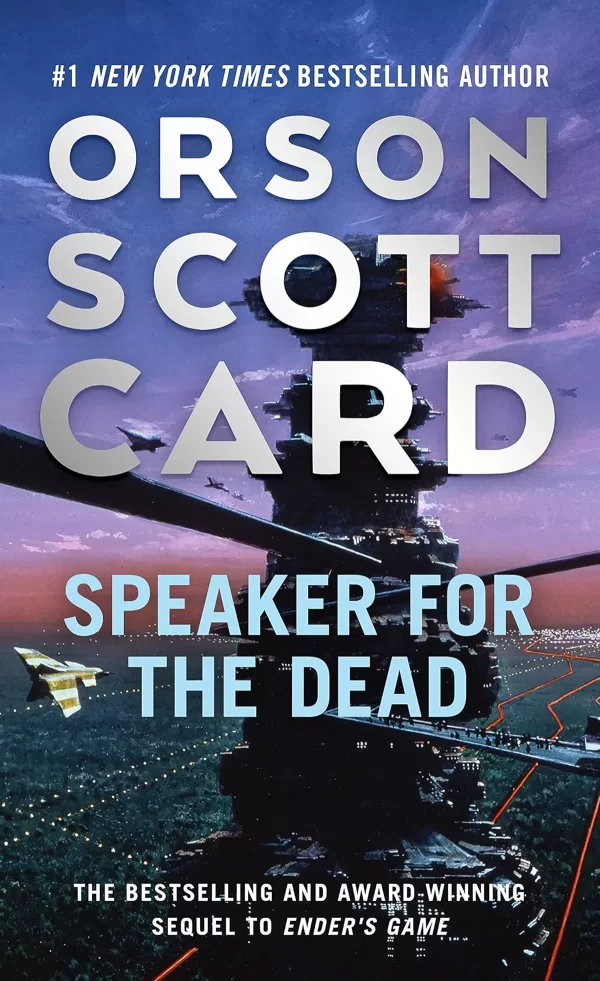
Speaker for the Dead (Ender #2)
★ 8.16 / 33
Xenocide (Ender #3)
★ 7.52 / 19
Children of the Mind (Ender #4)
★ 7.00 / 12
First Meetings (Ender)
★ 6.00 / 3
A War of Gifts (Ender)
★ 5.00 / 2
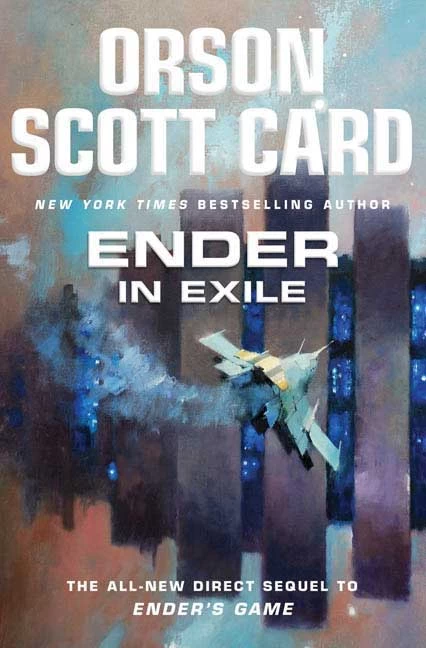
Ender in Exile (Ender)
★ 6.66 / 3


^ Top
Follow Us: Newsletter | Facebook | X | Mastodon | RSS
Hosted by Planeetta Internet Oy
© 1996 - 2026 Risingshadow. All rights reserved.
This website uses cookies to ensure you get the best experience on our website.
Privacy Policy