
Latest Book Reviews and Comments


Guaranteed joy for all BDB fans as Rhage struggles the questions of meaning and need of family.

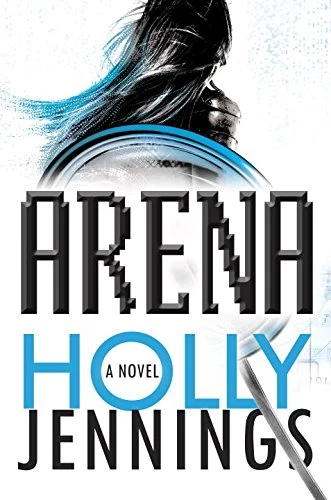
When I started this book, I had no idea what to expect. I didn't even remember signing up for the giveaway on Goodreads. I was very pleasantly surprised by this. I lked this, but had to read the first chapter twice because it was easier to understand after I knew what was going on. In this we have two different settings. One is the real world, the other is a virtual reality. There is a lot of action in this, and the author write those scenes very well.
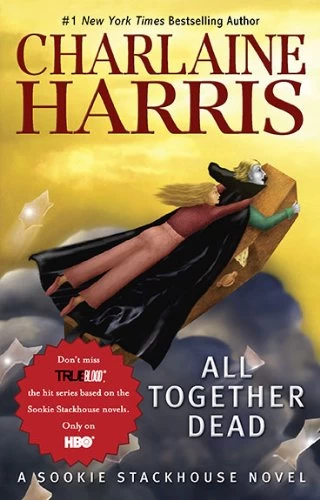
Quite ok, but not the best of Sookie.
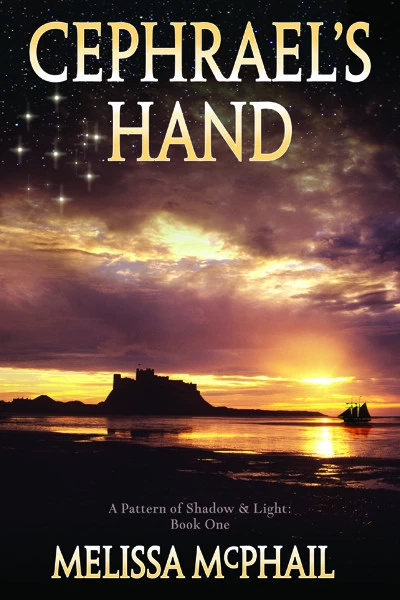
This series is not complete yet but she has written 3 books so far. The 4th book in this series is due out later in 2016 I believe. I would recommend this series to anyone. Some very intriguing characters in a great setting.
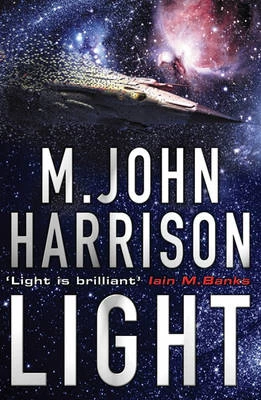
I reviewed this on www.culturecourt.com in 2003: Some deep dreams are so immersive they almost leave a musky aftertaste - the flavour of durian or absinthe, perhaps some faint odour of scorched metal or polystyrene. In those first moments of waking your dawn is tainted by their ominous afterglow. Mike Harrison's remarkable novel Light has that oneiric power, the stained light of a sustained hallucination, a glowering illumination from the night-side. Ostensibly it's an sf genre novel in galactic space-opera mode, involving star-ships, alien civilisations, hobo spacemen and multidimensional cat and dog fights. But Harrison has as much to do with the likes of old Ike Asimov as Philip Glass does to John Philip Sousa . He warps the genre through a dark worm hole into a highly personal hyperspace. Yet this book hasn't created itself from nowhere like some random fluctuation of a quantum wave function. Harrison has been experimenting with the forms and metaphors of sf since the late sixties, when he contributed fiction and criticism to Michael Moorcock's seminal magazine New Worlds, a space where writers like J.G Ballard could challenge the complacency of the genre by tackling apocalyptic themes and exploring modernist narrative techniques. Harrison's early book The Committed Men (1971) is in some ways a typical disaster-novel foray through a post-industrial Britscape of irradiated mutants but there's a very distinctive (and poetically bleak) sense of urban grotesque and horror. Characters move like damaged insects to the fractured rhythms of their memories. Short stories like Running Down (1975) embody the concept of entropy in the aberrations of an accident-prone sociopath against a wider backdrop of social - and even geological - decay, a disaster story in which the narrator himself colludes to provoke the catastrophe. Harrison has always strived to expand the stylistic horizons of speculative fiction and explore exotic zones of consciousness. During the 1980s in the Viriconium series of novellas and short stories, he created a doomed alternative world of consumptive minor aesthetes "eating gooseberries steeped in gin" , endless Byzantine intrigue, obscure but barbarous rites. "Wherever you live in the city you can see the fireworks in the dark and hear the shouts on the wind..." The language is allusive, the tone elegiac but sinister, almost Huysmanesque. Ian Miller's drawings for his graphic-novel treatment of The Luck in the Head reflect this vision of menace and melancholy. Luck by MJ Harrison Yet Harrison's writing also keeps a tight grip on consensus reality and the material world. His mainstream novel Climbers (1989) won an award for its powerful evocation of the ordeals of rock-climbing, the neural charge of vertigo and danger. And throughout the body of his work there's a drive to confront the roots of the mythopoeic urge and redefine the function of speculative fiction. "We learn to run away from fantasy and into the world, write fantasies at the heart of which by some twist lies the very thing we fantasize - against..." (The Profession of Fiction, 1989) Light deploys many standard-issue fantasy-kit devices as its raw material. In grubby dystopian modern London a mentally disturbed physicist develops the math that will eventually make interstellar travel possible. In the distant galaxies of the twenty-fifth century a young woman's body is bionically merged with a star ship. In a seedy twenty-fifth century spaceport a burned-out space pilot lets his life drift away in a virtual reality tank. Harrison also uses the narratives of popular science as a starting point. Here quantum physics (and ancient alien technologies) provide the matrix of possibilities in which these three story-lines operate, allowing faster-than-light flight, surfing the rim of a black hole, skimming the event-horizon, infinite polymorphous perversions of space and time. The quantum foam is bubbling under, every little hubbly Hole is a Whole is a Hole. And there's always more of it... Reality duplicates itself fractally, quite madly, generating torsions, distortions, reflections, refractions of itself, yourself. "You can become anything you wannabe" as we tell ourselves on the telly. It's the deep-end implications of this which Harrison explores, at an individual and at a cosmic level, transmuting his material in the process. He resists the tempting seduction of random narrative paths that fork off everywhere, whether they're the hyperfabulations of Robert Coover or the tasty worlds of Michael Moorcock where Jerry Cornelius copulates with a multiverse of mini-skirts. Harrison's three main narrative trajectories are all energised by characters with obsessive drives and haunted memories. To become what they wannabe they act; and their polyverse collapses into (pretty but often bad) shape around those choices. Michael Kearney, physicist and serial killer, has been stalked since childhood by a presence he calls the Shrander, which seems to feed on his emotional isolation and sexual dysfunction. Four hundred years down the time-line Seria Mau Genlicher has irrevocably cut herself off from her abusive childhood (and her humanity) by choosing to merge her neurobiology with her K-ship "The White Cat," which she has stolen from her employers, Earth Military Contracts. She's bought some K-tech device from the gene-splicer Uncle Zip, and despite the pretty packaging, it doesn't seem to work. And after repeated sessions in the sensory immersion tanks of New Venusport, acting out C20 film noir heroics, Ed Chianese literally can't remember who he is/was any more. The light that illumines these terminal survivors emanates from the Kefahuchi Tract, a stellar vortex of radiation and dark matter, surrounded by the wreckage of ancient civilisations that tried to penetrate its mysteries. The margins of the Tract form the Beach, where prospectors salvage exotic alien nano-technologies and artificial intelligence codes from the ruined worlds. Like Kearney playing on the beach as an infant (like Isaac Newton's famous self-description) they're half-comprehending children; and they're playing a dangerous game. The Tract eventually draws everything together, a node of psychic gravitation, like Rick's Bar in Casablanca.... That's not a totally frivolous comparison. Casablanca works as a film because of the tight integration of character development, plot structure and screen imagery; and Light works as a novel because of the poetic synergy of images and motifs that resonate between the different narrative strands. The substrate of the text is the substrate of quantum reality itself, so the traumas and ecstasies of Kearney, Seria Mau and Ed all finally wormhole into each other, but the clarity of the story always shines through. Light illuminates everything in sharp detail, whether it's the biro-drawn tattoo on the hand of the satanic Valentine Sprake, who urges Kearney on his killing sprees, or the retro-fashion genetic engineering of the twenty-fourth century. The evocation of the Shrander, which slowly emerges throughout the book in an accumulation of surreal detail is one of the most disturbing creations I've read in years, on a par with Kneale or M.R James for its construction of sheer Otherness. "It swam with the little fishes in the shadow of the willow, just as it had sorted the stones on the beach when he was two. It informed every landscape. Its attentions had begun with dreams in which he walked on the flat green surface of canal water, or felt something horrible inhabiting a pile of Lego bricks. Dragons were expressed as the smoke from engines, while the mechanical parts of the engines themselves turned over with a kind of nauseous oily slowness, and Kearney awoke to find a rubber thing soaking in the bathroom sink. The Shrander was in all of that." Shrand Light beams us into some dark spaces - the tatty rooms where Kearney and Sprake commit their atrocities, the chaotic warrens of the enslaved New Men on the corporate planets, the high vacuum where children's toys and body parts stream into the void after a K-ship skirmish. But there are also characters like Kearney's ex-wife Anna and Ed's companion Annie the Rickshaw Girl who, despite their own conflicts offer their partners some focal point beyond the solipsism of the technologically enhanced self. There are no easy redemptions or smart-weapon heroics. But there is at least an aperture to a new kind of self-knowledge, a new beginning. "Mankind will become better and more evil" claimed Nietzsche. It is to Harrison's credit that he's been able to show us what this might involve as our techno-enriched future hurtles towards us and we stand transfixed in its glare.


Agreed, Ron :-) This is a timeless masterpiece of science fiction and I’m looking forward to read all of the series. What I liked most - aside from the great story itself - was to discover that other authors kind of re-used parts of the setup and inventions later on. Very nostalgic!
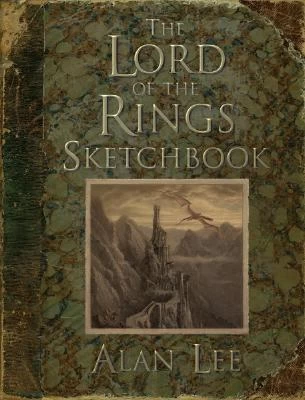
This is a fantastic book which contains not only sketches and paintings but also comments of Alan Lee. His thoughts and remarks describe the story of Lord of the Rings from a different perspective - that of transferring J.R.R. Tolkiens descriptions and his own imagination into pictures - and further, into settings for the films.

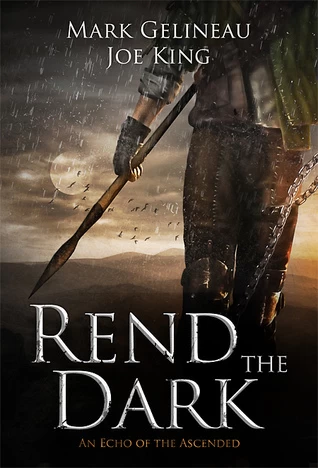
"Rend the Dark" starts off with a slightly strange prologue—and then launches into a rich, well-done tale of fantasy and horror. The magic is unique, the evil the characters face is unusual (at least in my reading experience!), and the world-building is tidily woven into the meat of the story. The characters are diverse, cleverly sculpted, and appealing in their flaws. The pace is easily intense enough to keep the reader eagerly turning the pages. Gelineau and King have produced a first-class story that fits in a little bitty space. I received a free copy of this book from the publisher through NetGalley, and I’m glad I got to read it!

Surprisingly complex story but not too hard to follow, not predictable (mostly). Aimed at young adults but great read anyway. Very well written especially as is a first time author, doesn't lose its momentum or way as first authors are more likely to do. This one surprised me.

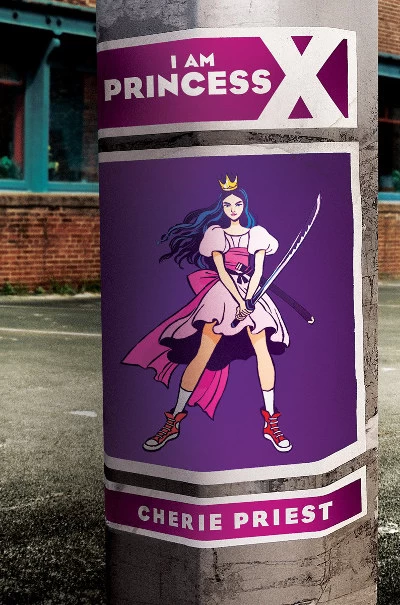
I normally don't read books like this - I don't even really know what genre "I Am Princess X" is. I don't know why this seemed an interesting book to me. But it was. In fact, this is probably one of the best non-fantasy/sf books I've ever read. It's wonderfully written, the plot is fantastic - really, as far as I'm concerned, there's nothing wrong with this book. This is SO GOOD. Oh - and there really is a site iamprincessx.com. Also, when you read this book, somewhere there'll be another reference to an internet site - you can try that one too... That's all I'm saying.
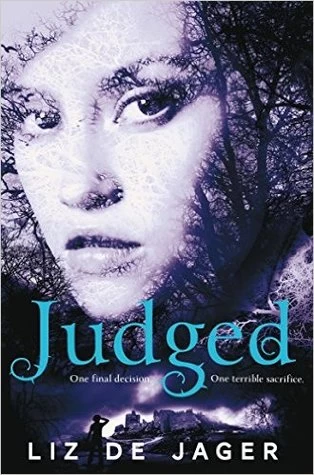
So, with "Judged", "The Blackhart Legacy" has come to an end. Such a shame this is only a trilogy. I'd been afraid for a while, because I'd read somewhere that De Jager had 'changed the ending', and I was worried that it maybe wasn't the one I'd liked it to be. Thankfully, it was. With this book, De Jager gives us another wonderful look at Kit's world, and rounds off everything that started in the other books. This series really is a must-read!
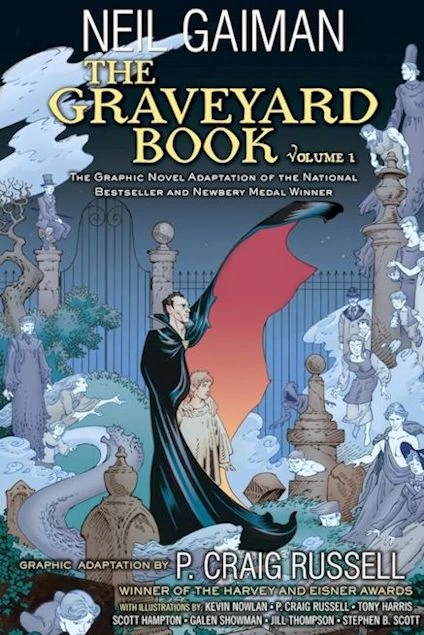
Once again Neil Gaiman has broght up a wonderful & intriguing storyline, could hardly put it aside for some sleep! ;)

What a wonderful, unique twist on fairytales! Danley weaves her own style into a retelling of familiar stories and does not disappoint. I love the brevity of her descriptions; it is a rare author that can convey so much information and emotion with so few words and still maintain such a lyrical quality. I was completely enchanted by her prose and by the story itself. Duty, treachery, love and sacrifice wind throughout a mystery that the Woodcutter must solve. He has help on his long and twisting journey, and we’re given a sizable dose of the old-fashioned magic one rarely sees outside of fairytales. Humor, setbacks, and plot twists lead to a climax and resolution that surprised and delighted me with its emotional impact. A few editing issues interrupted the otherwise smooth flow of the tale—typos, words left out, and odd chapter breaks. I hope they are cleaned up in later editions than my copy. Otherwise, I say Bravo, Kate Danley! Thank you for a truly engaging read!
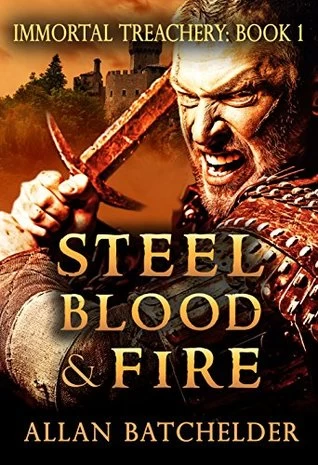
If you're a fan of Grimdark, you MUST have this book and its sequels in your library. It's reminiscent of Abercrombie, Erikson or Cook, but has a lot more humor. These are hefty books, but you'll zip through them because of how fun they are. This first book introduces us to the Reaper, a nasty warrior without equal (and the series' protagonist) who is called upon to destroy a dangerous and insane wizard. The supporting cast of characters is sublime, too!

I thoroughly enjoyed this single-point-of-view tale. It begins with the introduction of a staggering drunk as the main character—a not entirely likable character, but the reader can sympathize with him—and journeys with him to his surprising new position in the world. This advancement doesn’t come to Errol Stone easily; he has physical and emotional demons to overcome while he’s being chased by poison- and blade-toting villains. He makes some incredible faux pas, and he also does exactly the opposite. There is a lot going on his world that he doesn’t know or understand. Carr handles the mystery well, and the reader learns as Errol learns. This doesn’t prevent the revelation of several subplots that keep the action and suspense going—and the story is wonderfully complex. The end is a little shaky, but not abysmal. It didn’t keep me from moving directly on to Book 2. The intriguing epilogue definitely helped in that respect. Criticisms? There are a few typos and confusions about direction, number, and who a character is talking to — enough to make me read the passages twice, but not enough (by any means) to ruin the story. The book does have a virulent case of Comma Splicing, which I find annoying in general but, again, not enough to ruin the story. And… naming conventions are inconsistent, with some taken straight from our world, some slightly modified (Morgols, Soedes, Basqu — and Finn Maccol), and some original. What was going on there? Did I miss something? Those nit-picking concerns aside, the book is a wonderful page-turner. Clean, gore-free (in spite of fight scenes), and an all-around good read.
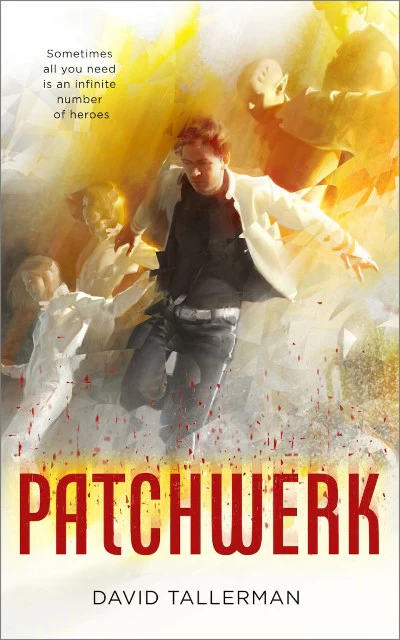
You'd be forgiven for thinking that Patchwerk is a superhero story - the tagline on the front, and the very striking cover both sort of point that way. It isn't that, but it is a fast-paced, entertaining romp through a short space of time and a vast number of parallel realities. Patchwerk is reminiscent of such lost classics as Heinlein's North By Northwest, or Hitchcock's Number of the Beast – a Maguffin, a villain, a girl, and one long chase sequence that forms the core of the multiversal narrative. Tallerman clearly has great fun flinging his characters through different iterations of peril, each version wildly different to the last. The idea itself is well suited to the novella format, and even so there's a wealth of throwaway lines that could be expanded on - combat zoologists! Flechette insects! If there's one stumbling block for me it's that the protagonist Florrian does tend to break into thought at the drop of an action, threatening to derail the pace in one or two places, but in all, this version of David Tallerman is much sparkier and more fun to read. (Received via Netgalley)
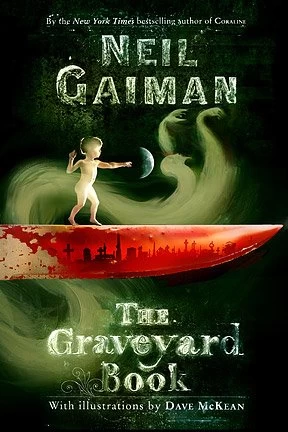
The Graveyard Book, set in the graveyard in “Old Town” (somewhere in England) is a story about Bod, an unusual boy living in an unusual place and under truly unusual circumstances. When tragedy strikes his family, Bod is adopted by the denizens of the cemetery and guarded by a man known only as Silas. While he grows he is taught by ghosts from every century, by Silas, and by Miss Lupescu (a werewolf). The tales of his adventures combine a wonderful sense of humor with shades of creepiness and a dash of magic. The assassin that killed Bod’s family was supposed to kill him, too. His failure haunts him and he continues to hunt the boy. In the end, Bod faces the killer—but not without cost. The end is bittersweet, but well crafted and fitting, even full of hope for Bod’s strange future. More suitable for tweens and teens, The Graveyard Book has its dark moments and some violence. It is the winner of the British Carnegie Medal and the American Newbery Medal. As an adult, I found it occasionally dark, occasionally sad, and frequently heart-warming.
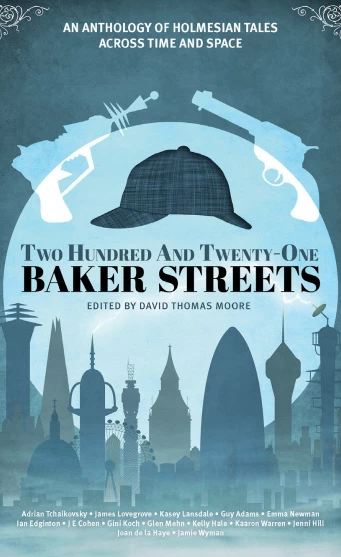
It really is a shame that this anthology didn't contain Two Hundred and Twenty-One stories; I would have liked to read on and on because most of the stories were so inventive, creepy, peculiar and - above all - written with loving details. It wasn't much important which case Holmes and Watson had to investigate (although the cases too were sometimes quite weird), it was the surrounding what mattered. Also quite cheerful and genial were the comments of Mr Moore at the beginning of each new chapter which point the reader in the right direction already without telling too much. I hope that Mr Moore will go on with a search for authors who have already written or intend to write more of such stories. I'd love to continue reading!
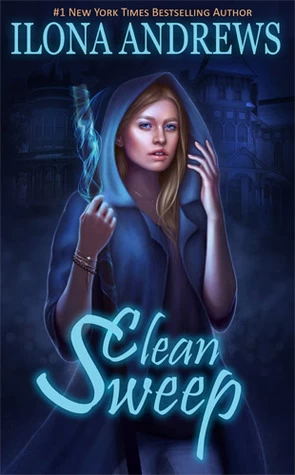
Reviewing The Innkeeper Chronicles 1&2. I heard about the Innkeeper Chronicles when Ilona Andrews was publishing the chapters one by one as a serial on her website. I'm not very good at following serials, so I did not start reading then but rather waited until they were done and published the serial, and later the sequel. It was very much worth the wait. I don't think I've ever read a book from Ilona Andrews that I did not like at all. There's been some that I didn't really fall for like the new hot&heavy sorcerer romance Burn For Me. Clean Sweep and Sweep in Peace were both excellent and I couldn't make them better if I tried. Clean Sweep introduces us to a new world but in a series that will at some point (fine, fine... in Sweep in Peace) tie into Andrews' series The Edge. The characters are fresh, interesting and alien... literally. I love that the different alien races in the series are also described as looking very different from normal humans. And they are clearly from cultures that do not share much with humans - and those clashes and fun and scary. Sweep in Peace takes what Clean Sweep created and emphasizes the strong points of the heroine Dina DeMille; her integrity, pride and extreme down-to-earth practical mindset are impressive and help take the story forward. The sequel surprised me with the emotional baggage the feelings that I got from it. Without the lighter parts and humor in it, it would have been much heavier read, and even as it is it left me in deep thoughts and misty eyes - unexpected, but not unwelcome. Without giving away more, I would urge any fans of Andrews, magical inns, clever heroines and an action fantasy that doesn't focus on romance to get their hands on these!
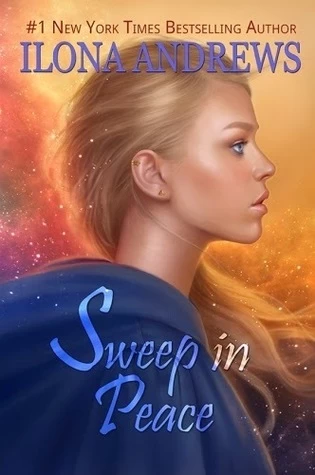
Reviewing The Innkeeper Chronicles 1&2. I heard about the Innkeeper Chronicles when Ilona Andrews was publishing the chapters one by one as a serial on her website. I'm not very good at following serials, so I did not start reading then but rather waited until they were done and published the serial, and later the sequel. It was very much worth the wait. I don't think I've ever read a book from Ilona Andrews that I did not like at all. There's been some that I didn't really fall for like the new hot&heavy sorcerer romance Burn For Me. Clean Sweep and Sweep in Peace were both excellent and I couldn't make them better if I tried. Clean Sweep introduces us to a new world but in a series that will at some point (fine, fine... in Sweep in Peace) tie into Andrews' series The Edge. The characters are fresh, interesting and alien... literally. I love that the different alien races in the series are also described as looking very different from normal humans. And they are clearly from cultures that do not share much with humans - and those clashes and fun and scary. Sweep in Peace takes what Clean Sweep created and emphasizes the strong points of the heroine Dina DeMille; her integrity, pride and extreme down-to-earth practical mindset are impressive and help take the story forward. The sequel surprised me with the emotional baggage the feelings that I got from it. Without the lighter parts and humor in it, it would have been much heavier read, and even as it is it left me in deep thoughts and misty eyes - unexpected, but not unwelcome. Without giving away more, I would urge any fans of Andrews, magical inns, clever heroines and an action fantasy that doesn't focus on romance to get their hands on these!
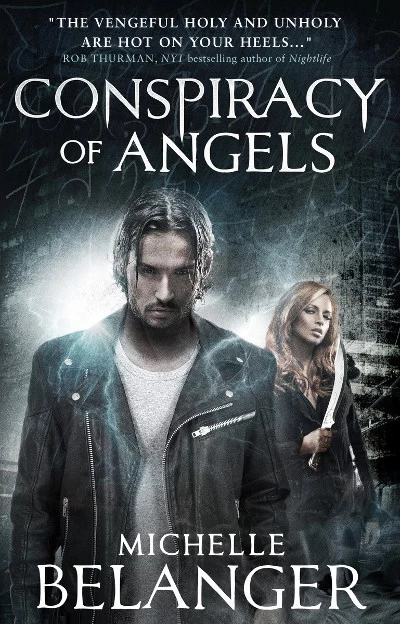
I'm usually into these kind of books with main (male) character being the sexy badass, but there was just something missing. The plot was fast paced, all with action, but never really stopped to take a breath, so you were waiting for something "totally awesome" to happen - and it never did.

I have to confess, this short story was not nearly as impressive as the other Robin Hobb works I’ve read. I wanted to love it, but I never felt personally involved in the story. It is told as a narrative—a written record—of the truth of King Charger’s life. It involves much telling and very little showing. Far too much of the story took the form of “some would say… but…” Yes, and the former became history. I like the idea of it, but I very much missed becoming invested in any of the characters. The format leaves a vast gulf between reader and characters. Still… Hobb writes with her typically compelling and intelligent style. The politics are clever and frustrating (as all politics are!). The story of how the Witted were so thoroughly discredited is compelling, believable, and heart-breaking. “The Willful Princess and the Piebald Prince” makes for an interesting tasty historical tidbit.

Eric Northman with amnesia; what is there not to love? :P

The end of the "Lunar Chronicles" has come: "Winter". 823 pages of pure, absolute bliss. I already gave "Cress" five stars in the rating, so I couldn't go for more with "Winter", but the book definitely deserves that. There is really only a very small part which I thought wasn't as good as the others, but the rest was practically perfect. (I don't think there really exists a 'perfect' book, but this one comes close.) Meyer spins a wonderful tale of war, love, friendship, action and so much more. This truly is one for your must-read list!