About the Book
Locus Award nominee 1999.
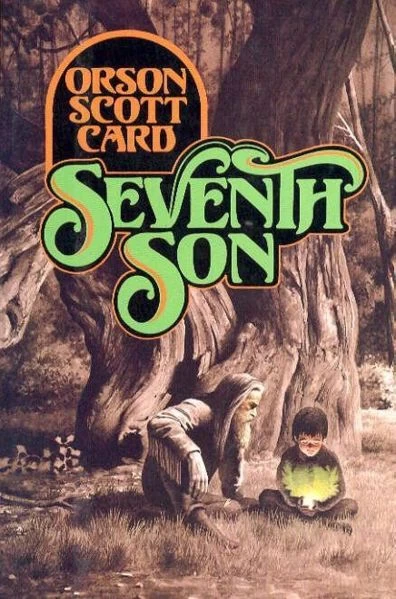
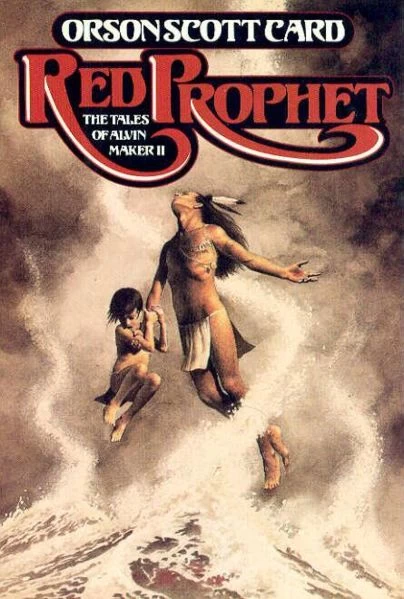
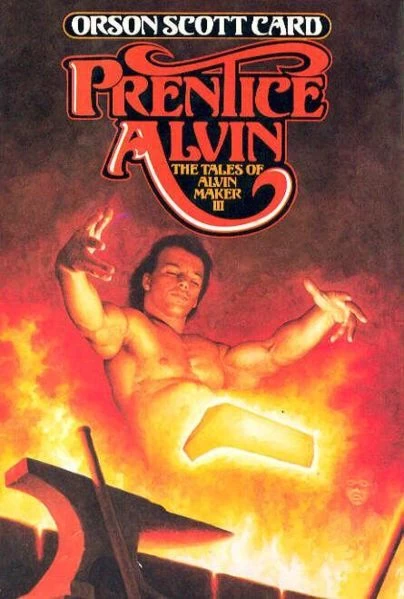
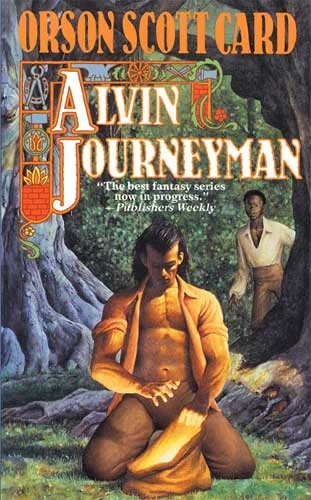
Using the lore of the folk magic of the men and women who settled the North American continent, Card has created an alternate world in which that magic really works and has colored the entire history of the colonies. Charms and beseechings, hexes and potions, all have a place in the lives of the people of this world. "Knacks" abound: dowsers find water, those with the second sight warn of dangers to come, and a Torch can read the heart of anyone. And Alvin, the seventh son of a seventh son, is a very special man indeed.
Peggy Guester is a Torch, able to see the fire burning in each person's heart. Her power is so great that she can follow the paths of each person's future and know their most intimate secrets. From the moment of Alvin's birth, when the Unmaker first strove to kill him, he has been protected by her. Now they are married, and Peggy is a part of Alvin's heart as well as his life.
But the achievement of Alvin's destiny, and the building of the Crystal City he has foreseen, have taken Alvin and Peggy on separate journeys. He has gone north into New England, where knacks are considered witchcraft and their use is punished with death. But despite the risk, Alvin believes that there is someone in New England who knows where his city is to be built.
Peggy, though, has been drawn south, to the British Crown Colonies and the court of King Arthur Stuart in exile. For she has seen a terrible future bloom in the heartfires of every person in America – a future of war and destruction. One slender path exists that leads through the bloodshed, and it is Peggy's quest to set the world on that path to peace. To achieve it, she must gain the ear of the King himself.
But Alvin's youngest brother, Calvin, has also come to the Court of Camelot, with his great but perverted powers. Peggy's life is at risk, and she has no reason to believe that Calvin will do anything but place her in greater danger.